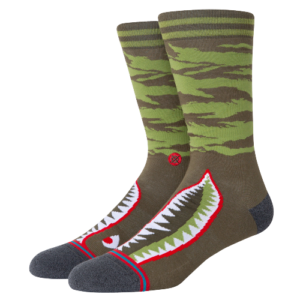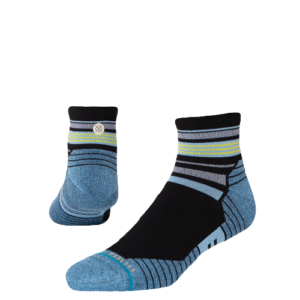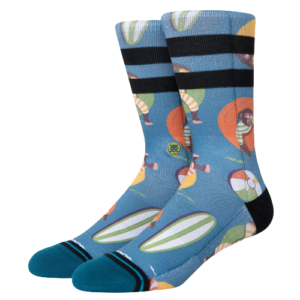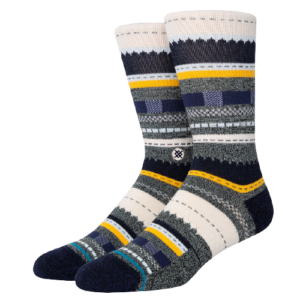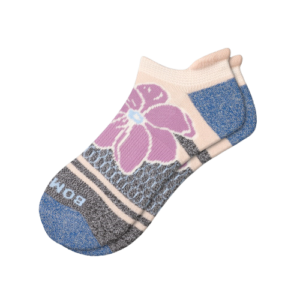

In the socks and stockings industry, a well-prepared tech pack is the bridge between design and manufacturing. Without it, miscommunication can lead to wrong sizes, poor material selection, or costly production delays. Many first-time buyers underestimate how critical a precise tech pack is to ensure a factory delivers exactly what they envisioned.
A tech pack is the blueprint for your socks. It specifies every detail—size, fabric, colors, patterns, labeling, packaging—so there’s no guesswork during production. Whether you’re launching a new sock line or developing custom designs for your brand, having a thorough tech pack ensures accuracy, consistency, and smoother communication with suppliers.
At GlobalSock, we’ve seen how a strong tech pack can save weeks of back-and-forth and thousands in rework costs. Now, let’s walk through the key steps in creating one for your sock designs so you can work more efficiently with your manufacturer.
Key Elements to Include in a Sock Tech Pack
A sock tech pack contains multiple components that serve as instructions for the factory. Each section must be clear, consistent, and easy to understand. The aim is to remove ambiguity and ensure the final product matches your design vision.

What Measurements Should Be in a Sock Tech Pack?
A comprehensive sock tech pack must list detailed measurements for each size you plan to produce. This includes length from heel to toe, cuff height, leg width, heel pocket depth, and toe box dimensions. You should also indicate the stretch range for elastic areas. Resources like the Sock Size Chart Guide can help standardize measurements across markets. Without accurate sizing data, production errors can lead to ill-fitting socks and high return rates.
Another critical element is tolerance—the acceptable measurement variation during production. For instance, a cuff height of 20cm may allow ±0.5cm. Clearly stating tolerances ensures that even with small deviations, your product remains within quality standards, as recommended by Quality Inspection.org.
How to Specify Materials and Yarn Types?
In the materials section, list each yarn type, blend ratio, and quality grade. For example: “80% combed cotton, 15% nylon, 5% spandex, 32s yarn count.” If using functional textiles like bamboo or merino wool, specify certification requirements such as OEKO-TEX® or GRS. Linking to suppliers or examples like Textile Exchange Standards helps factories source exactly what you need.
You should also define the fabric weight (GSM) and knitting gauge, as these affect comfort, stretch, and durability. If special finishes (antibacterial, moisture-wicking) are required, describe the treatment process and testing standards, ensuring alignment with industry expectations from sources like SGS.
Creating Visual References for Sock Manufacturers
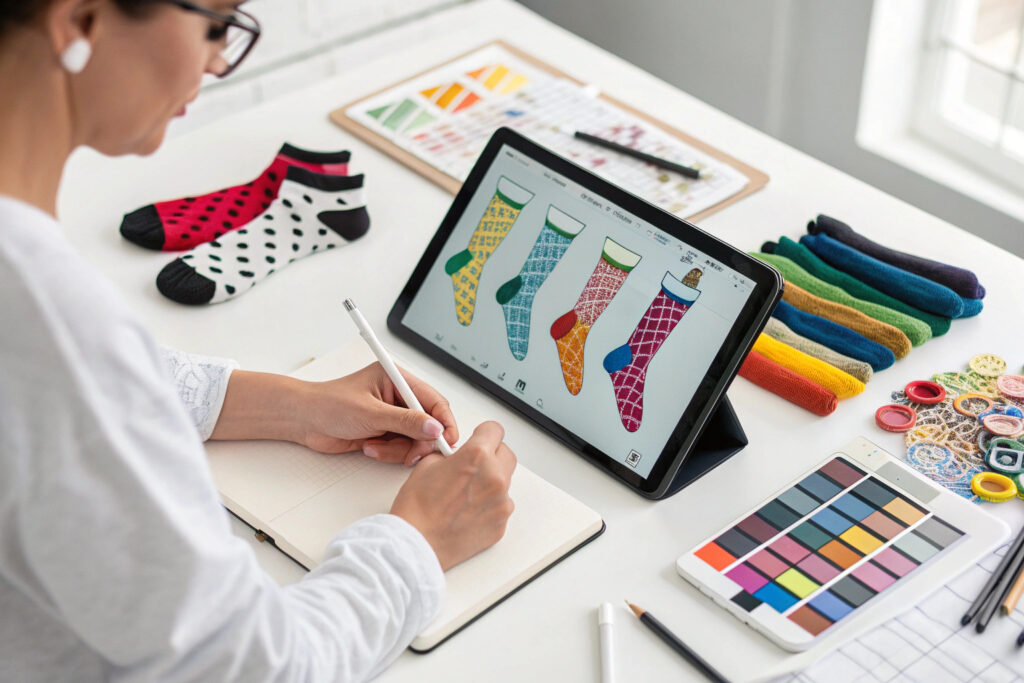
Visuals make a tech pack more intuitive, especially for complex sock patterns or jacquard knitting designs. Factories rely heavily on clear visual references to interpret your design correctly.
What Digital Files Should Be Included?
You should provide both 2D CAD drawings and, if possible, 3D mockups to give a realistic view of the final product. Platforms like Adobe Illustrator are industry standards for creating vector sock designs, while tools like CLO3D can help with 3D visualization.
Each visual should be labeled with color codes (Pantone preferred), stitch type, and graphic placement. For example: “Pantone 186C for cuff stripe, flat knit structure for leg, terry cushion on sole.” This level of detail prevents errors during knitting setup. Factories often match visuals against physical prototypes to ensure complete alignment before production starts.
How to Present Color and Pattern Details?
Include a colorway sheet showing all possible variations. If your design includes complex patterns, provide a repeat pattern tile file so the knitting machine can replicate it accurately. The Pantone Color Finder can standardize your color references.
For patterns like stripes, argyle, or polka dots, indicate the exact size and spacing. Use scale diagrams to avoid misunderstandings about proportion, as even a small difference in stripe width can alter the product’s aesthetic appeal.
Specifying Labeling, Branding, and Packaging
Brand presentation extends beyond the sock itself—labeling and packaging play a key role in customer experience and retail appeal.

How to Include Branding Guidelines?
In your tech pack, dedicate a section to branding. This should include logo placement, label size, font type, and print method (e.g., woven label, heat transfer). Referencing standards from AIGA Design Guidelines can help maintain brand consistency across products.
You should also specify legal requirements, such as fiber content labels, care instructions, and country of origin markings. Compliance with regulations like the FTC Textile Labeling Rules is essential to avoid customs issues or legal penalties.
What Packaging Specifications Should Be Added?
Detail the packaging type—polybag, kraft box, paper sleeve—and dimensions. Specify material type (e.g., 100% recycled paper) if sustainability is a priority. You can also link to eco-packaging resources like Sustainable Packaging Coalition.
Indicate if socks should be folded, rolled, or laid flat, and how many pairs per package. This ensures efficiency in packing lines and consistency in retail display.
Communicating with Your Sock Manufacturer
Even the most detailed tech pack requires active communication to ensure success in production.

How to Review the Tech Pack Before Production?
Always request a pre-production sample before bulk manufacturing. This allows you to confirm every detail from the tech pack has been executed correctly. Guides like American Apparel & Footwear Association’s QA Standards can help set review protocols.
Mark up any necessary changes directly on the sample or in the PDF tech pack file, and have the factory acknowledge these changes in writing. This step avoids costly rework later.
What Is the Best Way to Maintain Ongoing Communication?
Establish a clear communication channel—email, project management platform, or instant messaging—for quick feedback. Using platforms like Trello or Asana helps keep all updates centralized.
Schedule regular check-ins during key production stages—knitting setup, dyeing, packaging—to catch and resolve issues early. Building a strong working relationship with your manufacturer improves trust and long-term quality consistency.
Conclusion
A sock tech pack is not just a document—it’s your production guarantee. By detailing measurements, materials, visuals, branding, and packaging, you ensure that your vision is translated accurately into the final product. Strong communication with your manufacturer further reduces risks and increases efficiency.
If you’re looking to develop your own custom sock line with expert guidance and precise production, Shanghai Fumao’s GlobalSock team can bring your designs to life. Contact our Business Director Elaine at elaine@fumaoclothing.com to start your project today.