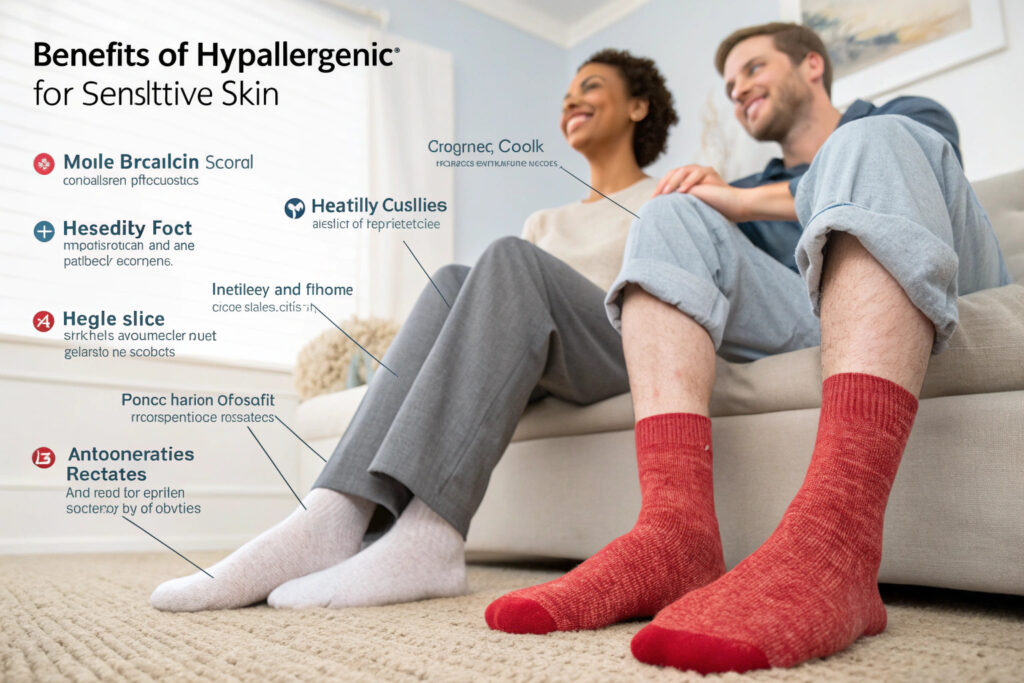
Living with eczema can feel like a constant battle, especially when your clothing irritates your sensitive skin. If you’ve ever experienced itching, redness, or a flare-up from your socks, you know how frustrating it can be. This is a common problem, but the solution lies not in enduring the discomfort, but in choosing the right materials and construction. As a socks manufacturer with over a decade of experience, we’ve helped countless clients develop products that are gentle on sensitive skin.
For individuals with eczema, the best socks are those made from natural, breathable, and hypoallergenic materials like organic cotton, bamboo viscose, and merino wool. These fabrics are free from harsh chemicals and dyes, are exceptionally soft to minimize friction, and possess natural temperature-regulating and moisture-wicking properties that keep the skin dry and comfortable, preventing the irritation that can trigger eczema flare-ups.
Choosing the right socks is a critical step in managing foot comfort and skin health. The wrong choice can lead to a cycle of itching and irritation. Let’s explore the specific features and materials that make certain socks a superior choice for eczema-prone skin, ensuring your feet stay soothed and protected all day long.
What fabrics are hypoallergenic for socks?
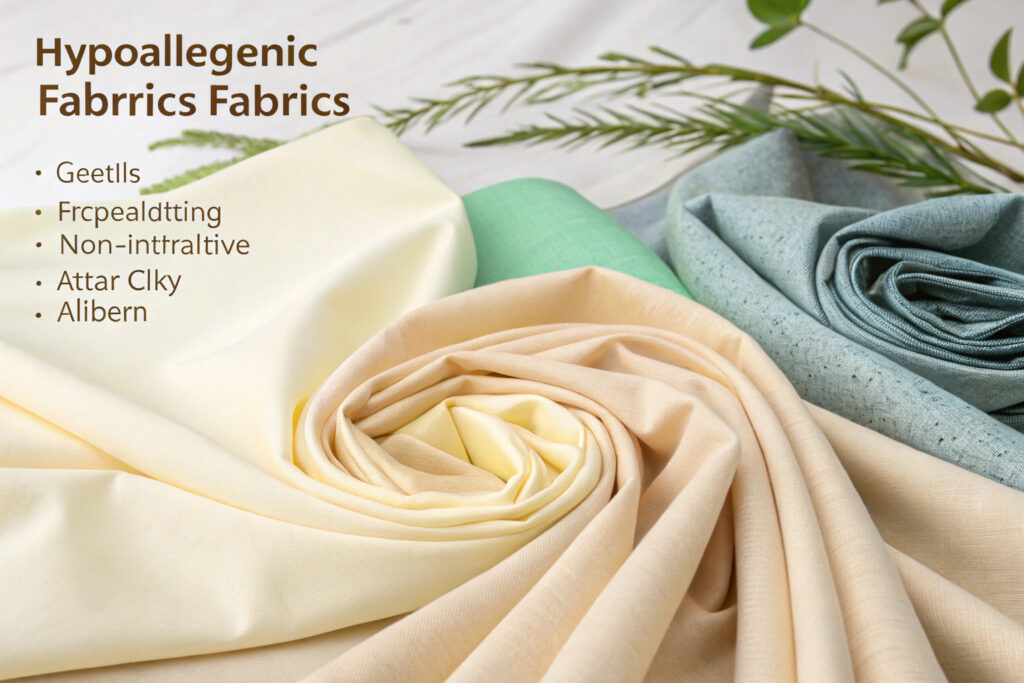
When your skin is sensitive, every thread matters. Hypoallergenic fabrics are specifically chosen for their gentle, non-irritating properties. They are typically free from toxic chemicals, pesticides, and abrasive fibers that can trigger allergic reactions or eczema. Understanding the origin and processing of these materials is key to making an informed decision for your skin health.
Hypoallergenic fabrics for socks include organic cotton, bamboo viscose, and merino wool. These materials are celebrated for their natural origins and minimal processing. Organic cotton is grown without pesticides, bamboo is naturally antibacterial and soft, and merino wool has fine, itch-free fibers that manage moisture effectively. They avoid the harsh chemical residues often found in conventional textile production, making them safe for direct contact with eczema-prone skin.
Why are natural fibers superior for sensitive skin?
Natural fibers like organic cotton and bamboo possess inherent qualities that synthetic materials often lack. Their molecular structure allows them to be breathable and highly absorbent. This means they can pull moisture away from the skin, a critical factor since dampness can exacerbate eczema. Furthermore, these fibers are typically smoother and less abrasive, reducing the friction that can lead to chafing and irritation. For instance, bamboo viscose has a round, smooth cross-section that feels silky against the skin. Our company prioritizes sourcing GOTS-certified organic cotton to ensure that from field to fabric, the material remains pure and free from skin-aggravating substances, providing a safe and comfortable barrier for your feet.
How does material processing affect skin health?
The journey from raw material to finished fabric is just as important as the material itself. Conventional textile processing can involve heavy metals, formaldehyde, and allergenic dyes. Hypoallergenic socks use low-impact dyes and OEKO-TEX certified finishing processes, which guarantee the final product is free from harmful levels of over 100 regulated substances. In our CNAS-accredited lab, we rigorously test for pH levels and colorfastness to ensure no harmful chemicals leach onto the skin. This diligent approach to processing, which you can learn more about through the American Academy of Dermatology’s guidelines on clothing and eczema, is what transforms a natural fiber into a truly skin-friendly fabric, ensuring the socks are not only made from safe materials but are also finished with the same care.
How to choose socks that prevent irritation?
Selecting the right socks goes beyond just the material on the label. It involves a holistic look at the sock’s construction, fit, and additional features. A sock can be made from the finest organic bamboo, but if it has a bulky seam or is too tight, it can still cause problems. The goal is to find a sock that acts as a protective, second skin.
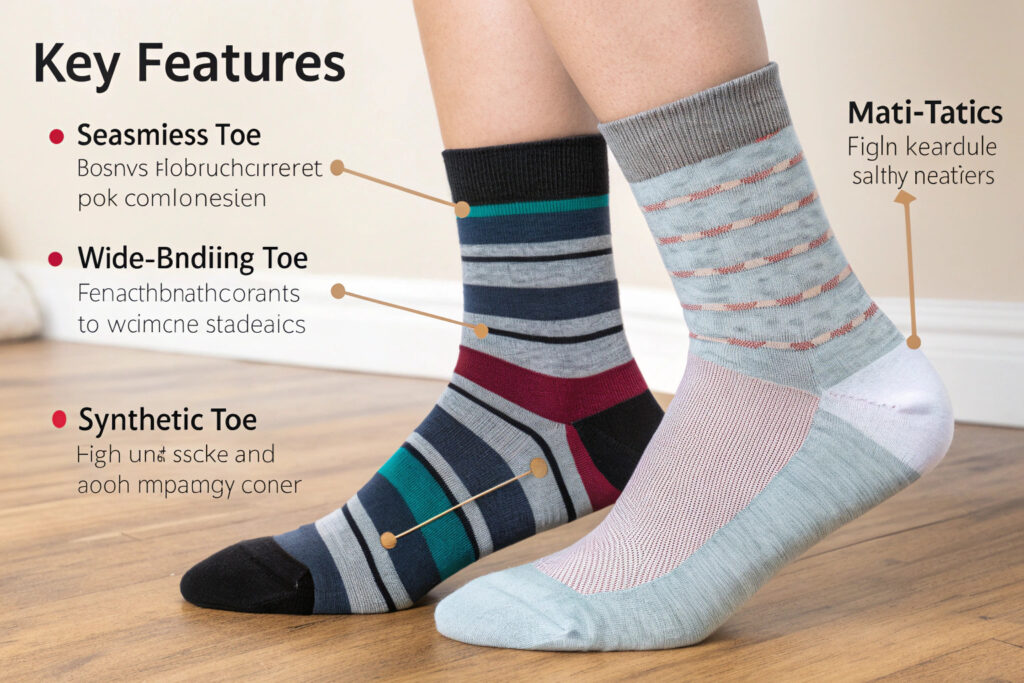
To choose socks that prevent irritation, focus on three key aspects: seamless toe construction, a non-binding fit, and the absence of tight elastics. Seamless toes eliminate rubbing points, a proper fit ensures the sock doesn’t constrict circulation or bunch up, and soft, wide bands prevent marks on the skin. Always look for socks labeled as "tagless" and made with minimal synthetic content to maximize comfort and minimize potential triggers.
What construction details minimize friction?
The physical construction of a sock is a major factor in preventing friction. The most critical detail is the toe seam. A traditional seam can bunch up and rub against the toes, causing significant irritation. Instead, look for socks with seamless toe closure, where the sock is knitted in a continuous tube, creating a smooth interior. Additionally, a reinforced heel and toe that are woven-in rather than added as a separate, thicker piece of fabric can provide durability without compromising on smoothness. We integrate these features into our own designs, ensuring that every pair we produce for clients with sensitive skin portfolios prioritizes a friction-free experience from the second it’s put on.
Why is the right fit crucial for eczema management?
A sock that is too tight can trap sweat and restrict blood flow, while a sock that is too loose can wrinkle and create friction points. The right fit is snug but not constricting, allowing for air circulation and natural movement. Pay close attention to the cuff; a wide, soft top that stays up without digging in is essential. This is particularly important for compression socks, where medical-grade graduated compression is designed to be therapeutic without being harmful. For our clients, we offer a range of sizes and can customize the fit to ensure the sock complements the foot’s shape, providing comfort and protection without any aggressive pressure points.
What are the benefits of bamboo socks for eczema?
Bamboo viscose has emerged as a superstar in the world of sensitive skin apparel, and for good reason. The fiber derived from bamboo grass undergoes a process that creates a fabric with a unique combination of properties that are almost tailor-made for managing eczema. It’s not just a trendy material; it’s a functionally superior one for those seeking relief.
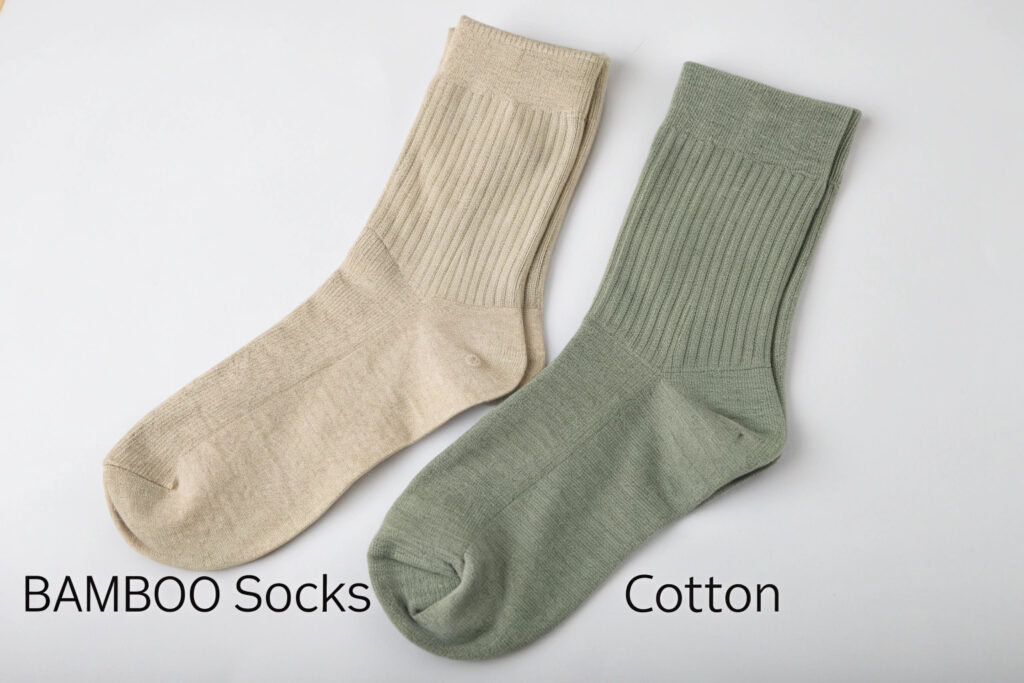
The benefits of bamboo socks for eczema are extensive, primarily due to the fabric’s natural breathability, moisture-wicking ability, and inherent softness. Bamboo fibers contain microscopic gaps that enhance ventilation and absorb moisture more effectively than cotton, keeping the skin dry. Additionally, it is naturally thermo-regulating and contains a bio-agent called "bamboo kun" that provides antibacterial and odor-resistant properties, reducing the risk of infections in broken skin.
How does bamboo material keep skin dry and healthy?
Bamboo viscose is highly absorbent, capable of pulling moisture away from the skin much faster than cotton. This quick-drying characteristic is vital because prolonged dampness softens the skin and makes it more vulnerable to cracking and irritation. By efficiently moving sweat away from the foot, bamboo socks maintain a drier microclimate, which is less conducive to the itching and discomfort associated with eczema. This moisture management is a core feature we test for in our lab, ensuring our bamboo socks meet high performance standards for moisture-wicking and breathability, providing a tangible health benefit for the wearer.
Are bamboo socks truly eco-friendly and safe?
Yes, when sourced responsibly. Bamboo is a rapidly renewable resource that requires no pesticides and little water to grow. The manufacturing process to create viscose can be chemical-intensive, but many manufacturers, including our own partners, now use a closed-loop system that recycles almost all water and solvents. We ensure our bamboo fabrics are OEKO-TEX Standard 100 certified, verifying they are free from harmful substances. This commitment to safety and sustainability means you are not only choosing a sock that is good for your skin but also one that aligns with a lower environmental impact, a principle we uphold across our eco-friendly product lines.
How to verify sock quality and safety standards?
Trusting a label that says "for sensitive skin" is not enough. As an informed consumer or a business buyer, you need to look for independent verification. Certifications from globally recognized organizations provide the proof that a product has been tested and meets stringent safety and quality benchmarks. This is your assurance that the claims are real.
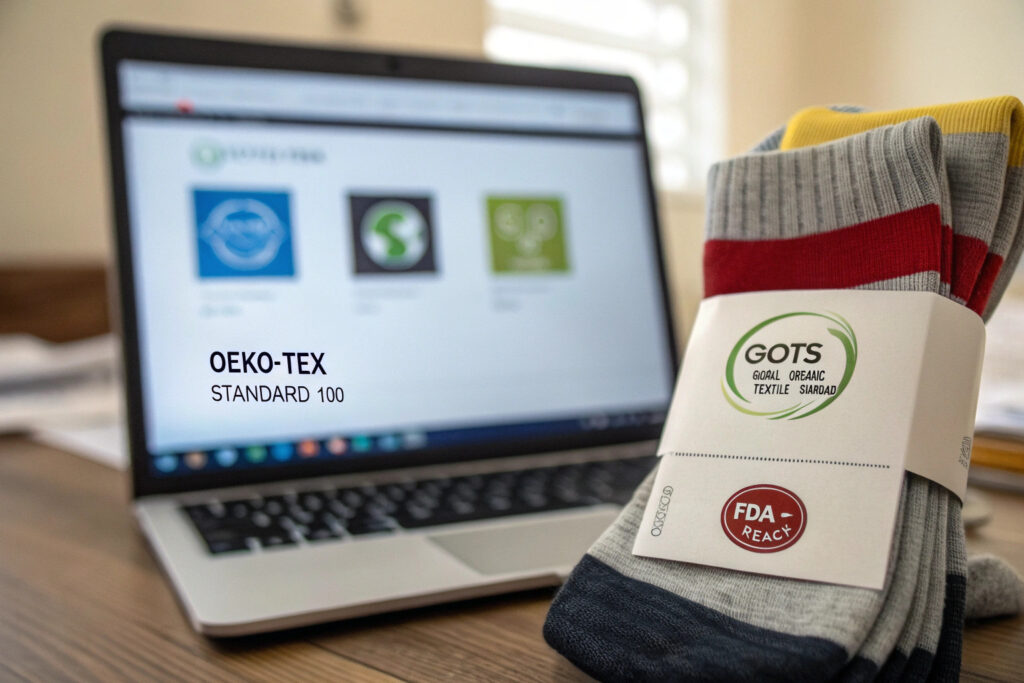
You can verify sock quality and safety by checking for specific certifications on the packaging or the manufacturer’s website. The most important ones to look for are OEKO-TEX Standard 100, which tests for harmful substances; GOTS (Global Organic Textile Standard) for organic fibers; and FDA recognition for medical-grade claims. Reputable manufacturers will transparently provide test reports and details about their compliance with international standards like REACH.
What do OEKO-TEX and GOTS certifications mean?
An OEKO-TEX Standard 100 certification is your guarantee that every component of the sock—from the yarn to the thread and the elastic—has been tested for a wide array of regulated and non-regulated harmful substances. It is a product certification. GOTS, on the other hand, is a processing standard. It ensures the organic status of textiles from harvesting of raw materials through environmentally and socially responsible manufacturing all the way to labeling. For a consumer, a GOTS-certified organic cotton sock means it is not only made from organic material but was also produced under strict ecological and social criteria. Our company invests in obtaining and maintaining these certifications for our relevant product lines, providing our clients with verifiable confidence in the quality and safety of their purchases.
Why is supplier transparency important for your health?
Transparency means a supplier is willing to share information about their supply chain, manufacturing processes, and quality control measures. A transparent supplier, like us, allows you to understand the origin of the materials and the conditions under which the socks are made. This is crucial because it prevents "greenwashing"—false environmental claims—and ensures ethical practices. We provide our partners with access to our quality control data and encourage them to audit our processes. This level of openness, backed by our CNAS-accredited lab, builds a foundation of trust and ensures that the products you receive or sell are consistently safe, high-quality, and truly beneficial for end-users with sensitive skin concerns.
Conclusion
Choosing the right socks for eczema-prone skin is a deliberate process that focuses on hypoallergenic materials, thoughtful construction, and verifiable quality standards. By prioritizing natural fibers like organic cotton and bamboo, seeking out seamless designs, and relying on trusted certifications, you can effectively manage discomfort and protect your skin health. Remember, the right sock is not just an accessory; it’s a therapeutic tool for daily comfort.
If you are a retailer, buyer, or entrepreneur looking to develop your own line of high-quality, hypoallergenic socks that cater to customers with sensitive skin, we are here to help. Our expertise in material sourcing, agile R&D, and stringent quality control ensures your products are both comfortable and reliable. Contact our Business Director Elaine today at elaine@fumaoclothing.com to discuss how we can partner to bring your vision to life.