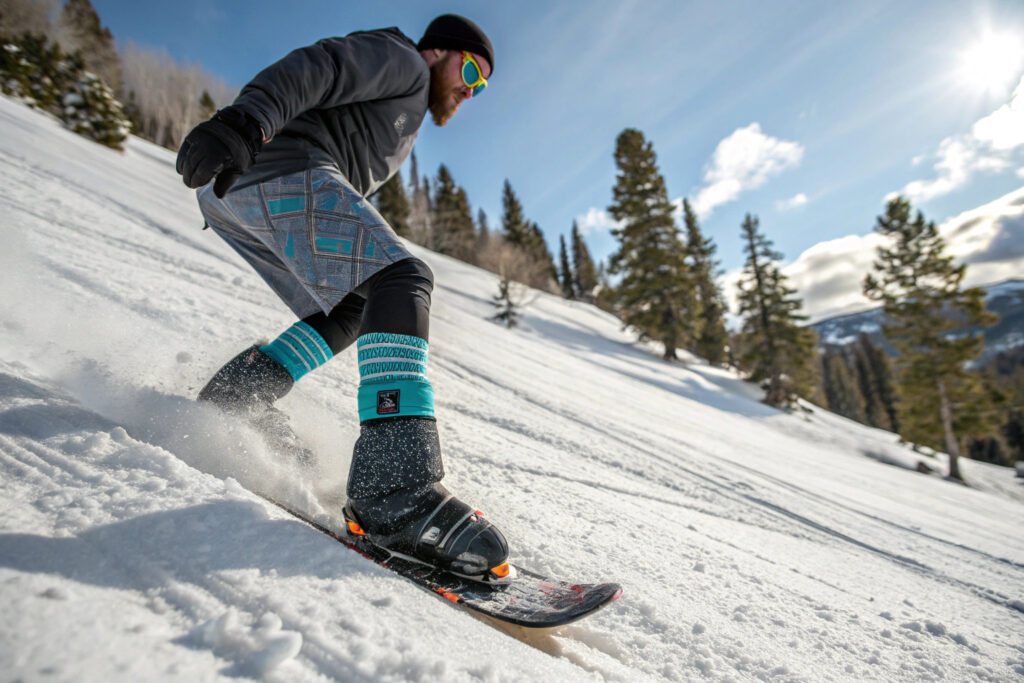
When you’re carving down a mountain, the last thing you want is cold, wet feet ruining your flow. It’s a common pain point I hear from buyers and riders alike. The right snowboarding sock is not just about comfort; it’s a critical piece of gear that impacts performance and warmth. Many assume any thick sock will do, but that’s a mistake that leads to blisters and frozen toes.
The best socks for snowboarding expertly balance moisture-wicking, cushioning, and temperature regulation. They are typically crafted from advanced synthetic blends or natural fibers like Merino wool, which actively pull sweat away from the skin to keep feet dry and warm in harsh, cold conditions. It’s a precise combination of material science and functional design.
In this article, we’ll dive deep into the essential features that define a top-tier snowboarding sock. From understanding core moisture-lock technologies to selecting the right cushioning and fit, you’ll gain the knowledge to source or develop the perfect sock for the slopes.
What features define the best snowboarding socks?
A great snowboarding sock is an engineered system, not just a simple fabric tube. It addresses the unique demands of the sport, where feet experience periods of high exertion followed by static cooling. The key is managing the microclimate inside your boot to prevent both sweat accumulation and heat loss.
The best snowboarding socks are defined by a trio of non-negotiable features: superior moisture-wicking to keep feet dry, targeted cushioning in high-impact zones for comfort and shock absorption, and a secure, non-slip fit that prevents bunching and blisters. These elements work in unison to provide warmth and performance.
Why is moisture management critical for snow sports?
Moisture is the enemy of warmth. During snowboarding, your feet sweat. If that moisture is trapped against your skin, it cools down rapidly when you stop moving, leading to a significant drop in body temperature and potential frostbite. A sock with a powerful moisture-wicking system acts like a pump, moving sweat away from the skin to the outer layers of the fabric where it can evaporate. This is why materials like Merino wool and advanced polyester blends are so effective; they manage humidity without sacrificing insulation. At our CNAS-certified lab, we rigorously test fabrics for this exact property, ensuring the socks we produce maintain a stable and warm internal environment even during variable activity levels.
How does targeted cushioning enhance the ride?
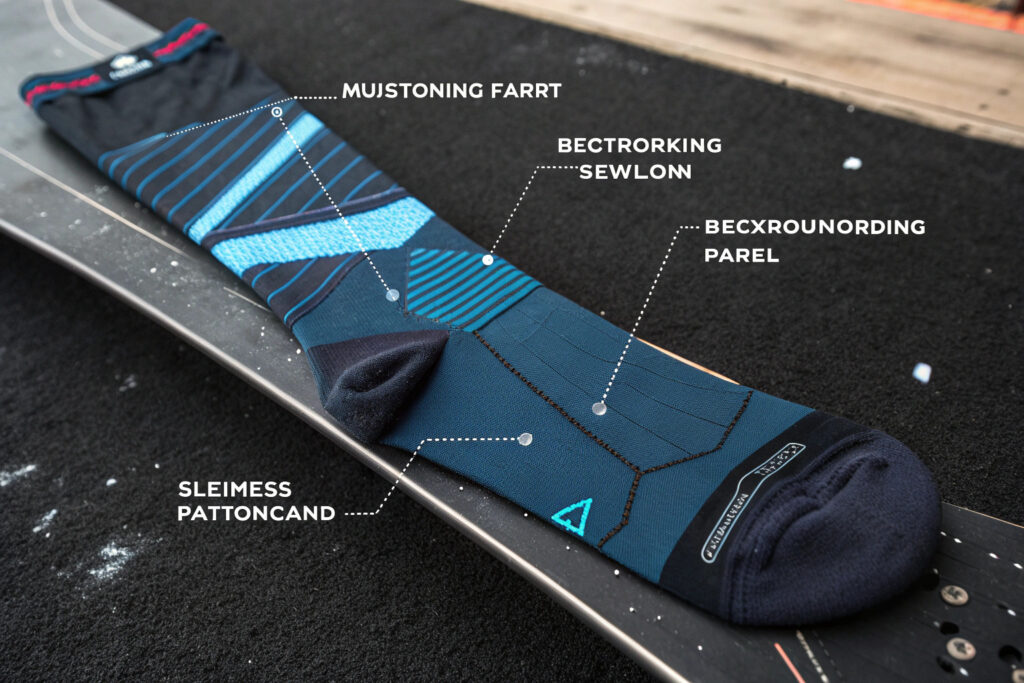
Cushioning is about more than just softness; it’s about strategic protection and energy absorption. A sock with too much cushion can make your boots feel tight and restrict blood flow, while too little can lead to pressure points and fatigue. The best designs feature zonal cushioning—extra padding under the foot, around the heel, and over the shin—where the boot and bindings apply the most pressure. This not only provides cushioned comfort but also helps to absorb the vibrations and impacts from riding over variable terrain. We use advanced knitting machines to create these specific zones, ensuring a perfect balance of protection and a close-to-the-foot feel for better board control.
How do moisture-lock systems work in socks?
Understanding the mechanics behind moisture-lock systems demystifies why some socks perform so much better than others. It’s a battle of physics and chemistry happening at the fiber level, designed to keep the skin’s surface as dry as possible. This technology is what separates a basic cotton sock from a high-performance snowboarding sock.
Moisture-lock systems in socks work through two primary methods: capillary action, where hydrophilic (water-attracting) fibers pull moisture laterally across the fabric, and diffusion, which allows moisture vapor to move from areas of high concentration to low concentration. This is often enhanced by chemical treatments that make fibers hydrophobic, pushing water away.

What is the role of hydrophilic and hydrophobic fibers?
Most advanced moisture-wicking fabrics use a combination of hydrophilic and hydrophobic fibers to create a powerful pumping effect. Hydrophilic fibers, like those found in Merino wool or specific polyesters, have a strong chemical attraction to water. They pull the sweat from your skin. Hydrophobic fibers, like polypropylene, repel water. In a blend, the hydrophilic fibers grab the moisture and, through capillary action, pass it to the hydrophobic fibers, which then spread it across a larger surface area for rapid evaporation. This synergistic relationship is the core of effective moisture management in technical socks, ensuring you stay dry and comfortable throughout the day.
Can fabric blends improve drying speed?
Absolutely. The choice of fabric blend is the most critical factor in determining drying speed. Natural fibers like Merino wool are excellent at managing moisture and resisting odor, but they can be slower to dry compared to some synthetics. Synthetic fibers like nylon and polyester are inherently quick-drying and durable. The best performance socks often use a blend, such as a Merino wool, nylon, and spandex mix. This combination leverages the comfort and odor-control of wool with the rapid-drying and resilient properties of synthetics. In our development process, we experiment with different blend ratios to optimize for both quick-drying performance and next-to-skin comfort for our clients.
What materials are best for snowboarding socks?
The debate over the "best" material is ongoing, but the consensus in the performance wear industry leans towards smart blends rather than a single fiber. The ideal material must be a multi-tasker, capable of managing moisture, providing warmth without bulk, and maintaining its shape and durability after repeated wear and washing.
The best materials for snowboarding socks are Merino wool for its natural temperature regulation and odor resistance, and advanced synthetic blends like Nylon/Spandex for their durability, shape retention, and fast-drying capabilities. Bamboo-based fabrics are also gaining popularity for their softness and sustainable profile.
Why is Merino wool a top choice for cold weather?
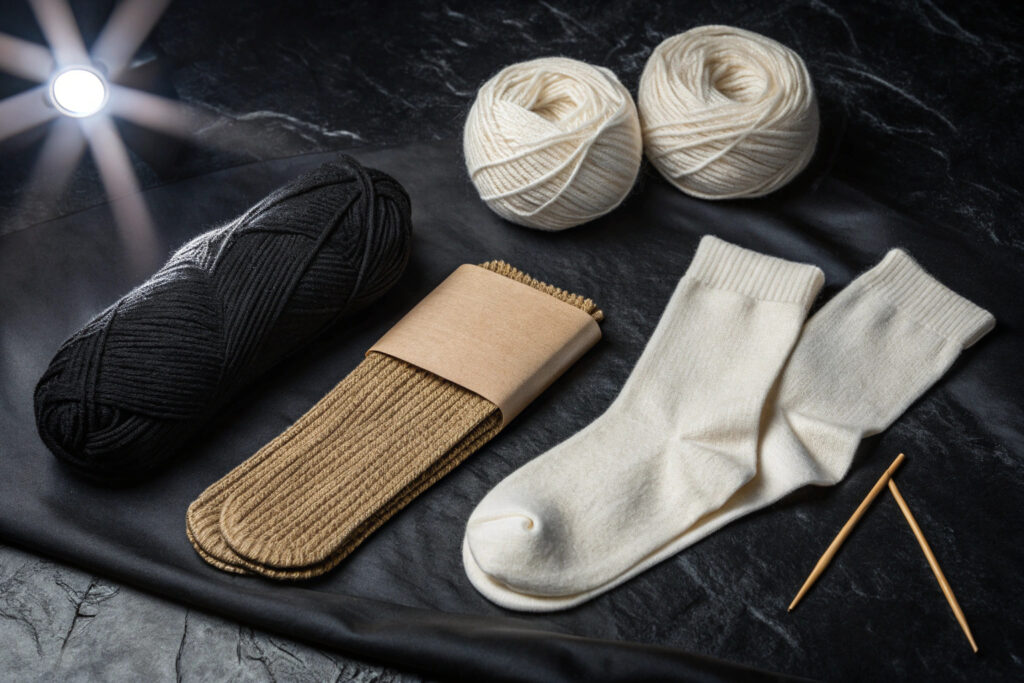
Merino wool is a superstar in the world of cold-weather apparel for several key reasons. Unlike traditional wool, its fibers are fine and soft, eliminating any itchiness. Its natural structure creates tiny air pockets that trap heat, providing excellent insulation even when wet. Crucially, the keratin protein in wool is hydrophilic, allowing it to absorb up to 30% of its weight in moisture vapor without feeling wet, which helps regulate the humidity level inside your boot. Furthermore, it possesses natural antibacterial properties, meaning it fights odors over multiple days of use. This makes it an ideal choice for multi-day trips where laundry options are limited.
How do synthetic blends compare to natural fibers?
Synthetic blends offer distinct advantages that make them a formidable choice. Fabrics primarily made from nylon and polyester are incredibly durable and long-lasting, resisting abrasion from boot liners far better than many natural fibers. They are engineered for quick-drying performance, which is a critical safety feature in extreme conditions. While early synthetics were criticized for odor retention, modern versions often include permanent antibacterial & odor-control treatments that are highly effective. The addition of a small percentage of spandex ensures the sock maintains a secure fit and retains its shape wash after wash, providing consistent performance and compression where needed.
How to choose the right snowboarding sock fit?
A sock’s fit is as important as its material composition. An ill-fitting sock can create a host of problems, from restricted circulation that makes feet colder to friction points that cause blisters. The goal is a second-skin feel that moves with you, not against you.
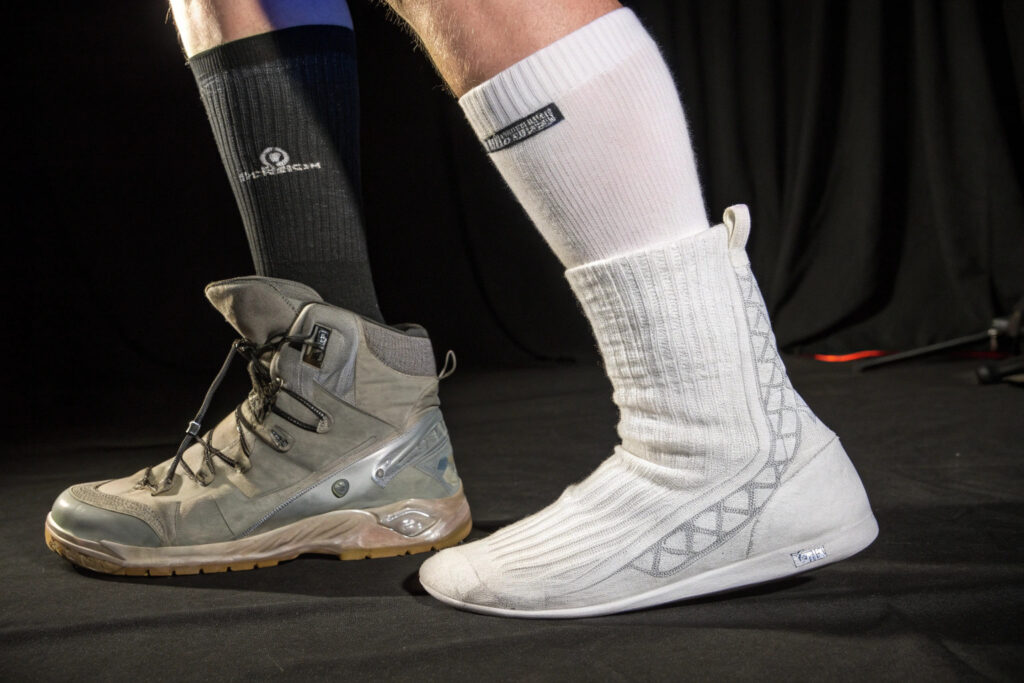
To choose the right snowboarding sock fit, focus on precise sizing that matches your boot size, a seamless toe closure to prevent irritation, and consistent compression that offers support without constriction. The sock should feel snug but not tight, with no excess material that could bunch up.
Why is a seamless toe so important?
The toe area is a prime spot for blister formation, especially when your feet are constantly moving and adjusting inside your boots. A traditional toe seam can create a raised ridge that rubs against adjacent toes with every flex of your foot. A seamless toe construction, often achieved through advanced "hand-linked" or "toe-closing" knitting techniques, eliminates this friction point entirely. This results in a smooth, flat interior that glides over the skin, significantly reducing bunching and the risk of blisters. For our clients, we prioritize this construction method in all our high-performance snow sock designs because comfort and reliability are non-negotiable.
What level of compression is ideal?
The ideal level of compression in a snowboarding sock is gentle to moderate, often referred to as "support" rather than medical-grade compression. Its primary role is to improve blood flow and reduce muscle vibration, which can decrease fatigue during long runs. The sock should hug the foot and calf firmly without pinching or leaving deep marks when removed. This secure fit also prevents the sock from sliding down, which is a common annoyance. Key areas to look for compression are in the arch and the calf. This gentle compression provides a feeling of stability and connection to your boot, enhancing control without compromising comfort.
Conclusion
Selecting the best snowboarding sock is a deliberate choice that directly impacts your comfort, warmth, and performance on the mountain. It requires a focus on advanced moisture-lock systems, strategic materials like Merino wool or technical synthetics, and a precise, seamless fit. By understanding these core elements, you can ensure your feet remain dry, warm, and protected in any condition.
If you are looking to develop or source high-performance snowboarding socks that embody these exact principles, we are here to help. Our team at GlobalSock specializes in creating premium socks with advanced moisture-wicking, targeted cushioning, and the perfect fit. For a direct conversation about your needs, please contact our Business Director, Elaine, at her email: elaine@fumaoclothing.com. Let’s co-create the perfect sock for your brand.