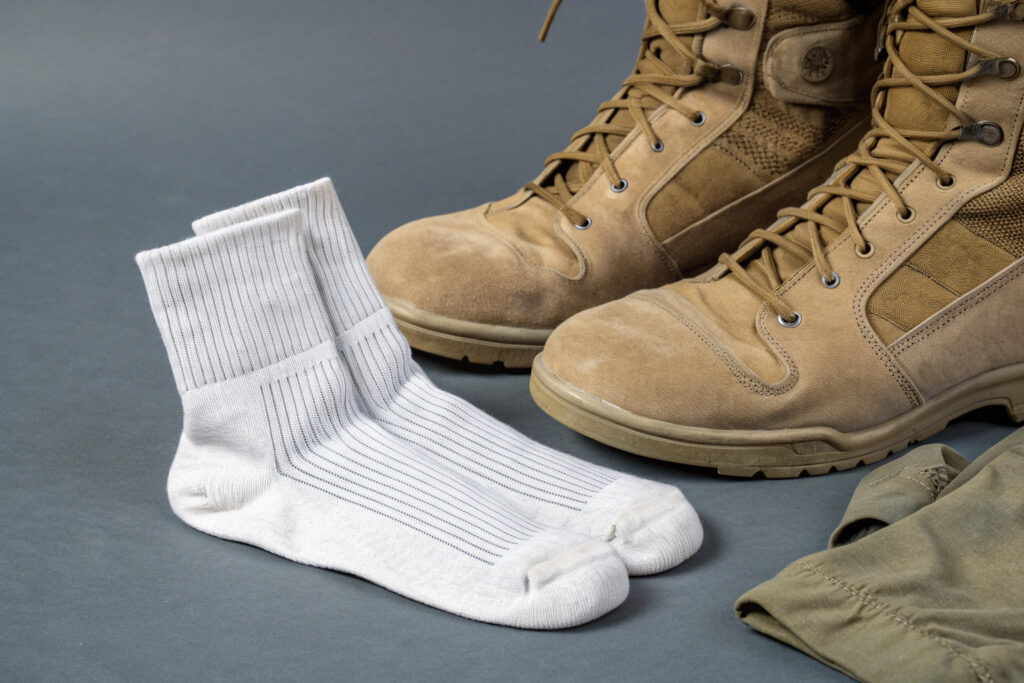
Liner socks are a small piece of gear that can make a huge difference for anyone in military boots. If you’ve ever experienced blisters, hot spots, or general discomfort during long marches or extended wear, you know how critical foot comfort is. For military personnel, law enforcement, and outdoor enthusiasts, the right sock system isn’t just about comfort—it’s about performance and mission readiness. The wrong sock can lead to debilitating foot problems, while the right one can keep you moving effectively.
Liner socks are critical for military boot comfort because they manage moisture, reduce friction, and provide a crucial protective layer that prevents blisters and other foot injuries, directly impacting a soldier’s ability to perform in demanding conditions. These thin, lightweight socks are worn under a primary sock and serve as a first line of defense, wicking sweat away from the skin and allowing the outer sock to bear the brunt of the friction against the boot. This simple two-layer system is a proven method for maintaining foot health during intense physical activity.
Understanding the science and benefits behind liner socks can help you make an informed decision for your own needs, whether you’re procuring gear for a unit or an individual. Let’s explore why this often-overlooked item is a non-negotiable part of military footwear.
What Are the Key Benefits of Military Liner Socks?
The primary benefits of military liner socks revolve around blister prevention, moisture management, and enhanced comfort, which collectively contribute to operational effectiveness. For anyone spending long hours in rugged footwear, these socks are not a luxury but a necessity. They solve the fundamental problems that lead to foot fatigue and injury.
The key benefits of military liner socks include drastic blister reduction through friction management, superior moisture-wicking to keep feet dry, and added thermal regulation, which together ensure all-day comfort and peak foot performance in the most challenging environments. By creating a separate layer between the foot and the boot, the liner sock moves slightly with the foot, while the outer sock moves with the boot. This eliminates the direct, chafing friction on the skin, which is the primary cause of blisters.
How Do Liner Socks Prevent Blisters?
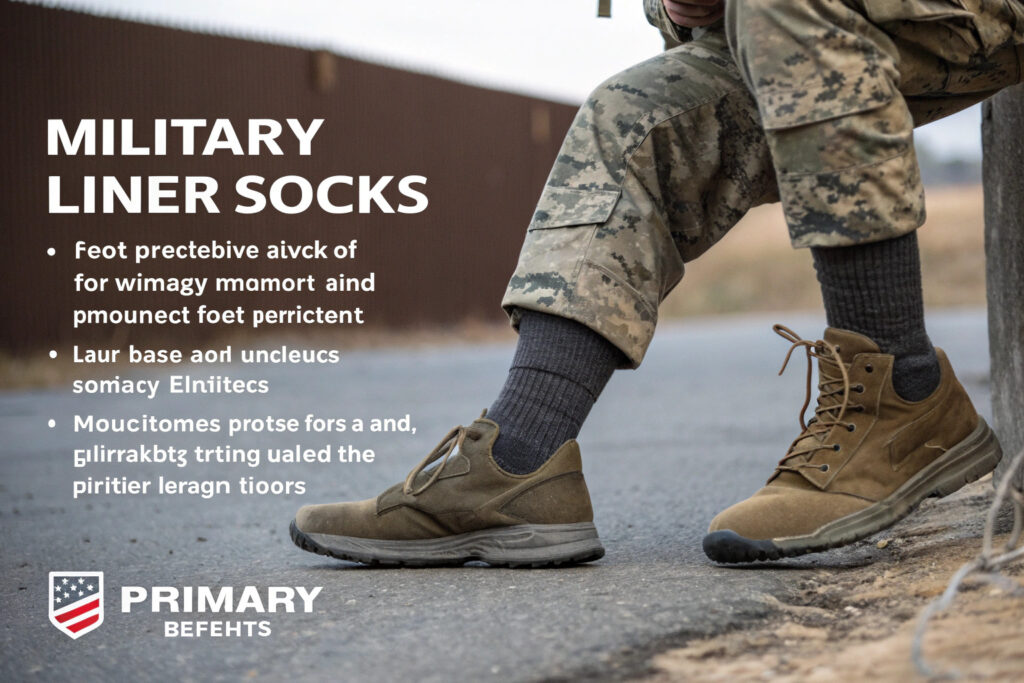
Blisters are caused by repetitive friction, moisture, and heat. Liner socks tackle this problem head-on by implementing a two-sock system. The liner sock adheres closely to the skin, wicking moisture away efficiently. Meanwhile, the bulk of the friction occurs between the liner and the outer sock, not between the sock and your skin. This division of labor is what makes the system so effective. At GlobalSock, we engineer our liner socks with seamless toe closures to eliminate another common point of irritation and bunching. Furthermore, using blister prevention as a core design principle, we select fabrics that have a low coefficient of friction, allowing the two sock layers to glide smoothly against each other.
Why is Moisture-Wicking Essential for Foot Health?
Moisture is the enemy of the foot. When feet are wet, the skin becomes softer and more susceptible to damage and friction. This macerated skin blisters and tears easily. Moisture-wicking fabrics pull sweat away from the skin to the outer surface of the liner sock, where it can evaporate. This process keeps the skin drier and healthier. Our liner socks often use advanced moisture-wicking materials like bamboo viscose, which is naturally hydrophilic and pulls moisture away 40% faster than polyester. For extreme conditions, we integrate antibacterial and odor-control properties directly into the yarn, fighting the bacteria that thrive in damp environments and cause unpleasant odors and infections.
What Materials Are Best for Military Liner Socks?
The best materials for military liner socks are those that prioritize function over fashion, focusing on moisture management, durability, and comfort against the skin. Not all fabrics are created equal, and the wrong choice can negate the benefits of wearing a liner sock altogether. The ideal material must perform consistently under stress, heat, and repeated washing.
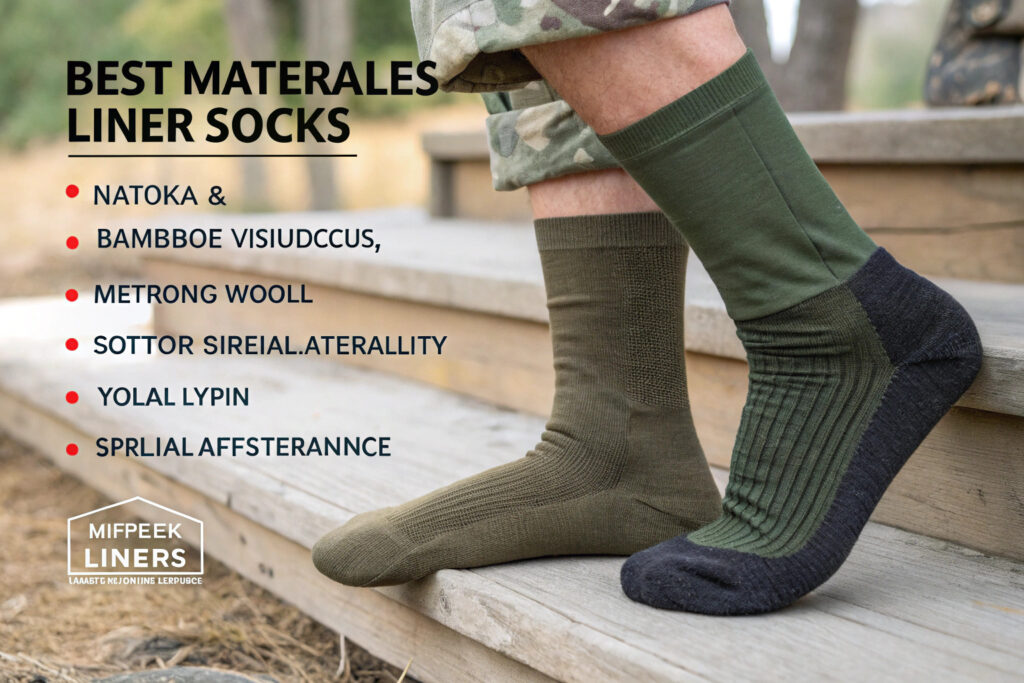
The best materials for military liner socks are natural and synthetic blends like bamboo viscose, merino wool, and specialized nylon-spandex mixes, which offer a superior balance of moisture-wicking, softness, durability, and elastic recovery. Bamboo is renowned for its breathability and softness, merino wool for its temperature regulation and natural odor resistance, and synthetic blends for their strength and snug fit. Our CNAS-certified lab rigorously tests these high-performance fabrics to ensure they meet the stringent demands of military use.
Is Bamboo or Merino Wool Better for Liners?
Both bamboo and merino wool are excellent, but they serve slightly different purposes. Bamboo socks are exceptional for their ultra-soft feel and incredible breathability. Bamboo fiber is also naturally thermoregulating and hypoallergenic, making it ideal for sensitive skin. On the other hand, merino wool socks are champions of temperature regulation, keeping feet warm in the cold and cool in the heat. Merino wool retains its insulating properties even when wet, a critical feature for operations in variable climates. The choice often comes down to the specific environmental conditions and personal skin sensitivity.
How Does Nylon/Spandex Enhance Durability and Fit?
While natural fibers provide comfort, synthetic fibers like nylon and spandex are the workhorses of durability and shape. Nylon is exceptionally strong and abrasion-resistant, significantly extending the life of the sock. Spandex (also known as Lycra) is what gives the sock its secure fit and non-slip quality. It ensures the liner sock hugs the foot closely without sagging or bunching, which is essential for the two-sock system to function correctly. Our blends typically use a small percentage of spandex to provide this perfect, flexible fit that lasts the life of the sock.
How to Choose the Right Liner Sock for Your Needs?
Choosing the right liner sock involves evaluating the boot fit, the anticipated activity level, and the climate you will be operating in. A one-size-fits-all approach does not work, as an ill-fitting liner can create its own problems. The goal is to find a liner that integrates seamlessly with your boot and outer sock system.
To choose the right liner sock, focus on achieving a seamless fit, assessing the activity’s intensity, and confirming that the material composition aligns with your environmental needs for moisture and temperature control. The liner should feel like a second skin—snug but not constrictive. It must lay perfectly flat without any wrinkles or loose fabric that could cause pressure points. For high-intensity activities, prioritize moisture-wicking and breathability above all else.
What Should You Look for in the Fit and Seam Construction?
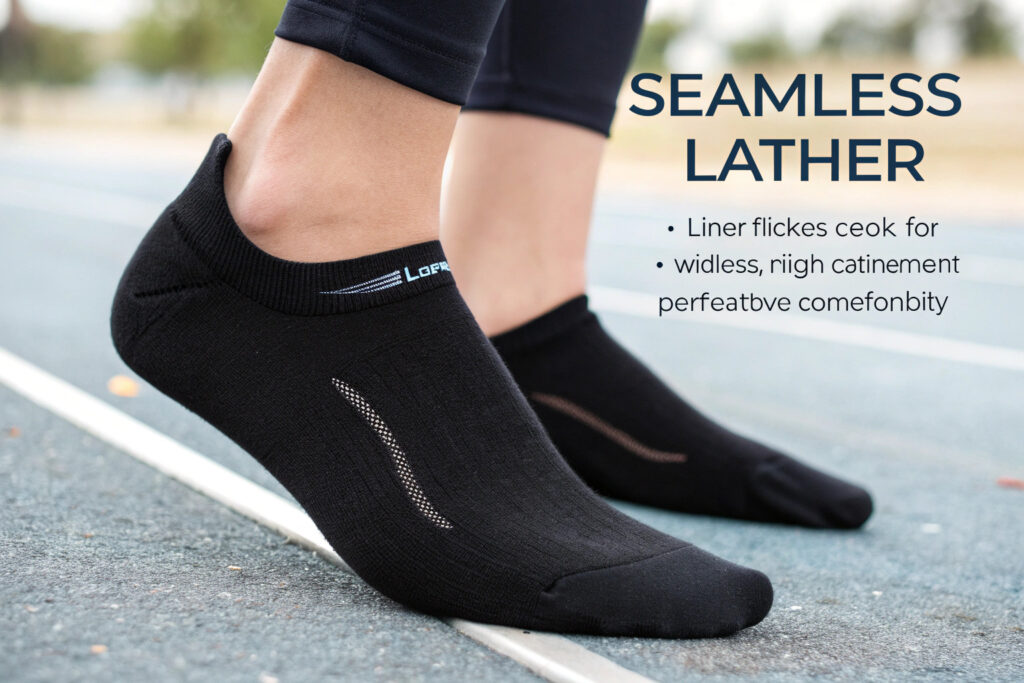
The fit is paramount. The liner sock must have minimal excess fabric and must not slide down the heel. Look for liners that specify arch support to help keep them in place. The most critical aspect of construction is the toe. A seamless toe is non-negotiable for preventing blisters. Traditional toe seams create ridges that rub against the skin. At GlobalSock, our seamless toe closure technology ensures a smooth, invisible feel inside the boot, which is a fundamental feature for blister prevention.
How Does Activity Level Influence Your Choice?
The intensity of your activity directly dictates the required features of your liner sock. For long-distance rucking or multi-day missions, you need the ultimate in moisture management and blister protection, which might point you towards a bamboo or a bamboo-wool blend. For shorter, high-sweat activities, a synthetic blend with very fast quick-drying properties might be more appropriate. Understanding the demands of your athletic socks system is key to selecting a liner that enhances, rather than hinders, your performance.
What is the Impact of Liner Socks on Supply Chain Logistics?
For procurement officers and large-scale buyers, the impact of liner socks on supply chain logistics is significant, affecting costs, efficiency, and troop readiness. Reliable access to high-quality, durable liner socks is as important as sourcing the boots themselves. Disruptions in this supply chain can have direct consequences.
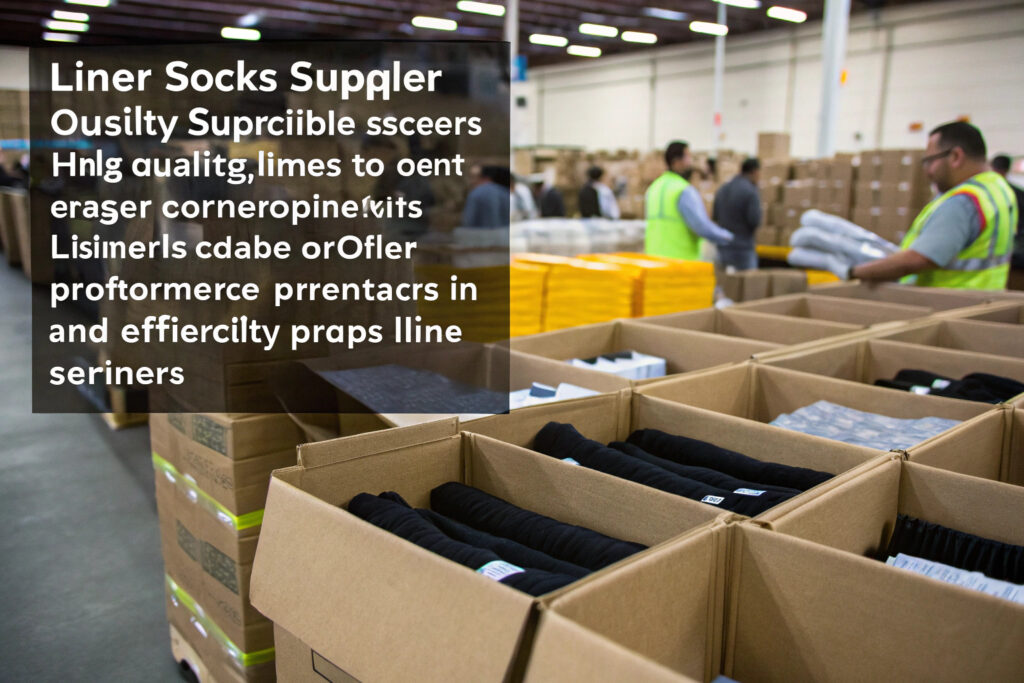
Liner socks impact supply chain logistics by requiring a supplier capable of consistent bulk production, rigorous quality control, and resilient global shipping, ensuring timely delivery to support operational demands without being affected by external trade factors. A dependable supplier must have a proven track record of delivering large orders that meet strict quality standards on time, every time. At GlobalSock, our position in Keqiao’s textile hub gives us an agile supply chain, allowing for quick bulk delivery. Furthermore, our diversified export strategy to markets including the EU and RCEP nations helps mitigate trade risks and ensures our clients’ supply chains remain uninterrupted, unaffected by issues like US tariffs.
How Can You Ensure Consistent Quality in Bulk Orders?
Ensuring consistent quality across thousands of pairs of socks requires a manufacturer with an uncompromising commitment to quality control. This means every production batch must be tested for material composition, colorfastness, shrinkage, and seam strength. Our end-to-end quality control process, backed by our CNAS-accredited lab, guarantees that every pair of socks meets the same high standard. We provide our clients with detailed certification reports and advanced QR code tracking for full transparency, leading to a 98% client pass rate.
What Are the Advantages of Sourcing from a Chinese Manufacturer?
Sourcing liner socks from China, and specifically from a specialized cluster like Keqiao, offers unparalleled advantages in cost-efficiency, production speed, and supply chain depth. We have direct access to raw materials, dyeing facilities, and weaving factories, all within a localized ecosystem. This integration, combined with our digital convenience like live inventory access, dramatically reduces lead times. We offer one-week sample development and swift bulk production, enabling you to respond quickly to demand. Our expertise in package transportation and customs clearance ensures a smooth journey from our factory to your doorstep.
Conclusion
Liner socks are a foundational element of military foot care, directly impacting comfort, health, and operational capability. The right liner sock, made from appropriate materials and chosen with a clear understanding of its role, can prevent the majority of common foot problems faced in the field. The benefits of blister prevention, superior moisture management, and enhanced durability are not just claims—they are achievable realities with a scientifically designed product.
The investment in high-quality liner socks pays dividends in readiness and performance. By understanding the key benefits, materials, selection criteria, and logistical considerations, you can make a procurement decision that supports long-term foot health and mission success.
If you are looking for a reliable partner to manufacture high-performance liner socks or any other custom hosiery, we invite you to experience the GlobalSock advantage. Our dedicated team is ready to help you develop and produce the perfect socks for your needs. For a direct conversation about your production requirements, please contact our Business Director Elaine at elaine@fumaoclothing.com. Let’s co-create value for your brand.