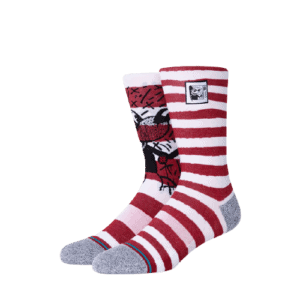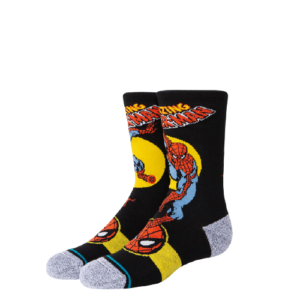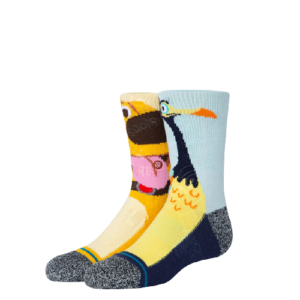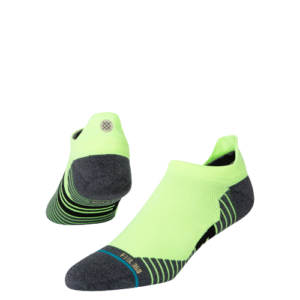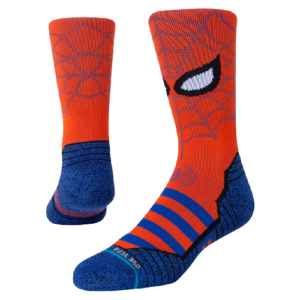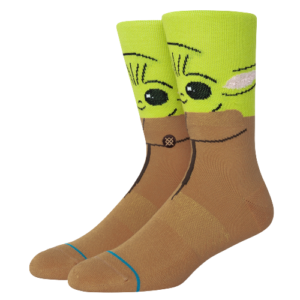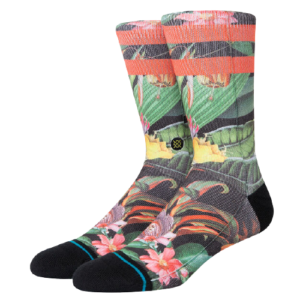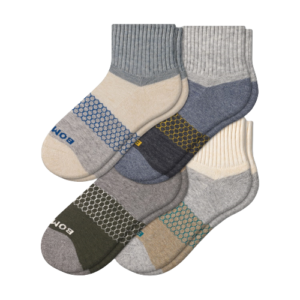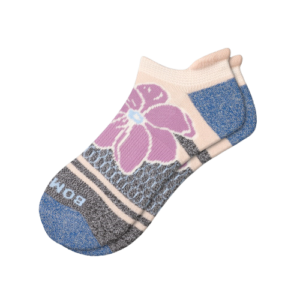

As a sock manufacturer and exporter based in China, I often hear from our American clients like Ron about their constant struggle with tariff costs. Many are now exploring sourcing from ASEAN countries to mitigate these expenses. The Regional Comprehensive Economic Partnership (RCEP) agreement, which includes China and multiple ASEAN nations, presents a significant opportunity for duty savings on sock imports. Understanding how to calculate these savings can make a substantial difference in your sourcing strategy and bottom line.
The RCEP agreement offers substantial duty savings for sock imports from ASEAN countries through tariff elimination, streamlined rules of origin, and cumulative content provisions. By understanding how to calculate these savings, importers can reduce costs by 5-20% on average while diversifying their supply chain. Proper documentation and verification of origin are crucial to claiming these benefits.
Many importers overlook the potential of RCEP because they assume the calculation process is too complex. However, with the right approach and tools, you can accurately determine your potential savings and make informed sourcing decisions. Let’s explore how you can leverage this trade agreement to your advantage.
What Are RCEP Rules of Origin for Socks?
Understanding the rules of origin is the foundation for calculating duty savings under RCEP. These rules determine whether your socks qualify for preferential tariff treatment under the agreement. Many importers miss out on savings because they don’t properly verify origin requirements.
The rules of origin under RCEP require that your socks meet specific regional value content (RVC) criteria or undergo substantial transformation within member countries. For socks, this typically means either 40% regional value content or meeting the product-specific rules outlined in the agreement. The rules of origin framework under RCEP is more flexible than previous agreements, allowing for cumulative sourcing across member nations.
How Do You Determine Regional Value Content?
Calculating regional value content is essential for RCEP compliance. The most common method is the build-down approach: (Value of Imported Non-originating Materials / FOB Price) × 100. Alternatively, you can use the build-up approach: (Value of Originating Materials / FOB Price) × 100. The World Customs Organization provides detailed guidelines on these calculation methods that can help ensure accuracy.
For sock manufacturing, your calculation should include all materials sourced from RCEP member countries. This includes yarn, elastic components, dyes, and packaging materials. Proper documentation from your suppliers is crucial to verify the origin of each component. Many importers establish a digital tracking system to streamline this process and maintain accurate records for customs verification.
What Documentation Proves Origin?
The key document for claiming RCEP benefits is the Certificate of Origin (COO). This must be issued by an authorized body in the exporting country and contain specific information about the socks, manufacturer, and importer. Additional supporting documents include commercial invoices, packing lists, and bills of lading that corroborate the origin claim.
Maintaining proper documentation requires coordination with your ASEAN sock supplier. They must provide authenticated certificates and supporting evidence for all materials used in production. Digital platforms can facilitate this process, ensuring all documents are accurate and readily available for customs authorities. Proper documentation not only ensures compliance but also speeds up customs clearance.
How to Calculate Exact Duty Savings for Your Sock Orders?
Calculating precise duty savings requires understanding both the RCEP tariff schedules and your specific product classification. The savings can vary significantly depending on the sock type, materials used, and the specific ASEAN country of origin.
Start by identifying the correct HS code for your socks. Most socks fall under HS code 6115, but specific types may have different classifications. Next, check the base tariff rate applied to socks from non-RCEP countries versus the preferential rate under RCEP. The difference between these rates represents your potential savings per unit.
What Factors Influence Final Savings Calculations?
Several factors impact your final duty savings calculation. These include the sock type (athletic, dress, compression), material composition (cotton, synthetic blends, specialized fabrics), and value-added features (compression, antibacterial treatment). Higher-value socks typically yield greater absolute savings due to the ad valorem nature of most tariffs.
The specific ASEAN country of origin also affects savings, as each member country has slightly different phase-out schedules for tariff elimination. Some may offer immediate zero tariffs, while others implement gradual reductions over 10-20 years. Understanding these timelines helps in long-term sourcing planning and cost projections.
How to Project Long-Term Savings?
| Year | Base Tariff Rate | RCEP Preferential Rate | Savings Percentage | Cumulative Savings (per 10,000 pairs) |
|---|---|---|---|---|
| 2024 | 8.5% | 6.5% | 2.0% | $1,200 |
| 2025 | 8.5% | 5.0% | 3.5% | $2,100 |
| 2026 | 8.5% | 3.5% | 5.0% | $3,000 |
| 2027 | 8.5% | 2.0% | 6.5% | $3,900 |
| 2028 | 8.5% | 0% | 8.5% | $5,100 |
Long-term projections require understanding the tariff elimination schedule for your specific sock category. Create a spreadsheet that maps out the gradual reduction of tariffs over the agreed timeline. Factor in your projected order volumes and price points to calculate cumulative savings over 3-5 years. This approach helps justify potential supply chain restructuring costs.
What Are Common RCEP Compliance Challenges?
While RCEP offers significant benefits, many importers face compliance challenges that can negate the potential savings. Understanding these pitfalls helps you avoid costly errors and ensure smooth customs clearance.
The most common challenge is maintaining proper documentation throughout the supply chain. Many sock manufacturers in ASEAN countries may not have established systems for tracking material origins, especially when they source components from multiple RCEP members. This can lead to incomplete or inaccurate certificates of origin that customs authorities may reject.

How to Overcome Documentation Hurdles?
Establish clear communication channels with your ASEAN sock suppliers about RCEP requirements. Provide them with templates and guidelines for collecting necessary documentation from their sub-suppliers. Consider implementing a digital supply chain management system that tracks component origins throughout the manufacturing process. Regular audits of your suppliers’ documentation processes can prevent compliance issues.
Another effective approach is working with suppliers who have experience with RCEP or other trade agreements. They typically have established procedures for origin documentation and understand the importance of maintaining accurate records. The additional effort in supplier vetting pays dividends through smoother customs clearance and consistent duty savings.
How to Manage Verification Risks?
Customs authorities in importing countries may conduct verification checks on RCEP claims, sometimes months after clearance. This requires maintaining accessible records for up to five years in some jurisdictions. Implement a robust record-keeping system that organizes certificates of origin, commercial invoices, bills of material, and supporting supplier declarations.
Working with experienced customs brokers who understand RCEP requirements can significantly reduce verification risks. They can help ensure your documentation meets all requirements and represent you during verification processes. The International Trade Administration offers resources and guidance on managing compliance risks under various trade agreements.
How to Implement RCEP Strategies in Your Sourcing?
Successfully implementing RCEP strategies requires integrating duty savings calculations into your overall sourcing decisions. This involves supplier selection, cost analysis, and logistics planning to maximize benefits.
Begin by mapping your current sock supply chain against RCEP member countries. Identify which of your existing or potential suppliers are in ASEAN nations that have implemented RCEP. Evaluate their capability to meet origin requirements and provide necessary documentation. This assessment forms the foundation of your RCEP sourcing strategy.
How to Select RCEP-Compliant Suppliers?
When evaluating ASEAN sock suppliers, prioritize those with established quality control systems and documentation processes. Ask potential suppliers about their experience with preferential trade agreements and request sample documentation. Verify their understanding of RCEP-specific requirements, particularly regarding material tracking and origin certification.
Consider conducting onsite assessments of supplier facilities to evaluate their documentation systems and production processes. Suppliers with ISO certification often have better systems for tracking materials and maintaining required records. While their prices may be slightly higher, the guaranteed duty savings and compliance often justify the additional cost.
How to Optimize Logistics for RCEP Benefits?
RCEP includes trade facilitation measures that can reduce clearance times and associated costs. Optimize your logistics to leverage these benefits by selecting shipping routes and ports that have implemented RCEP customs procedures. Some ports offer expedited processing for RCEP-certified goods, reducing transit times and storage costs.
Consolidate shipments from multiple ASEAN suppliers to maximize savings and streamline documentation. Work with logistics providers who have experience with RCEP requirements and can help coordinate origin documentation across multiple suppliers. The cumulative origin provisions under RCEP make consolidation particularly advantageous for sock importers.
Conclusion
Understanding how to calculate duty savings under RCEP for ASEAN sock imports requires careful attention to rules of origin, documentation requirements, and compliance procedures. By methodically working through each element—from determining regional value content to implementing strategic sourcing decisions—importers can significantly reduce costs while diversifying their supply chain. The initial investment in understanding and implementing RCEP strategies pays substantial dividends through ongoing duty savings and supply chain resilience.
If you’re looking to leverage RCEP benefits for your sock sourcing needs, our company has extensive experience helping clients navigate these complex requirements. We work with certified suppliers across ASEAN countries and maintain robust documentation systems to ensure compliance. Contact our Business Director Elaine at elaine@fumaoclothing.com to discuss how we can help you optimize your sock imports under RCEP while maintaining our commitment to quality, fast production, and comprehensive service from development to customs clearance.