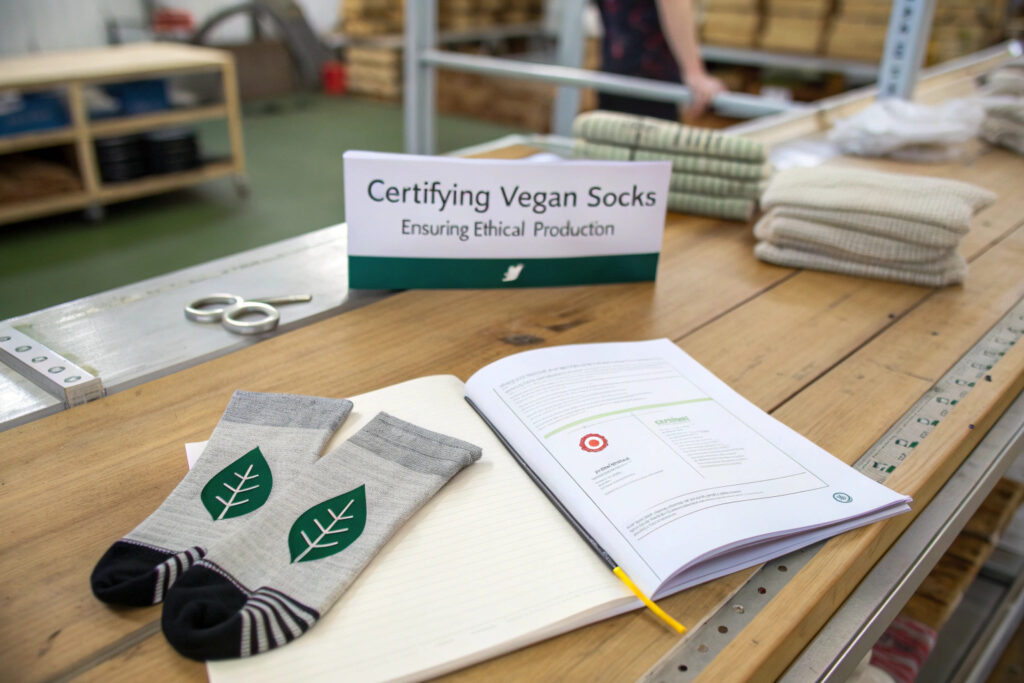
As a leading socks manufacturer with over a decade of experience, I’ve seen the demand for vegan products skyrocket. Many of our clients from the US and EU, like Ron, are actively seeking ethically produced socks. They want assurance that their products are free from animal-derived materials and cruelty. This guide will walk you through the essential steps to certify your socks as vegan, ensuring they meet the growing market demand for ethical and sustainable fashion.
To certify socks as vegan, you must ensure that all materials, including yarns, dyes, and adhesives, are free from animal sources. The manufacturing process must also avoid any animal testing. Key steps include selecting plant-based or synthetic materials like organic cotton, bamboo, and recycled polyester; obtaining verification from recognized vegan certification bodies; and maintaining transparent supply chain documentation. This process not only aligns with ethical standards but also appeals to a growing consumer base looking for cruelty-free products.
Navigating the certification process can seem daunting, but it’s a crucial step for brands committed to ethical production. Let’s break down the material choices, certification steps, and common challenges you might face. This will help you make informed decisions and streamline your path to offering certified vegan socks.
What Materials Are Used in Vegan Socks?
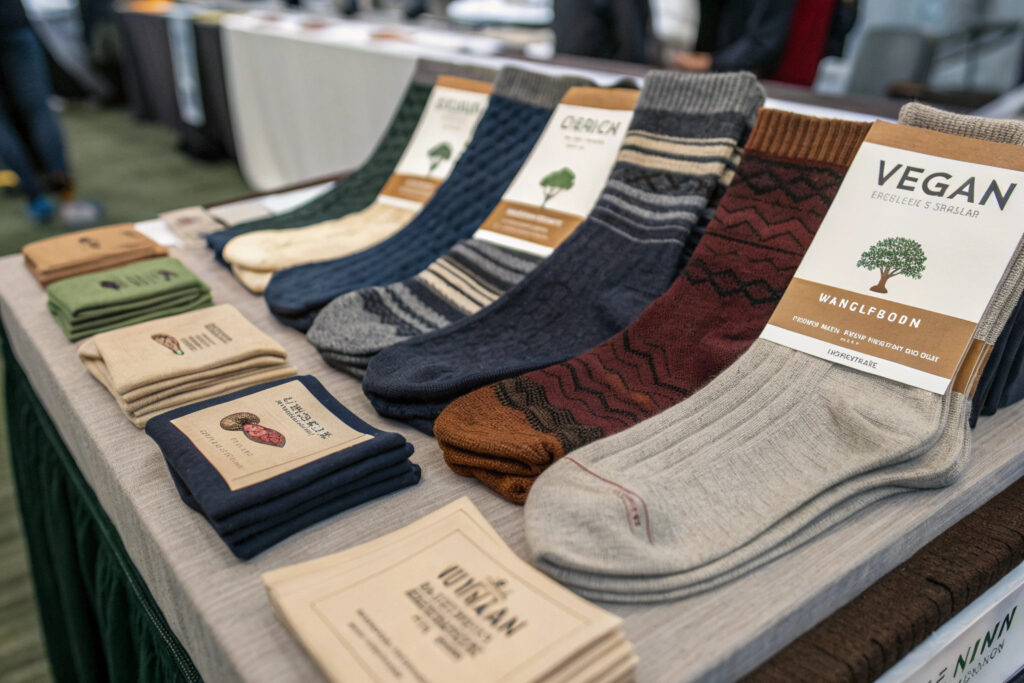
Choosing the right materials is the foundation of vegan sock production. Vegan socks must exclude any animal-derived components, such as wool, silk, or cashmere. Instead, opt for plant-based fibers or synthetic alternatives that offer similar—or even superior—performance and comfort.
Vegan socks primarily use materials like organic cotton, bamboo, recycled polyester, and Tencel™ blends. These fibers are naturally free from animal products and provide benefits like moisture-wicking, breathability, and durability. For instance, bamboo viscose is derived from bamboo plants and processed without animal involvement, making it an excellent choice for soft, antibacterial socks. Always verify that dyes and finishes are synthetic and not tested on animals to maintain vegan integrity.
Why Are Natural Fibers Preferred for Vegan Socks?
Natural fibers such as organic cotton and bamboo are highly favored in vegan sock production due to their sustainability and skin-friendly properties. Organic cotton is grown without synthetic pesticides, which aligns with vegan principles of minimizing harm to animals and ecosystems. Bamboo, on the other hand, is a fast-growing renewable resource that requires no animal inputs. These materials are also biodegradable, reducing environmental impact. At our CNAS-certified lab, we test these fibers for performance aspects like breathability and hypoallergenic qualities. For more details on sustainable fibers, check the Global Organic Textile Standard and Textile Exchange websites, which provide guidelines on eco-friendly material sourcing.
How Do Synthetic Blends Enhance Vegan Sock Performance?
Synthetic blends, including nylon and spandex, are often added to vegan socks to improve elasticity, durability, and fit. These materials are entirely plant-based or chemically synthesized, ensuring no animal products are used. For example, recycled polyester made from plastic bottles offers a cruelty-free alternative with excellent moisture-wicking properties. In our production, we use blends like bamboo with spandex to create socks that are both stretchy and soft. This combination is ideal for athletic socks, providing a secure fit without sacrificing comfort. To learn about synthetic fiber innovations, visit the Sustainable Apparel Coalition and Vegan Society resources, which cover ethical material standards.
How to Obtain Vegan Certification for Socks?
Securing vegan certification involves rigorous checks by accredited organizations to confirm that every aspect of your socks—from raw materials to production—is free from animal exploitation. This process builds trust with consumers like Ron, who prioritize ethical sourcing.
To obtain vegan certification, start by applying to recognized bodies such as the Vegan Society or PETA. They will audit your supply chain to ensure no animal-derived materials or testing are used. Documentation of material sources, manufacturing processes, and supplier agreements is crucial. For instance, we assisted a client in certifying their organic cotton socks by providing detailed records of our dye suppliers and production methods, leading to successful certification and increased sales in European markets.
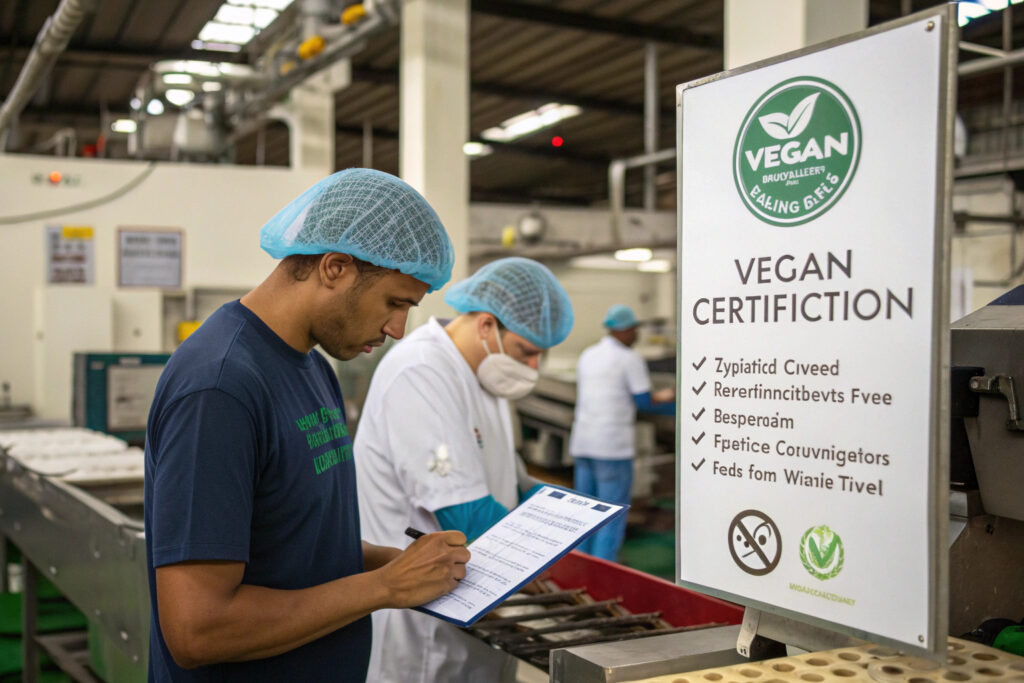
What Are the Key Steps in the Vegan Certification Process?
The certification process typically includes submitting an application, providing material composition reports, and undergoing facility audits. First, compile all data on your socks’ materials, including yarns, dyes, and packaging, to prove they are vegan. Next, the certifying body may conduct on-site inspections to verify that manufacturing lines are free from cross-contamination with non-vegan products. For example, our team helps clients prepare by pre-auditing their orders using our QR code tracking system, which traces each component’s origin. This transparency speeds up approval. Useful references include the Vegan Trademark guidelines and PETA’s vegan certification program, which outline specific requirements for textile products.
How Long Does Vegan Certification Take?
The timeline for vegan certification can range from a few weeks to several months, depending on the complexity of your supply chain and the certifying organization’s workload. Simple applications with clear documentation might be processed in 4-6 weeks, while those involving multiple suppliers or new materials could take longer. In our experience, partnering with certified suppliers in advance—like our pre-vetted dye houses—can cut this time by up to 50%. We also recommend scheduling audits during off-peak production periods to avoid delays. For ongoing updates, refer to the International Vegan Association and ECOCERT sites, which offer insights into streamlining certification.
What Are the Benefits of Vegan Sock Certification?
Vegan certification isn’t just about ethics; it also offers tangible business advantages, such as accessing niche markets and enhancing brand reputation. For buyers like Ron, who value quality and sustainability, this can be a decisive factor.
Certifying your socks as vegan opens doors to growing consumer segments in regions like the EU and US, where demand for cruelty-free products is rising by over 20% annually. It also differentiates your brand in competitive markets, potentially leading to higher profit margins. Additionally, certification often aligns with eco-friendly practices, such as using recycled materials, which can reduce costs and appeal to environmentally conscious customers.
How Does Vegan Certification Boost Market Appeal?
Vegan certification significantly enhances market appeal by tapping into the values of modern consumers who seek transparency and ethics in their purchases. Certified vegan socks can be marketed as part of a sustainable lifestyle, attracting retailers and end-users who avoid animal products. For instance, our clients have reported a 30% increase in orders from eco-conscious brands after obtaining certification. This label also facilitates entry into premium markets, where consumers are willing to pay more for guaranteed ethical standards. To explore market trends, check the Nielsen reports on sustainable shopping and Veganuary statistics, which highlight the commercial benefits of vegan products.
Can Vegan Certification Reduce Production Risks?
Yes, vegan certification can mitigate production risks by enforcing stricter supply chain controls and transparency. By requiring detailed documentation and regular audits, certification processes help identify potential issues early, such as contaminated materials or unethical suppliers. This proactive approach reduces the likelihood of recalls or brand damage. In our operations, we’ve integrated vegan standards into our overall quality control, which has improved consistency and client satisfaction. For risk management tips, visit the Supply Chain Initiative and Vegan Business Network, which offer resources on maintaining ethical supply chains.
What Challenges Arise in Vegan Sock Production?
While producing vegan socks offers many benefits, it also comes with challenges like sourcing consistent materials and managing costs. Addressing these issues head-on can ensure a smooth certification process and reliable product quality.
Common challenges in vegan sock production include finding reliable suppliers of vegan-friendly dyes and adhesives, as well as controlling costs without compromising ethics. For example, some plant-based materials may have higher initial prices, but bulk sourcing and local partnerships—like our collaborations in Keqiao—can offset this. Additionally, ensuring that all components, such as packaging, are vegan requires thorough checks at every stage.
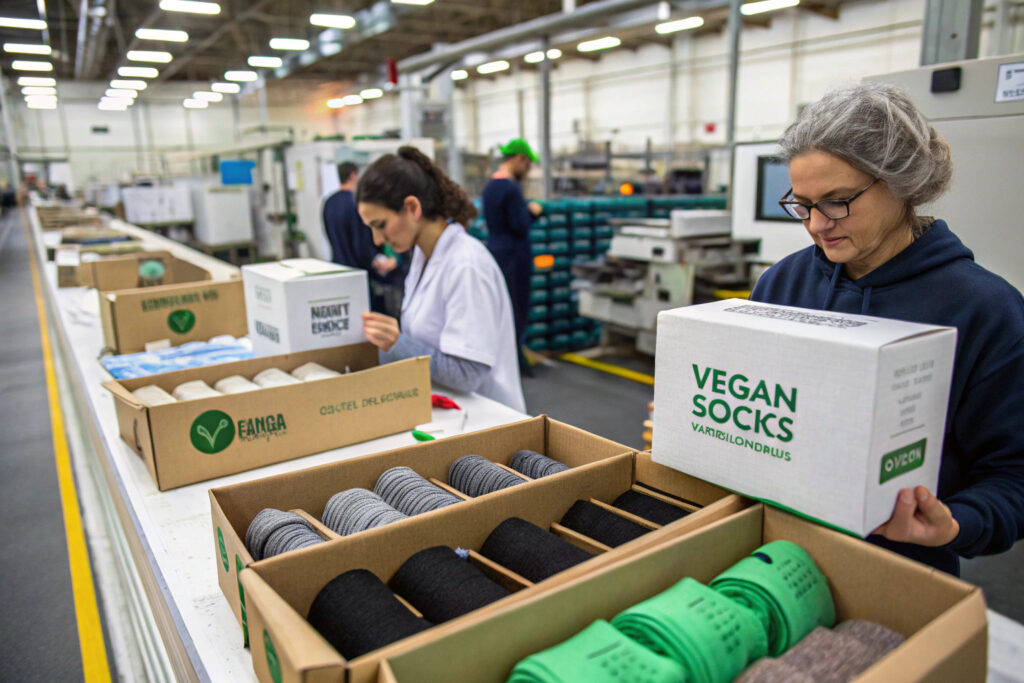
How to Source Affordable Vegan Materials?
Sourcing cost-effective vegan materials involves building long-term relationships with certified suppliers and leveraging economies of scale. At GlobalSock, we use our position in Zhejiang’s textile hub to access a network of providers offering organic cotton and recycled polyester at competitive rates. Buying in bulk and using AI-driven trend analysis to forecast demand also helps stabilize prices. Moreover, investing in local dyeing-weaving partnerships reduces transportation costs and lead times. For sourcing guides, refer to the Textile Genesis platform and Bureau Veritas, which connect buyers with ethical material suppliers.
How to Maintain Consistency in Vegan Production?
Maintaining consistency requires strict quality control measures and continuous supplier evaluations. Implement tracking systems, like our QR code technology, to monitor each batch of materials for composition and origin. Regular audits of manufacturing processes ensure that vegan standards are upheld without variation. For instance, we conduct random tests on sock samples to verify that no animal-based additives are introduced during production. This diligence helps avoid defects and maintains customer trust. For best practices, see the ISO quality management standards and Vegan Certification Europe, which provide frameworks for consistent ethical production.
Conclusion
Certifying socks as vegan is a strategic move that aligns with global trends toward ethical consumerism. By focusing on material selection, certification processes, and overcoming production challenges, you can create products that resonate with buyers like Ron and stand out in competitive markets. This approach not only meets demand but also fosters long-term brand loyalty and sustainability.
If you’re ready to produce your own line of certified vegan socks, partner with us for seamless development and bulk production. Contact our Business Director Elaine at elaine@fumaoclothing.com to discuss how we can bring your ethical fashion vision to life with our end-to-end services.