Varicose veins are a common issue affecting millions, causing discomfort and health risks. Many people struggle to find effective solutions that combine medical benefits with comfort and style. As a leading manufacturer in the socks industry, we understand the importance of developing gradient compression stockings that address these needs. This article will guide you through the process, from design to production, ensuring you get the best product for your customers.
Gradient compression stockings are developed through a meticulous process involving precise pressure mapping, advanced material selection, and rigorous testing to ensure therapeutic efficacy and comfort. Key steps include designing graduated compression levels (e.g., 15-20 mmHg at the ankle to 8-10 mmHg at the calf), using breathable, elastic fabrics like nylon-spandex blends, and incorporating features such as seamless toes and moisture-wicking properties. At GlobalSock, our CNAS-certified lab and agile R&D team enable one-week sample development and bulk production that meets international standards, helping clients avoid US tariffs through optimized logistics.
Choosing the right partner for developing gradient compression stockings can save you time and reduce costs. Let’s explore the essential aspects to consider.
What Are the Key Design Features for Effective Gradient Compression?
Effective gradient compression stockings require specific design elements to provide therapeutic benefits while ensuring user comfort. Poor design can lead to inadequate compression, discomfort, or even skin irritation, which undermines the product’s purpose. By focusing on key features, you can create stockings that effectively manage varicose veins and meet customer expectations.
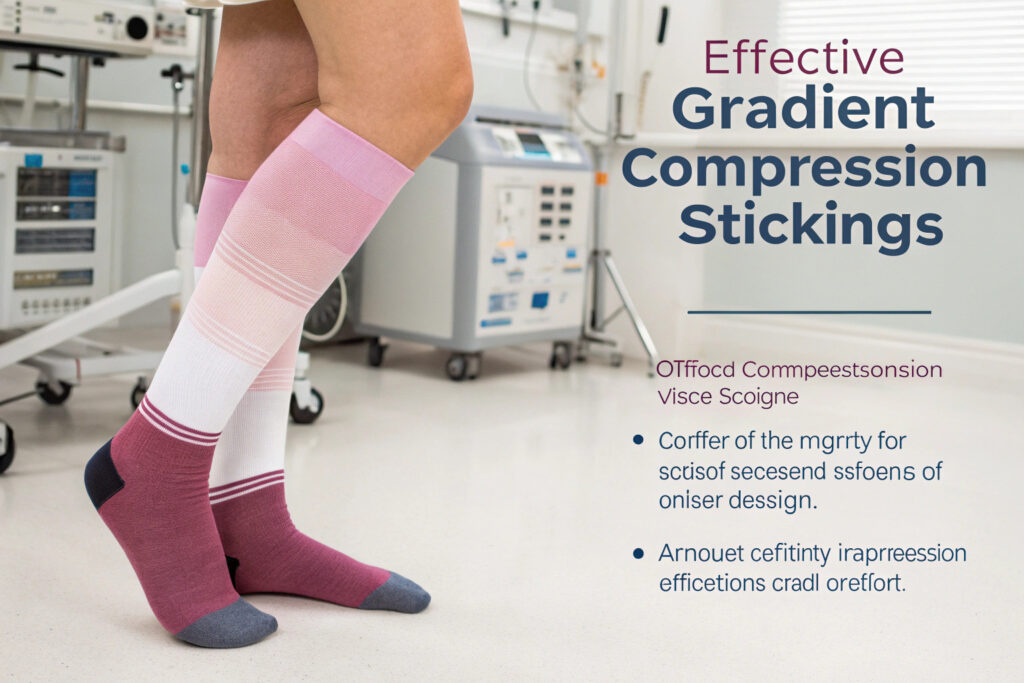
The most critical design feature is graduated compression, which applies the highest pressure at the ankle and gradually decreases up the leg. This design promotes blood flow back to the heart, reducing swelling and pain. Additionally, features like seamless toes prevent bunching and blisters, while reinforced heels and toes enhance durability. At GlobalSock, we use advanced 3D knitting technology to achieve precise pressure zones, ensuring consistent compression that aligns with medical guidelines, such as those from the American Venous Forum for venous disease management.
How Does Graduated Compression Improve Blood Circulation?
Graduated compression works by applying varying levels of pressure to the legs, which helps veins and muscles move blood more efficiently. This is crucial for preventing blood pooling in the lower extremities, a common issue with varicose veins. The higher pressure at the ankle assists in pushing blood upward, while the reduced pressure at the calf allows for easier circulation. Our stockings are designed with exact pressure measurements, often tested in our CNAS-certified lab to ensure they meet standards like 15-20 mmHg for mild compression. This not only alleviates symptoms but also improves overall leg health, making daily activities more comfortable for users.
What Materials Enhance Comfort and Durability?
Selecting the right materials is essential for comfort and longevity. We prefer blends of nylon and spandex for their elasticity and strength, which maintain compression over time. For eco-friendly options, we incorporate organic cotton or bamboo fibers, known for their softness and hypoallergenic properties. These materials offer moisture-wicking and antibacterial benefits, reducing odor and skin irritation. In our development process, we test fabrics for abrasion resistance and colorfastness, ensuring the stockings withstand repeated wear and washing without losing functionality. This focus on material quality helps us deliver products that are both effective and comfortable for long-term use.
How to Select the Right Materials for Compression Stockings?
Choosing appropriate materials is vital for creating compression stockings that are both therapeutic and comfortable. Inadequate material selection can result in poor compression retention, skin allergies, or reduced product lifespan, leading to customer dissatisfaction. By understanding fabric properties and their impact, you can make informed decisions that enhance the overall quality of your stockings.
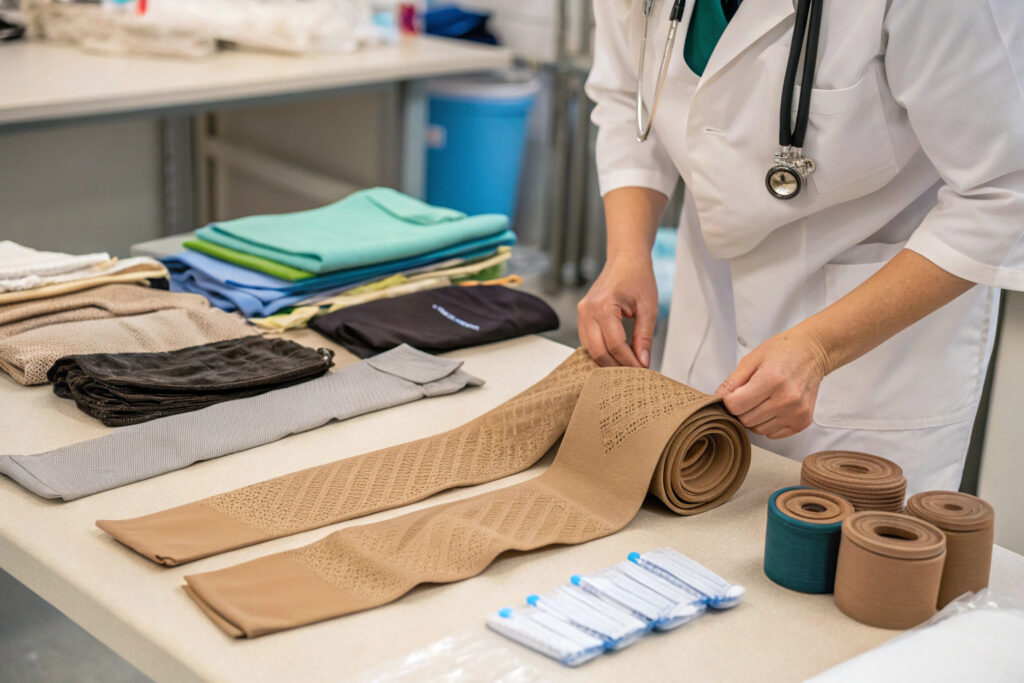
Ideal materials for compression stockings include nylon-spandex blends for elasticity and durability, as well as natural fibers like bamboo or Merino wool for breathability and softness. These fabrics provide the necessary stretch to maintain graduated compression while ensuring comfort against the skin. At GlobalSock, we source certified materials, such as Oeko-Tex Standard 100 compliant fabrics, which are free from harmful substances. Our testing includes checks for moisture-wicking and UV protection, making our stockings suitable for various activities and environments.
Why Are Nylon-Spandex Blends Preferred?
Nylon-spandex blends are popular in compression stockings due to their excellent elasticity and resilience. Nylon offers strength and abrasion resistance, while spandex provides the stretch needed for consistent compression. This combination ensures the stockings retain their shape and effectiveness after multiple washes. In our production, we use high-quality blends that undergo rigorous testing in our lab for parameters like tension and recovery. This guarantees that the stockings deliver reliable performance, whether for medical use or athletic purposes, without compromising on comfort.
How Do Natural Fibers like Bamboo Add Value?
Natural fibers such as bamboo bring added benefits like breathability, moisture-wicking, and antibacterial properties. Bamboo viscose is soft and hypoallergenic, making it ideal for sensitive skin. It also aligns with sustainability goals, as bamboo is a renewable resource. We integrate bamboo into our stockings to enhance comfort, especially for all-day wear. Additionally, we ensure these materials meet eco-certifications like Global Organic Textile Standard (GOTS), appealing to environmentally conscious consumers. This focus on natural fibers not only improves user experience but also supports our commitment to green innovation.
What Manufacturing Processes Ensure Quality and Consistency?
Quality manufacturing processes are crucial for producing reliable gradient compression stockings that perform as intended. Inconsistent production can lead to defects like uneven compression or weak seams, causing product failures and returns. By implementing strict controls and advanced techniques, manufacturers can deliver stockings that meet high standards and build trust with clients.
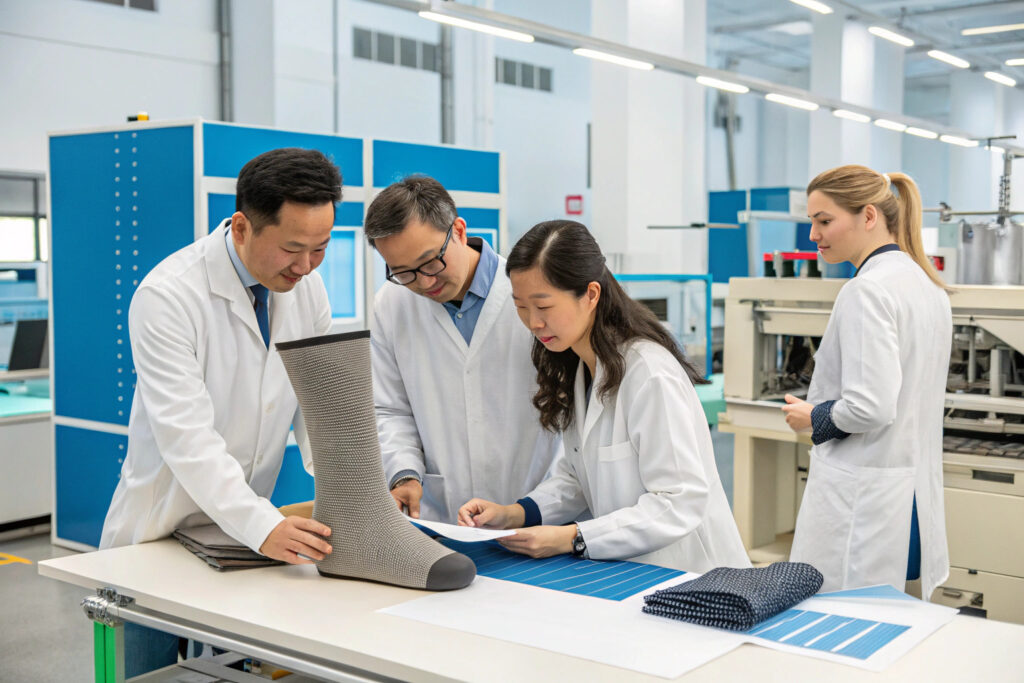
At GlobalSock, we employ automated knitting machines and digital monitoring to ensure each stocking has precise compression levels and seamless construction. Our processes include multiple quality checks, from yarn sourcing to final packaging, supported by our CNAS-certified testing center. We also use QR code tracking for real-time data on composition and safety, achieving a 98% client pass rate. This attention to detail helps us maintain consistency across large orders, whether for small batches or bulk production.

How Does Automated Knitting Improve Precision?
Automated knitting technology allows for exact control over stitch density and pressure distribution, which is essential for graduated compression. These machines create seamless tubes that fit snugly without uncomfortable seams, enhancing user comfort. In our facility, we use state-of-the-art knitting systems that adjust tension in real-time, ensuring each section of the stocking meets design specifications. This reduces human error and increases efficiency, enabling us to handle complex designs and custom orders with ease. As a result, our clients receive products that are both high-quality and cost-effective.
What Role Does Quality Control Play in Production?
Quality control is integral to identifying and addressing issues early in the manufacturing process. We conduct tests for colorfastness, shrinkage, and compression accuracy at every stage, using equipment calibrated to international standards. For instance, we follow ISO 9001 guidelines to manage our quality systems, ensuring reliability and customer satisfaction. By maintaining rigorous checks, we minimize defects and ensure that every pair of stockings performs as expected, providing peace of mind for buyers and end-users alike.
Efficient logistics and tariff management are key to successfully exporting gradient compression stockings to the US. Delays or unexpected costs can disrupt supply chains and erode profits, especially for time-sensitive orders. By leveraging strategic partnerships and trade initiatives, you can streamline shipping and avoid common pitfalls.
We optimize logistics through multimodal transport from Keqiao’s hubs, combining sea and air freight for cost-effectiveness and speed. For tariffs, we classify our stockings under HS codes that minimize duties, such as those for medical hosiery, and utilize "Belt and Road" initiatives to reduce trade barriers. Our partnerships with logistics providers ensure timely delivery, while our financial stability guarantees uninterrupted service. This approach has helped us maintain strong relationships with US clients, who appreciate our reliability and transparency.
What Are the Best Shipping Methods for Socks?
The best shipping methods depend on order size and urgency. For bulk orders, sea freight is economical, while air freight suits smaller, urgent shipments. We work with trusted carriers to offer door-to-door services, including customs clearance and warehousing. Our use of Alibaba’s logistics network facilitates smooth transactions, especially for e-commerce clients. By evaluating factors like lead time and cost, we help clients choose the optimal shipping option, ensuring their products reach the US without delays or excessive expenses.
How Can You Minimize Tariff Costs?
Minimizing tariff costs involves proper product classification and leveraging trade agreements. We ensure our compression stockings are correctly labeled under HS codes that attract lower duties, and we provide documentation for medical exemptions if applicable. Additionally, we advise clients on US tariff regulations to avoid surprises. Our experience in exporting to diverse markets, including the EU and RCEP countries, allows us to navigate complex trade environments efficiently. This expertise not only reduces costs but also enhances the overall value proposition for our partners.
Conclusion
Developing gradient compression stockings for varicose veins requires a holistic approach that combines innovative design, quality materials, precise manufacturing, and efficient logistics. By focusing on these elements, you can create products that offer real health benefits and meet market demands. As a trusted partner, GlobalSock brings over a decade of expertise to the table, ensuring every aspect of production is handled with care and professionalism.
If you’re looking to produce high-quality gradient compression stockings or other socks, we invite you to collaborate with us. Contact our Business Director Elaine at elaine@fumaoclothing.com to discuss your needs and how we can support your success in the industry.