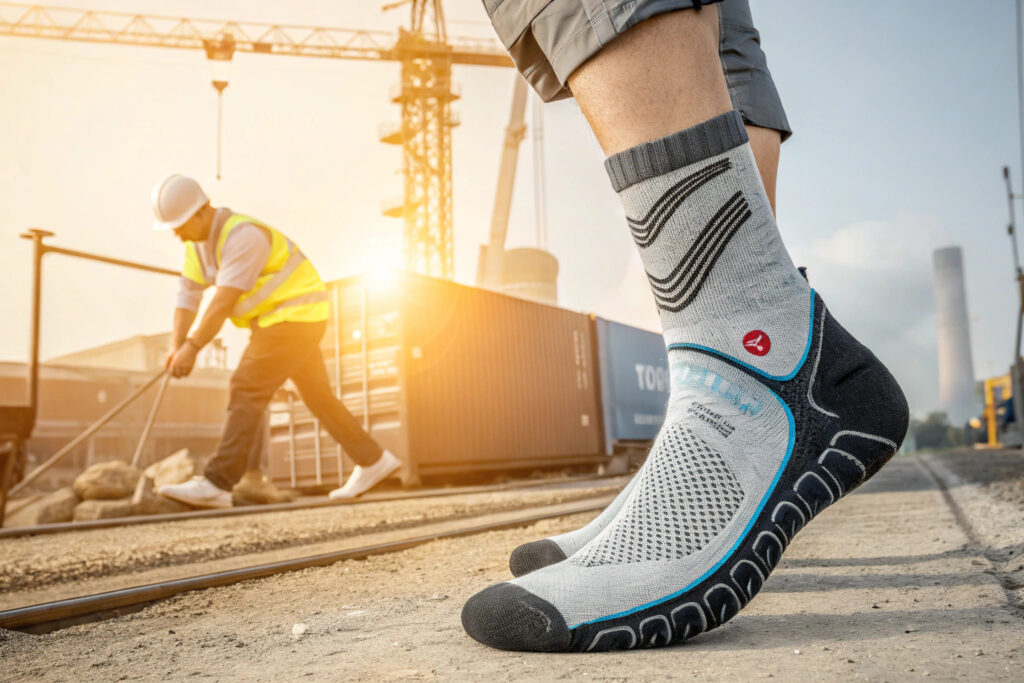
Workers in hot climates face a daily battle against the heat. Their feet, confined inside safety boots for long hours, are particularly vulnerable. This leads to discomfort, excessive sweating, and a higher risk of skin problems. For procurement managers and business owners, this translates into decreased productivity and potential health-related absenteeism among their workforce. The challenge is finding a solution that offers genuine, lasting relief while being practical for industrial use.
The answer lies in developing specialized socks with integrated cooling gel pads. These are not ordinary socks. They are engineered to actively manage foot temperature and moisture. By using advanced fabrics and strategically placed cooling zones, these socks can significantly improve the comfort and well-being of workers in extreme heat. This proactive approach to worker welfare can lead to a more focused and efficient team.
This article will guide you through the entire process of developing these innovative cooling socks. We will cover the essential materials, the smart design features, the rigorous testing needed, and how to find a manufacturing partner who can deliver on both quality and reliability.
What are the key features of cooling gel pad socks?
For workers in scorching environments, standard socks simply don’t cut it. They trap heat and moisture, creating a breeding ground for discomfort. Cooling gel pad socks are a game-changer, designed with specific features to combat heat directly. These features work together to create a microclimate around the foot, keeping it cooler, drier, and more comfortable throughout the longest shifts.
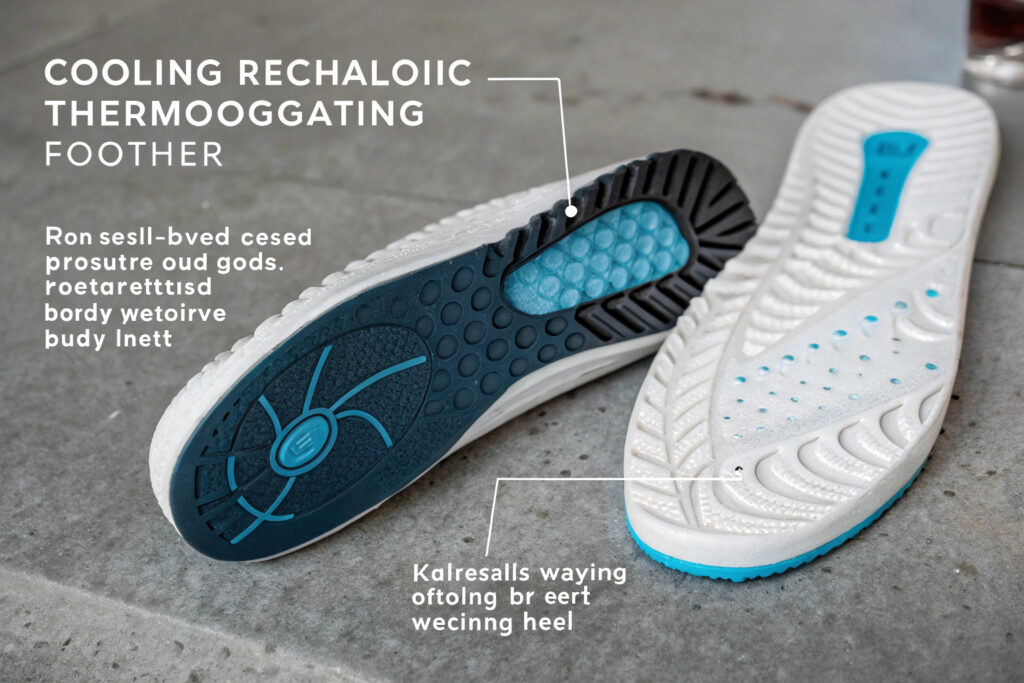
The most important feature is the cooling mechanism itself. This is typically achieved through non-toxic, hydrogel-based pads. These pads are activated by pressure and body heat, drawing warmth away from the skin to provide a sustained cooling sensation. Unlike simply wetting your socks, the gel’s effect is longer-lasting and doesn’t lead to a soggy, uncomfortable feeling. This technology is a cornerstone of advanced thermoregulating footwear.
How does the cooling technology work?
The core of the sock is the cooling gel pad. These pads are made from a water-based hydrogel, which has a high heat capacity. This means it can absorb a significant amount of heat energy before its own temperature rises. When a worker walks, the pressure from their step spreads the gel, maximizing its contact with the foot and enhancing the heat absorption process. This is a form of phase change material that doesn’t melt but effectively manages thermal energy. The result is a cooling effect that can last for hours, providing continuous relief without the need for refrigeration or re-wetting.
What materials ensure durability and comfort?
Cooling is useless if the sock falls apart. That’s why the base fabric is just as critical. We use high-performance blends of moisture-wicking yarns. A common and effective combination is a blend of organic cotton for softness and nylon/spandex for strength and elasticity. The nylon provides exceptional abrasion resistance, crucial for withstanding the rigors of a work boot environment, while the spandex ensures a secure, non-slip fit that prevents bunching and blisters. This material synergy guarantees that the sock remains durable, comfortable, and functional throughout its lifespan.
How to design socks for maximum airflow and cooling?
Design is what transforms advanced materials into a truly effective product. It’s not just about adding gel pads; it’s about integrating them into a structure that promotes overall foot health. A well-designed cooling sock maximizes airflow, ensures the cooling elements work optimally, and provides all-day comfort without any distractions.
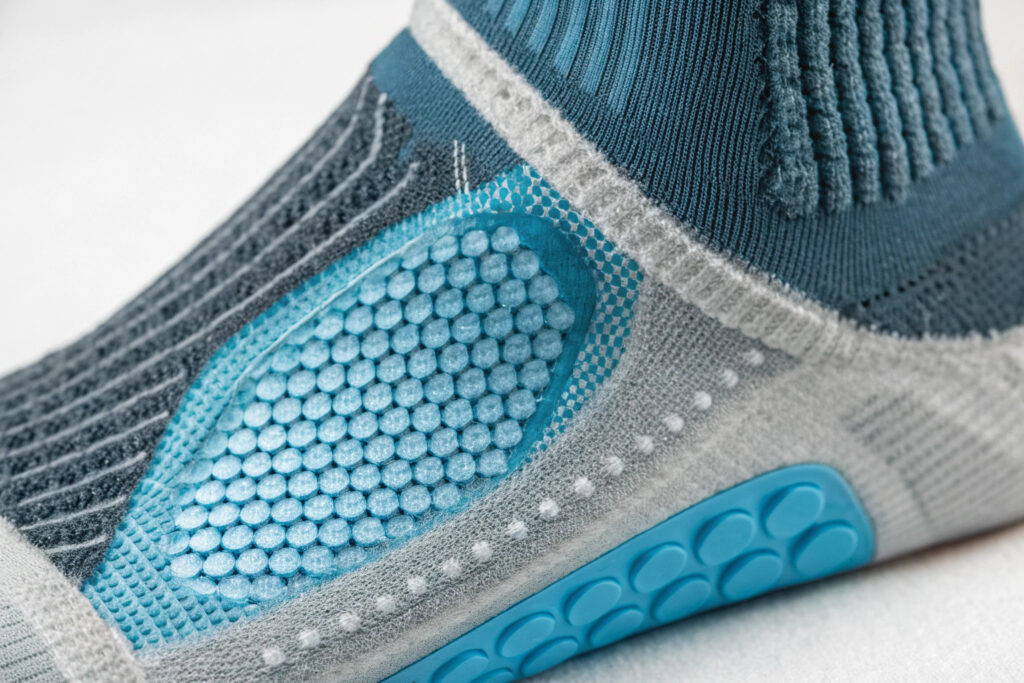
The key is to focus on strategic ventilation and seamless construction. Areas like the top of the foot and around the ankle bone benefit from mesh panels. These panels allow hot air to escape and cooler air to circulate, working in tandem with the cooling gel pads on the sole. Furthermore, a seamless toe closure is crucial. It eliminates the primary point of friction that causes blisters, which is especially important when feet are damp with sweat.
Where should cooling zones be placed?
Placement is a science. The goal is to target the areas with the highest concentration of sweat glands and blood vessels, which are the main sources of heat. The most effective placement for cooling gel pads is on the sole (ball of the foot and heel) and around the ankle. The soles bear the brunt of the body’s weight and generate significant heat from impact and pressure. Cooling the ankles helps regulate the temperature of the blood flowing to the rest of the foot. This strategic arch support and cushioning system ensures comprehensive cooling where it’s needed most.
Why is moisture-wicking fabric essential?
A cooling sock must also be a drying sock. If moisture is trapped, the cooling effect is diminished, and the risk of fungal infections skyrockets. This is where moisture-wicking fabrics come in. These technical textiles, often made from micro-polyester or bamboo blends, pull sweat away from the skin to the outer surface of the sock where it can evaporate quickly. This process, known as capillary action, keeps the skin dry and allows the cooling gel to function more efficiently by dealing with dry heat rather than wet humidity.
What testing is required for durable cooling socks?
Bringing a high-performance product to market requires more than just a good idea; it demands rigorous validation. For cooling socks destined for hard-working individuals, testing is non-negotiable. It ensures the product is safe, effective, and durable enough to be a reliable piece of work gear. Skipping this step can lead to product failure and a loss of trust with your customers.
Testing should be divided into two main categories: performance and durability. Performance testing verifies that the cooling claims are real and long-lasting. Durability testing ensures the sock can withstand the physical demands of the job and that the gel pads remain intact and functional through many washes and wears.

How do you test cooling performance and longevity?
To test cooling performance, we use controlled environmental chambers that simulate hot and humid conditions. We measure the skin temperature of test subjects wearing the socks over a set period, comparing the results to standard socks. For longevity, we conduct abrasion resistance tests using Martindale or Rotary Platform machines to simulate wear and tear. The gel pads themselves undergo repeated wash tests to ensure they do not leak, degrade, or lose their cooling properties over time, guaranteeing a product that delivers on its promise.
What safety and quality certifications are needed?
Certifications are your proof of compliance and safety. For the European and North American markets, key certifications are crucial. The OEKO-TEX Standard 100 certification is essential, as it verifies that the textiles and gel components are free from harmful levels of over 100 regulated substances. For the gel, ensuring it is non-toxic and hypoallergenic is paramount. Additionally, compliance with REACH regulations for chemicals demonstrates a commitment to product safety and environmental protection, building confidence with your buyers and their end-users.
How to source a reliable manufacturer for cooling socks?
The final and most critical step is turning your design and testing specs into a quality product at scale. Finding the right manufacturing partner makes all the difference. A reliable manufacturer does more than just assemble your socks; they bring expertise in material sourcing, production efficiency, and quality control to the table, ensuring you get a consistent and reliable product shipment after shipment.
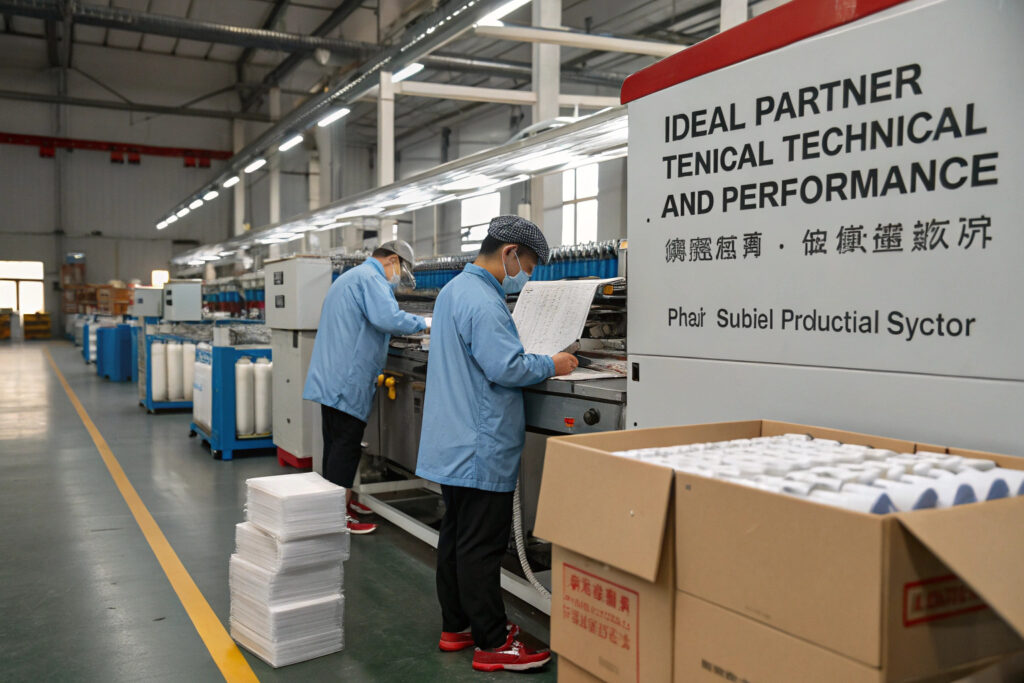
Your ideal partner should have a proven track record in producing technical and performance socks. They should have access to specialized machinery for accurately embedding gel pads and sewing seamless toes. Furthermore, they must have a transparent and robust quality control system in place, from inspecting raw materials to checking the final packaged product. Their experience in handling global logistics for international clients is also a major advantage, ensuring smooth shipping and customs clearance.
What manufacturing capabilities should you look for?
Look for a manufacturer with a comprehensive end-to-end service. This includes in-house design and prototyping, which allows for rapid sample development and iteration. They should have a CNAS-certified or equivalent lab for internal quality and performance testing. Crucially, ask about their experience with the specific materials and technologies you plan to use, such as working with hydrogels and bonding them to textiles. This specialized capability is a strong indicator of their ability to execute your project successfully.
Why are communication and logistics important?
Clear and responsive communication is the backbone of a successful partnership. Your manufacturer should assign a dedicated project manager to your account, ensuring that questions about pricing, production schedules, and sample approvals are answered promptly. On the logistics front, a manufacturer with strong export experience can help you navigate the complexities of international shipping, including choosing the most efficient and cost-effective methods. They can also provide valuable advice on packaging that protects the product during transit and aligns with your branding.
Conclusion
Developing socks with cooling gel pads for hot climate workers is a detailed process that blends material science, thoughtful design, rigorous testing, and expert manufacturing. From selecting the right thermo-regulating gels and moisture-wicking fabrics to validating the product’s durability and cooling claims, every step is crucial to creating a solution that genuinely improves worker comfort and productivity.
If you are looking to develop your own line of high-performance cooling socks or any other custom sock designs, we are here to help. Our team specializes in turning innovative concepts into quality manufactured products. For a direct conversation about your project needs, please contact our Business Director, Elaine, at elaine@fumaoclothing.com. Let’s create something exceptional together.