The textile industry is increasingly adopting sustainable practices. As a socks manufacturer with ten years of experience, I have witnessed this shift firsthand. Many clients now inquire about eco-friendly dyeing options. They want to understand the value proposition. Eco-friendly dyeing utilizes natural or certified synthetic pigments. These materials are safer for the environment and consumers. The initial cost is often higher than traditional methods. However, the benefits include regulatory compliance and market appeal. This analysis examines the cost-benefit balance for business decision-makers.
Eco-friendly sock dyeing employs sustainable pigments such as plant-based extracts and certified synthetic dyes. The primary cost drivers include premium raw materials and certification processes. The significant advantages encompass compliance with international standards and enhanced brand perception. For wholesalers and brands, this balance delivers long-term competitive value and market positioning.
Understanding this equilibrium supports informed business choices in a evolving marketplace.
What are the best eco-friendly dyeing methods for socks?
Selecting appropriate dyeing methods is fundamental to sustainable production. The optimal approaches minimize resource consumption. They also reduce chemical discharge. We implement technologies that achieve vibrant colors responsibly. The choice depends on several factors. These include fabric composition and design requirements. Market certifications also influence the decision.
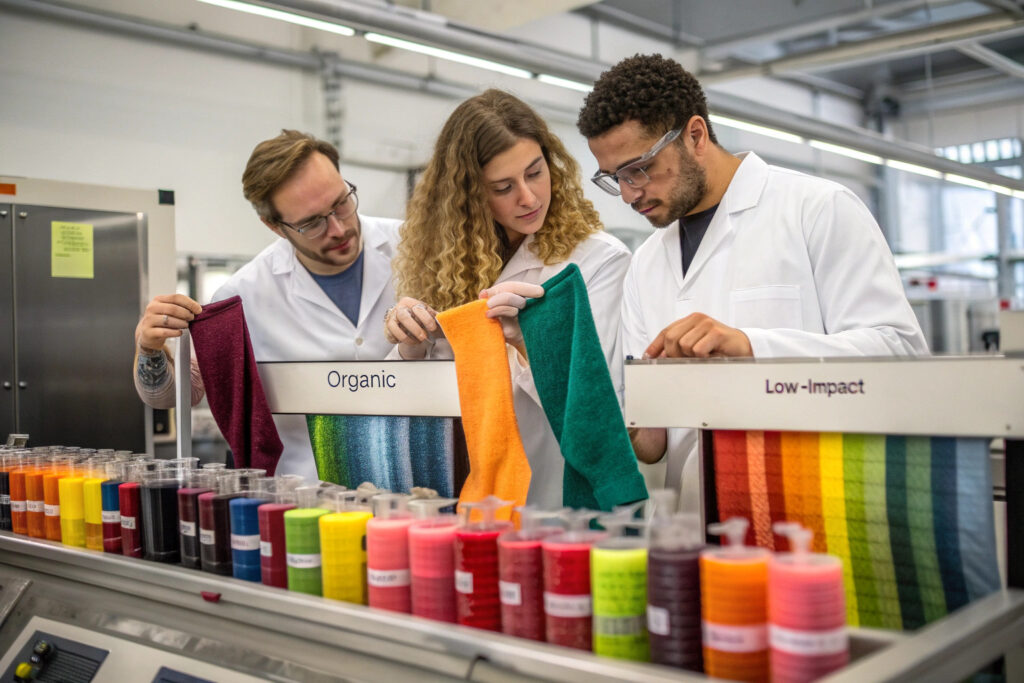
Natural dyes originate from botanical and mineral sources. They offer complete biodegradability. Low-impact synthetic dyes provide superior color consistency. They adhere to strict ecological manufacturing standards. For high-volume performance sock orders, synthetic options often prove more reliable.
How do natural dyes compare to low-impact synthetics?
Natural dyes provide authentic organic credentials. Sources include indigo plants and turmeric roots. However, natural dyes present challenges in color uniformity. Different batches may show slight variations. The color fastness properties are often inferior to synthetic alternatives. This affects the product’s longevity.
Low-impact synthetic dyes demonstrate high fiber affinity. Their absorption rate exceeds seventy percent. This characteristic minimizes dye effluent. These dyes exclude heavy metals and restricted substances. They are ideal for athletic socks requiring durable coloration. The dyes support compliance with OEKO-TEX Standard 100.
What machinery is required for sustainable sock dyeing?
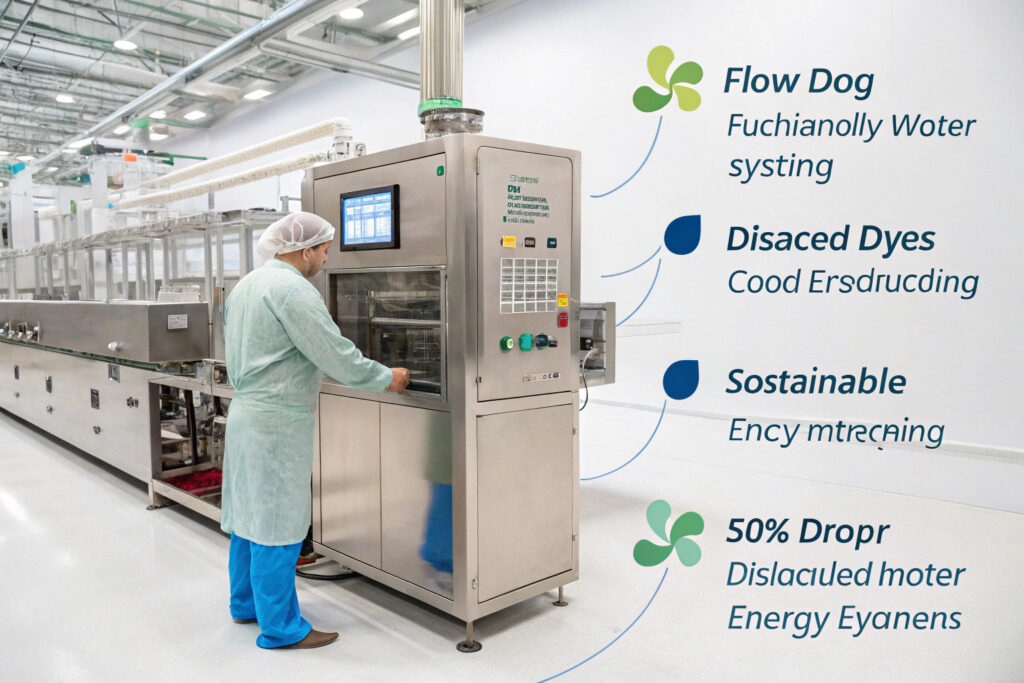
Modern dyeing equipment ensures ecological efficiency. Computer-controlled systems provide precise process management. They regulate temperature and chemical dosage accurately. This precision reduces resource waste significantly.
Closed-loop water systems enable water recycling. They dramatically decrease freshwater consumption. Low-liquor ratio machines suit small production runs. They optimize water usage during sampling phases. The capital investment is substantial. However, operational savings and sustainability benefits justify the expenditure.
Is the cost of eco-friendly dyes justified for bulk orders?
The cost-benefit analysis favors eco-friendly dyes for volume production. The price premium ranges from twenty to fifty percent. This increase affects total order cost substantially. However, businesses should consider comprehensive value creation.
Regulatory compliance represents a major advantage. International markets continue tightening chemical restrictions. Certified dyes ensure uninterrupted market access. Consumer preference for sustainable goods is growing steadily. This trend supports premium pricing strategies.
How does dye selection influence final product pricing?
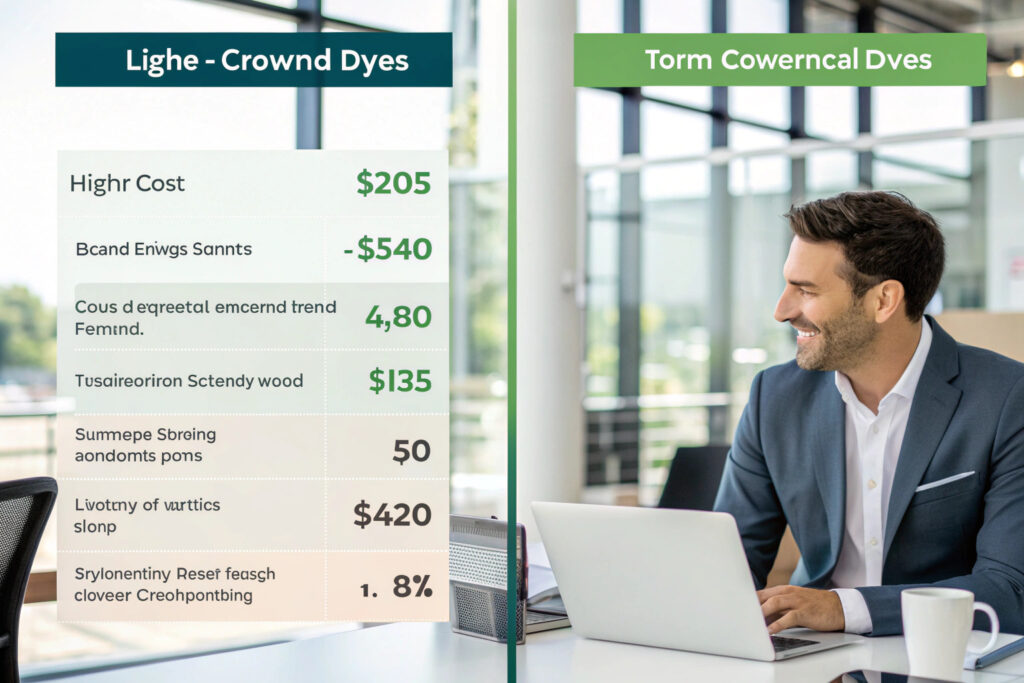
Dye type directly determines cost structure. The table below illustrates typical cost impacts:
| Dye Category | Price Premium | Application Context |
|---|---|---|
| Low-Impact Synthetics | 20-30% | High-volume performance socks |
| Natural Dyes | 50-100% | Organic marketing positioning |
Natural dyes command higher prices due to limited availability. Their application often requires additional processing steps. Low-impact synthetics offer a balanced solution. They provide environmental benefits without excessive cost escalation.
Can sustainable practices generate operational savings?
Efficient processes yield tangible economic benefits. Advanced dyeing machinery reduces utility consumption. Water usage decreases by up to fifty percent. Energy requirements drop by approximately thirty percent. These reductions lower operational expenses over time.
Sustainable practices also mitigate regulatory risks. They prevent potential fines for non-compliance. Businesses achieve greater supply chain stability. This alignment with industry initiatives like the Sustainable Apparel Coalition creates additional value.
What are the concrete advantages for international buyers?
International buyers gain distinct competitive benefits. Certified eco-friendly socks streamline customs clearance. They meet stringent import regulations automatically. This reliability addresses a critical pain point for global sourcing.
Sustainability certifications enhance brand storytelling. Marketing communications can leverage verified environmental claims. This differentiation helps capture market share in conscious consumer segments. It also supports margin improvement through value-based pricing.
How do eco-dyes strengthen brand identity and compliance?
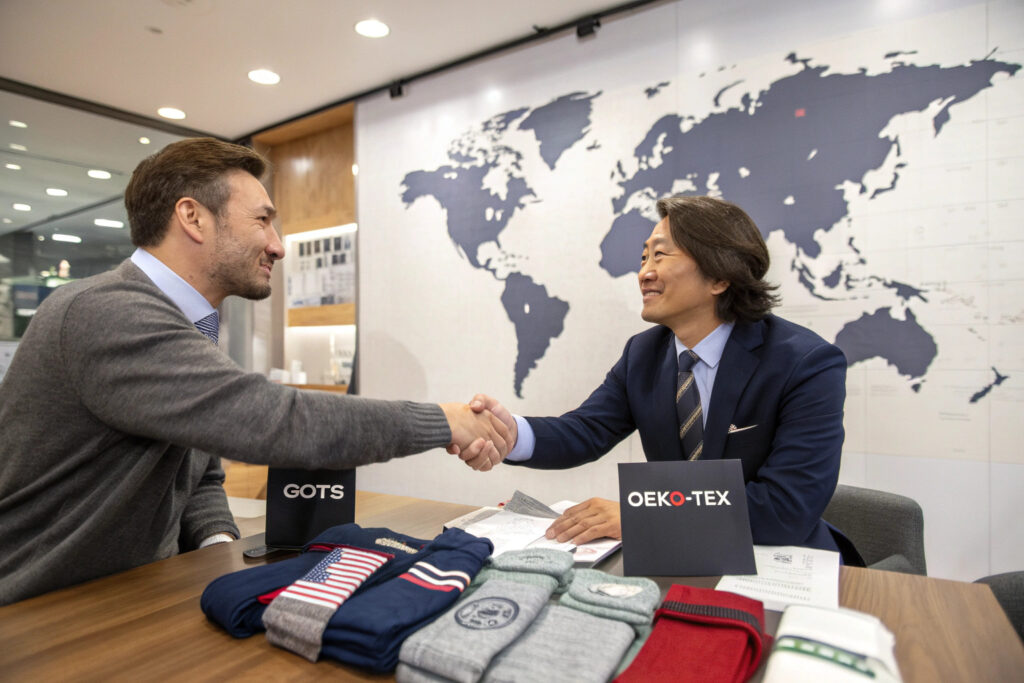
Eco-dyes provide verifiable sustainability credentials. Certification documents support marketing claims effectively. This transparency builds consumer trust and brand loyalty. It demonstrates corporate responsibility meaningfully.
Regulatory frameworks evolve continuously. Our CNAS-accredited laboratory conducts rigorous testing. This ensures ongoing compliance with standards like REACH. Buyers avoid product recalls and legal complications through this proactive approach.
Market data confirms this pricing potential. Consumers display willingness to pay price premiums. Studies indicate particularly strong trends in European and American markets. Eco-friendly socks occupy higher price segments successfully.
This strategy benefits various business models. Startup brands use it for market entry. Established brands employ it for product line extension. Retailer sustainability mandates make certified products increasingly essential.
How to identify reliable eco-friendly dye suppliers?
Supplier selection requires careful evaluation. Consistent quality and dependable supply are paramount. We establish long-term partnerships with certified suppliers. This ensures production stability and product consistency.
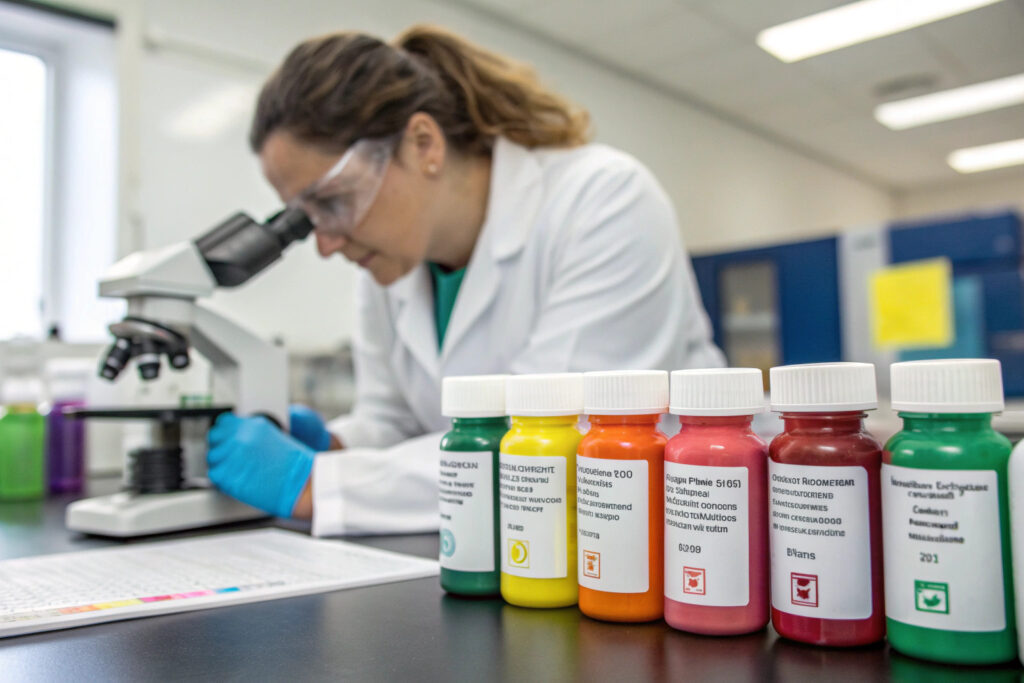
Verification processes are critically important. Reputable suppliers provide comprehensive documentation. We conduct regular supplier audits and incoming material inspections. This systematic approach guarantees dye performance and safety.
Which certifications indicate supplier reliability?
Three certifications demonstrate supplier credibility effectively:
- GOTS certification covers the complete production chain
- OEKO-TEX ECO PASSPORT verifies chemical safety
- BLUESIGN certification assesses environmental impact
These certifications provide independent verification. They represent non-negotiable requirements in our supplier selection process. This ensures consistent quality and environmental responsibility.
Why is verification essential for quality assurance?
Certification documents require practical validation. Our laboratory performs multiple performance tests. We evaluate color fastness under various conditions. We analyze chemical composition thoroughly. This two-tiered approach combines documentation with empirical testing.
This methodology protects brand reputation effectively. It ensures product performance meets customer expectations. It minimizes the risk of quality issues in the market.
Conclusion
Eco-friendly dyeing represents a strategic business investment. The cost premium delivers substantial returns through regulatory compliance and market differentiation. This approach future-proofs business operations against evolving market demands.
Our company specializes in sustainable sock manufacturing. We invite you to develop your eco-friendly sock collection. Please contact Business Director Elaine at elaine@fumaoclothing.com. Let us transform your sustainable vision into market-ready products.