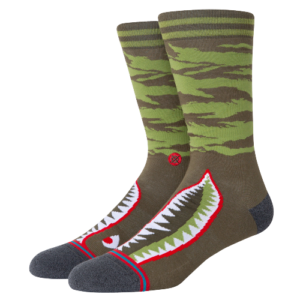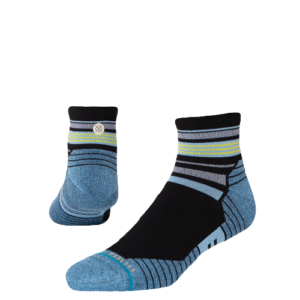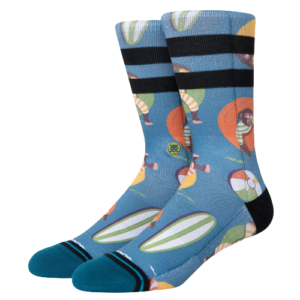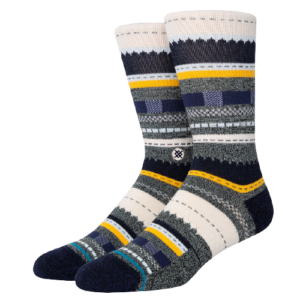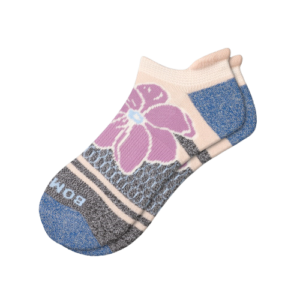
In the competitive sock manufacturing industry, color is more than a design element—it is a brand promise. A bright, vibrant pair of socks may grab a buyer’s attention, but if those colors bleed or fade after the first few washes, that attention quickly turns into disappointment. Customers in the U.S., Europe, and other global markets expect their purchases to maintain appearance for months, if not years.
At GlobalSock, we treat colorfastness as a critical quality standard. With over 10 years of expertise in Keqiao, Zhejiang—the world’s largest socks & stockings production hub—we know that ensuring consistent and reliable dye performance is not optional. It is the difference between repeat orders and rejected shipments.
Our approach combines internationally recognized testing standards (AATCC, ISO) with in-house CNAS-accredited laboratory checks. This allows us to offer our partners confidence that every pair of socks meets or exceeds market requirements before shipment.
Understanding Colorfastness in Socks
Colorfastness is the resistance of a textile’s color to fading or bleeding during use, washing, exposure to light, and contact with perspiration. For socks, which experience constant friction inside shoes and frequent laundering, this property is essential for maintaining appearance and customer satisfaction.
In short: colorfastness ensures your socks look as good after 20 washes as they did the day they left the factory. This matters not only for fashion socks but also for athletic, outdoor, and work socks where appearance and performance are equally important.
What Factors Influence Sock Colorfastness?
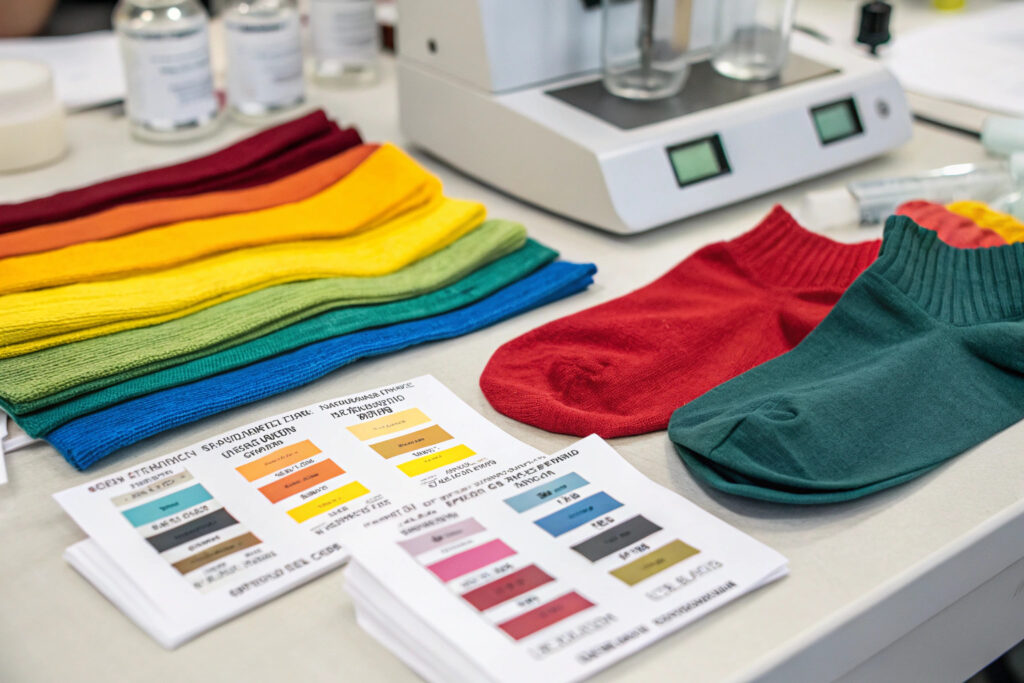
Several elements determine whether a sock’s color will hold up:
- Dye Type: Reactive dyes generally bond more strongly with cotton fibers than direct dyes, improving wash performance.
- Fiber Type: Natural fibers like cotton absorb dyes differently than synthetic fibers such as polyester or nylon.
- Dyeing Method: High-temperature dyeing often results in deeper penetration and better fixation.
- Finishing: Post-dye treatments, such as resin finishing or color fixatives, enhance dye stability.
For a deeper dive into dye-fiber chemistry, visit Textile World or explore technical studies on Sustainable Textile School.
Why Is Colorfastness Critical in Premium and Sports Socks?
Sports socks endure constant abrasion, perspiration, and exposure to detergents. Without high colorfastness, colors may bleed into shoes or fade unevenly, making them look worn prematurely. Premium brands targeting outdoor or high-performance markets also require UV resistance to prevent sun-induced fading. Learn more from Outdoor Industry Association and review innovations at Performance Days.
Key Testing Methods for Sock Dyeing
To ensure compliance with global standards, we conduct multiple standardized tests, each designed to simulate real-world conditions. These methods identify potential issues before production scaling.
How Does the Washing Colorfastness Test Work?
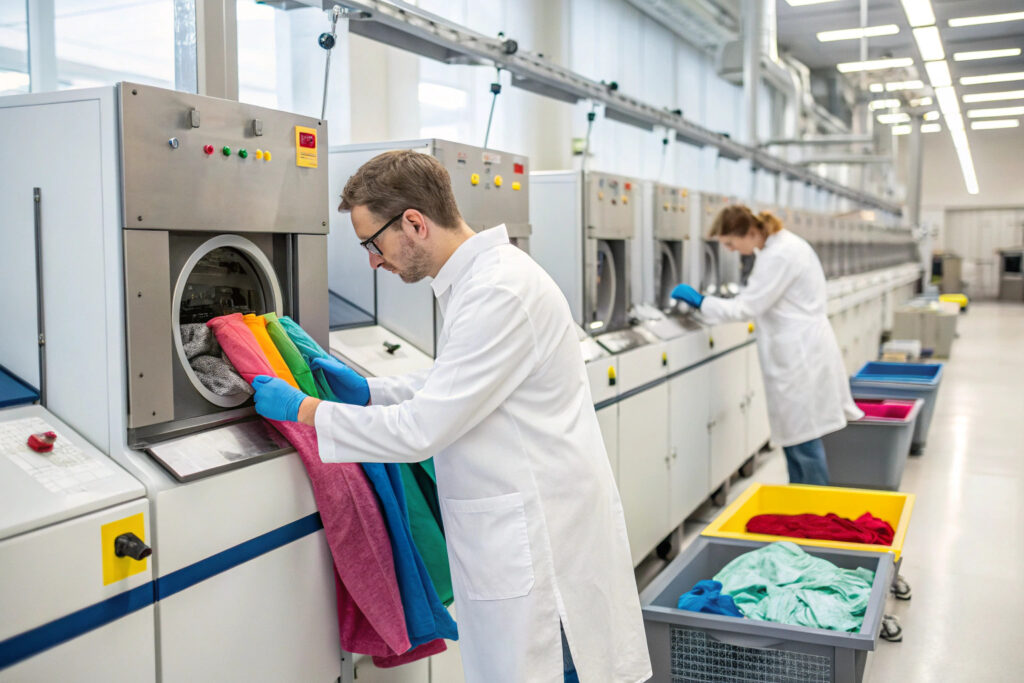
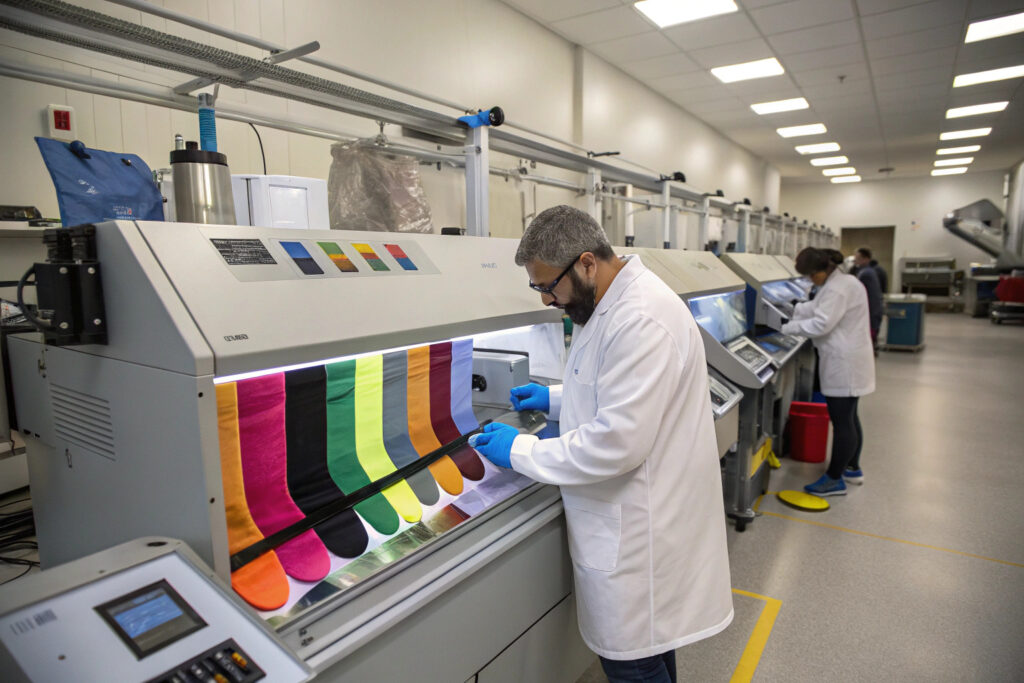
This test measures how well dyed socks retain color after repeated laundering. Samples are washed under controlled conditions with standardized detergents, then graded using a gray scale for color change and staining.
Learn more about this method in the AATCC Technical Manual and see its consumer impact at Cotton Incorporated.
What Is the Rubbing (Crocking) Test?
The crocking test evaluates how much color rubs off onto another material when the sock is dry or wet. This is vital for dark-colored socks, which could transfer dye to shoes or skin. The crockmeter applies standardized friction to assess staining levels. For more details, see ISO Colorfastness Standards and American Association of Textile Chemists and Colorists.
Advanced Equipment for Accurate Colorfastness Testing
We use high-precision equipment to replicate years of wear and washing in hours, allowing for consistent quality across large production runs.

How Is Lightfastness Measured?
Lightfastness testing uses xenon arc lamps to simulate sunlight. Socks are exposed to UV light for set periods, and fading is compared to standardized scales. This is critical for outdoor and fashion socks. See more on Atlas MTT and learn best practices from Textile Testing International.
Why Conduct Perspiration Colorfastness Tests?
These tests replicate the chemical effect of sweat on fabric dyes. Socks are soaked in acidic and alkaline solutions and then pressed under controlled heat. This is vital for sports socks and high-humidity climates. Read further at Intertek and SGS Textile Testing.
Best Practices to Improve Sock Colorfastness
Improving colorfastness requires a comprehensive approach—starting from material selection to final finishing.

Which Dyeing Techniques Offer the Best Durability?
Reactive dyeing for cotton and solution dyeing for synthetics yield superior results. They ensure deeper dye penetration and better bonding. Explore more on Dystar and eco-focused solutions on OEKO-TEX.
How Do Post-Treatments Enhance Performance?
Post-dyeing treatments, such as UV-blockers, antimicrobial finishes, or moisture-repellent coatings, can significantly improve both colorfastness and overall sock life. Learn more at Archroma and Huntsman Textile Effects.
Conclusion
In the socks industry, colorfastness is not just a technical metric—it is a trust signal. A pair of socks that maintains its vibrant color after dozens of washes reflects a manufacturer’s commitment to quality and performance.
At GlobalSock, we combine advanced dyeing techniques, CNAS-certified testing, and strict adherence to global standards to deliver socks that meet the most demanding client expectations.
If you want to develop socks that pass the toughest U.S. and EU colorfastness requirements, contact our Business Director Elaine at elaine@fumaoclothing.com to start your production with Shanghai Fumao today.