In the global socks industry, ethics is no longer a choice—it’s a demand. Buyers like Ron, 44, from the U.S. care not only about product quality but also about how those socks are made. From unsafe labor conditions to unsustainable materials, sourcing socks from unethical factories can damage your brand’s reputation and cost you customers.
Ethical production in wholesale sock manufacturing means transparency, fair labor, and sustainable practices integrated across sourcing, manufacturing, and shipping. It builds brand trust and resilience against regulatory risks.
With increased consumer scrutiny and regulations like California’s SB62 and the EU’s Deforestation-Free Regulation, retailers and sourcing managers need to know their factories are walking the talk. Here’s how we at GlobalSock ensure every pair of socks meets global ethical standards—and how you can spot the difference when selecting your supplier.
What Certifications Should a Sock Factory Have?
Certifications aren’t just logos—they’re legal shields. They’re the first proof a factory operates ethically, respects labor rights, and follows environmental protocols. Still, not all certificates are created equal.
Reputable sock manufacturers should be certified by global standards such as BSCI, GOTS, OEKO-TEX, and ISO, each validating a different ethical domain—labor, environment, safety, or quality control.
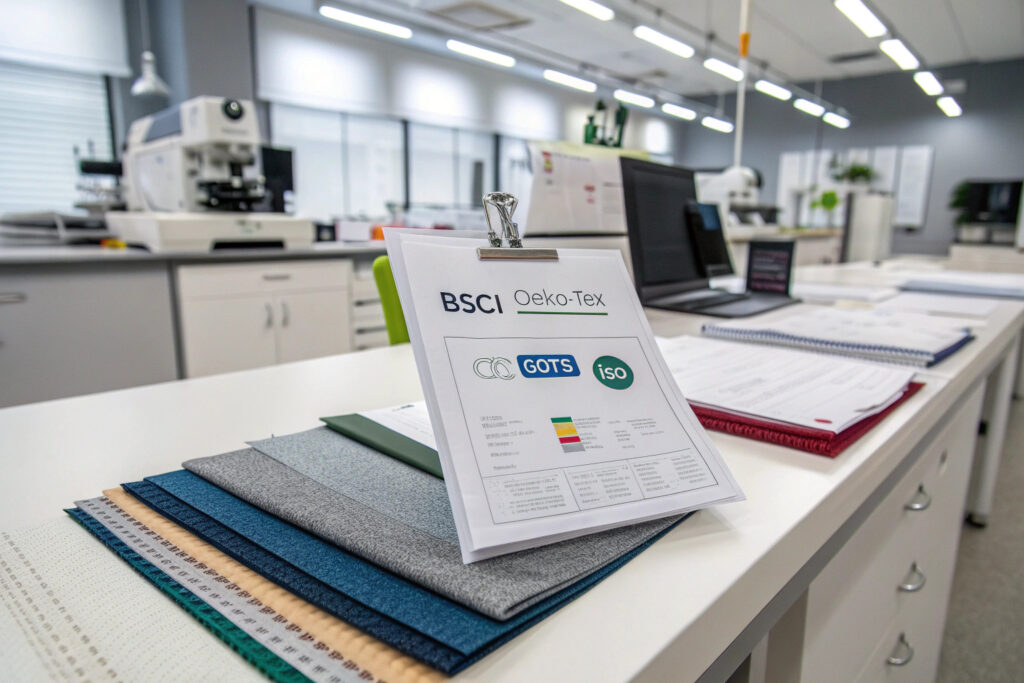
Why Does BSCI Matter for Labor Ethics?
The BSCI (Business Social Compliance Initiative) is one of the most recognized labor ethics audits in textile manufacturing. It monitors working hours, fair wages, fire safety, freedom of association, and absence of child labor. Factories passing BSCI audits reduce your risk of reputational harm when news breaks of forced labor.
You can also explore Sedex’s SMETA, which covers broader environmental and health standards.
Is OEKO-TEX Standard 100 Enough for Safety?
OEKO-TEX Standard 100 ensures every yarn, dye, and final sock touches skin without risk of toxins. This certification is crucial for children’s socks and medical socks alike.
In our CNAS-certified lab, we double-test for OEKO compliance using international protocols. Amazon and Walmart’s supply networks demand this safety transparency.
How Do You Verify Ethical Yarn and Dye Sources?
Raw materials determine more than just comfort. They determine the ethics of your supply chain. Without verified sustainable yarns, your "eco-friendly" claims can backfire.
To ensure ethical sourcing, verify yarn origin, chemical treatment, and traceability of the supply chain. Recycled, organic, and FSC-certified fibers offer a reliable starting point.
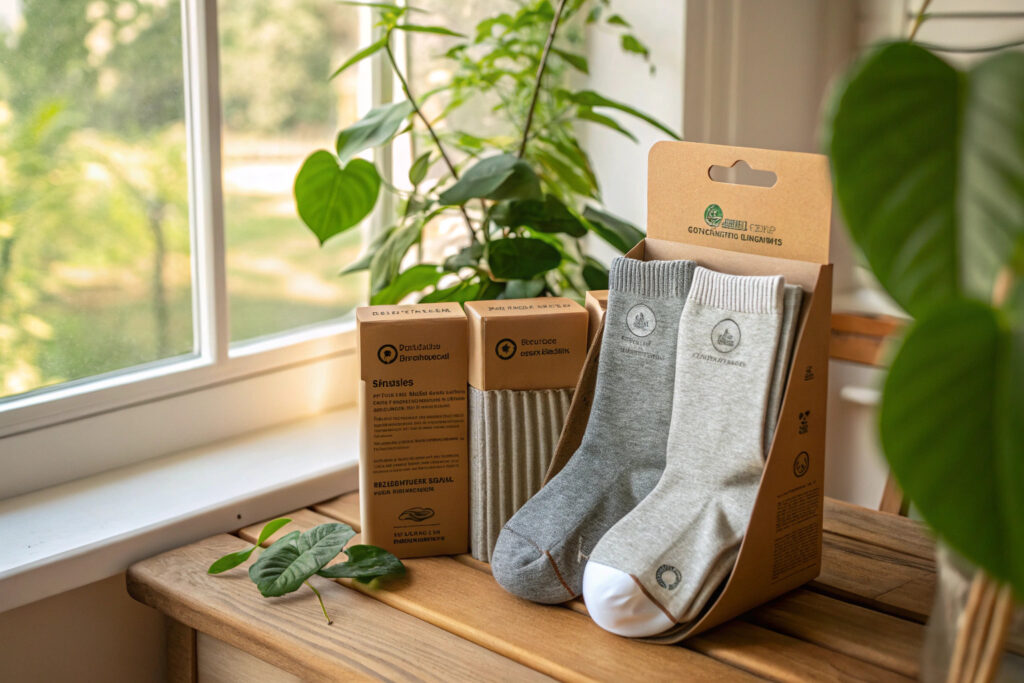
Can You Trust Recycled or Organic Yarn Claims?
We work with GOTS-certified organic cotton and GRS-certified recycled polyester. The GOTS standard verifies the fiber origin and full chain of custody. Similarly, the GRS program ensures recycled content is not blended with virgin materials post-certification.
This integrity protects you from greenwashing accusations while unlocking EU sustainability rebates.
What About Ethical Dyeing Processes?
ZDHC protocols ensure that no harmful chemicals enter rivers or local communities. We partner with dye facilities certified by ZDHC and employ closed-loop water reuse systems.
Low-impact, azo-free dyes maintain color brilliance while cutting carbon. It’s how we deliver on both ethics and vibrant fashion palettes.
Why Is Factory Transparency So Important?
Today, customers want to know who made their products and how. Transparent factories provide access, data, and policies that ensure ethical compliance.
Transparency in sock manufacturing includes digital production tracking, real-time QR code traceability, and open audit reports—offering full visibility into every production stage.
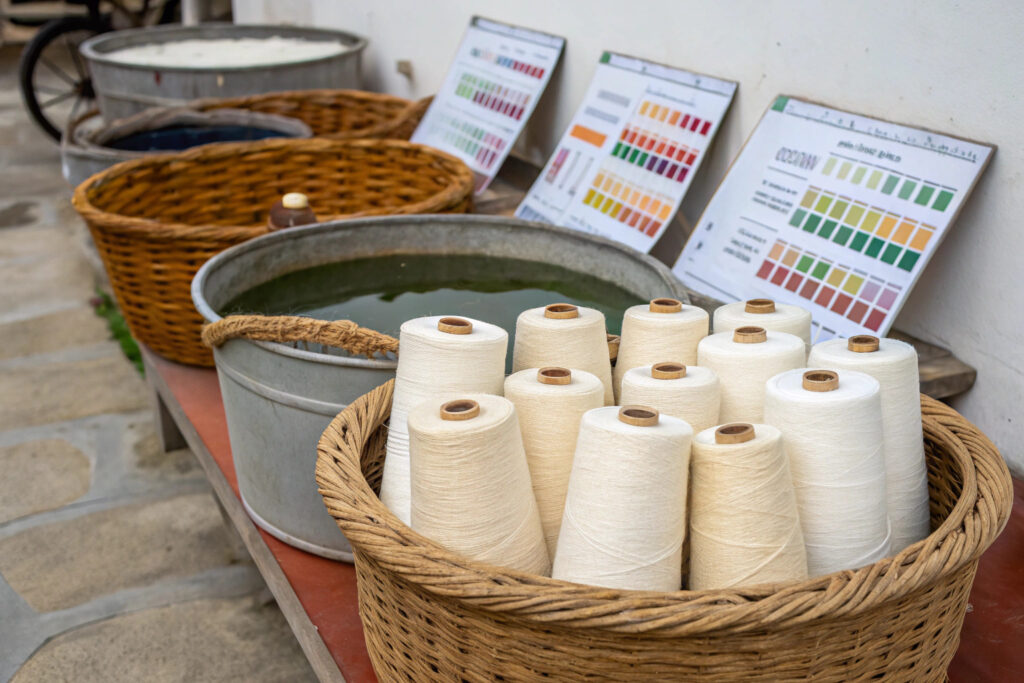
How Can You Trace the Production Process?
We embed QR codes on every batch and shipping label. Buyers can scan and instantly access fabric origin, testing results, and batch timelines.
Companies like Trustrace and Pivot88 power similar traceability in supply chains from Patagonia to Puma.
We also use these platforms to integrate our trace data with global buyers for seamless ESG compliance.
Are Virtual Factory Tours Reliable?
Patagonia’s factory transparency sets the bar. We provide virtual factory tours using 360° video, real-time QA feeds, and pre-recorded walkthroughs.
This lets international clients verify ethical conditions, machine setup, and packaging stages—without leaving their desk.
How to Build Long-Term Ethical Partnerships?
Ethical production doesn’t end at certification—it thrives on relationships. Buyers need to engage with suppliers who uphold values over time, not just pass audits once.
Long-term partnerships rooted in ethics ensure stability, quality consistency, and shared growth. Clear contracts, shared ESG goals, and collaborative sourcing create lasting trust.
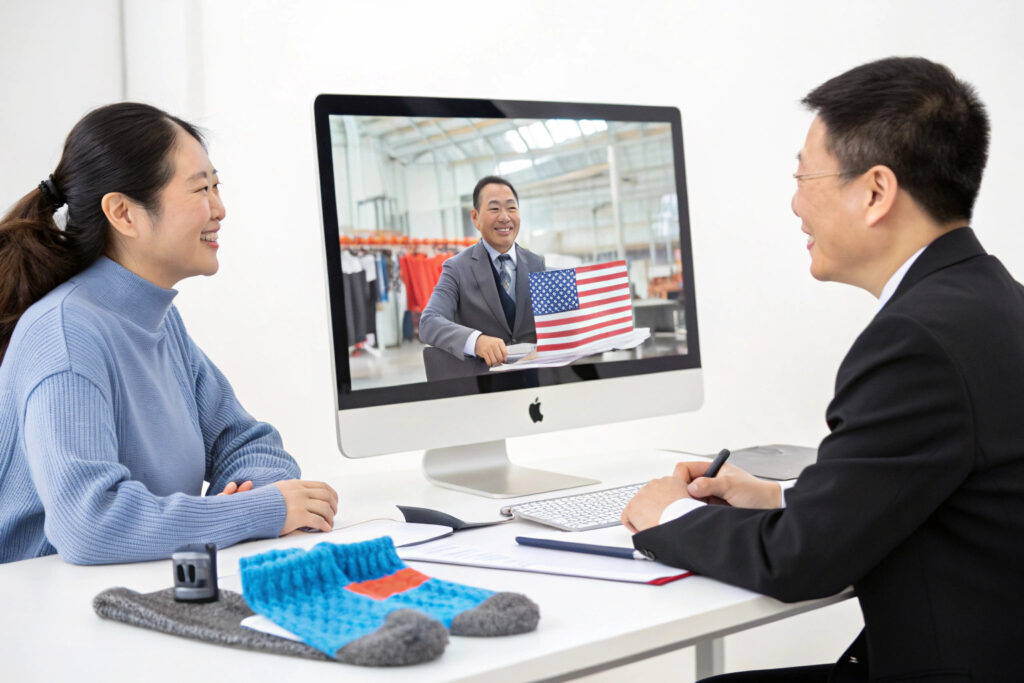
What Should Be in Your Supplier Agreement?
An ethical sourcing contract should include:
| Key Clause | Purpose |
|---|---|
| Code of Conduct | Aligns labor & environmental values |
| Audit Rights | Allows annual 3rd-party reviews |
| Corrective Action Plan | Addresses violations before escalation |
| Supplier Transparency | Enforces traceability and reporting |
Templates and best practices can be found through the Ethical Trading Initiative.
We localize each contract per client with custom compliance scorecards.
How Do You Monitor Factories Year-Round?
We’ve partnered with LaborVoices to gather anonymous worker feedback. Combined with surprise in-house audits, this allows us to catch and resolve issues before they escalate.
With UL Responsible Sourcing, we deliver quarterly compliance dashboards showing real-time metrics for emissions, safety, and water use.
Conclusion
Ethical sock manufacturing is no longer an afterthought—it’s your brand’s backbone. By verifying certifications, sourcing responsibly, offering production transparency, and building ethical relationships, we ensure your socks make a global impact without ethical compromise.
If you’re ready to launch your own responsible sock line or upgrade to a more sustainable supply partner, connect with Shanghai Fumao. Reach our Business Director Elaine at elaine@fumaoclothing.com and start your ethical production journey today.