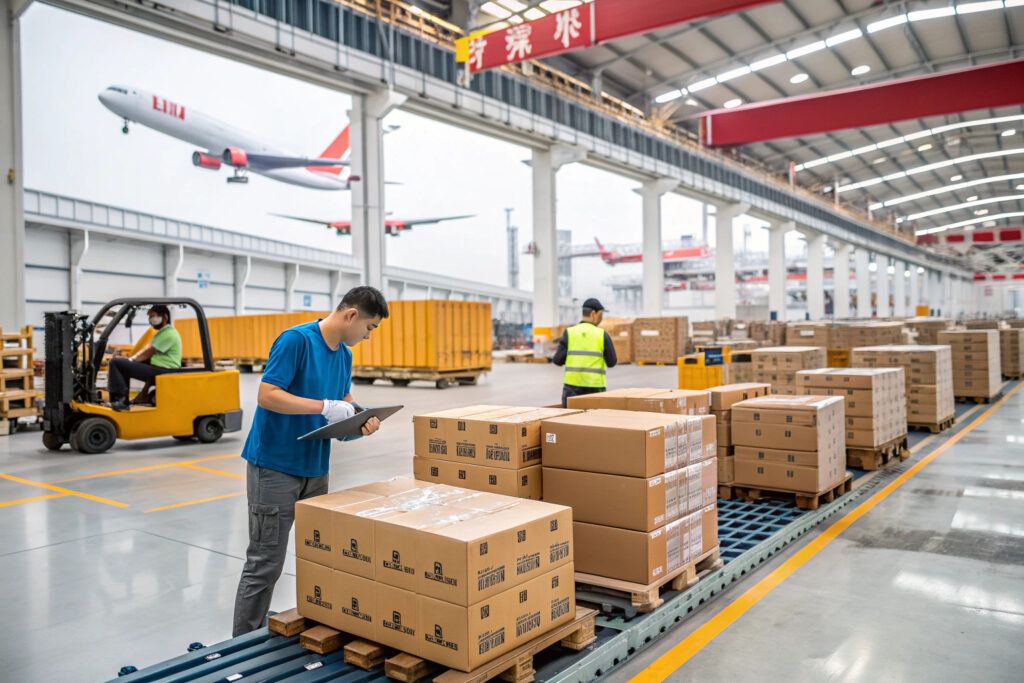
From rising U.S. tariffs to stricter customs clearance procedures, shipping socks from China to the USA isn’t just about finding the cheapest route anymore—it’s about choosing the smartest one. Whether you’re a veteran buyer or just entering the game, a lack of strategic shipping planning can erode your margins, slow down inventory turnover, and risk lost sales opportunities.
The best way to ship socks from China to the U.S. is by leveraging integrated doorstep delivery strategies that combine customs clearance, DDP shipping, real-time tracking, and multimodal transport hubs based in regions like Keqiao. These solutions ensure cost control, compliance, and speed.
If you’re sourcing socks for eCommerce, retail chains, or promotional campaigns, it’s critical to streamline the shipping experience from factory to front door. In this article, I’ll walk you through every essential step—from Incoterms to last-mile delivery. I’ll also explain why partnering with a vertically integrated supplier like us at GlobalSock can reduce your workload and unlock faster ROI.
What Are the Most Reliable Incoterms for Socks Shipping?
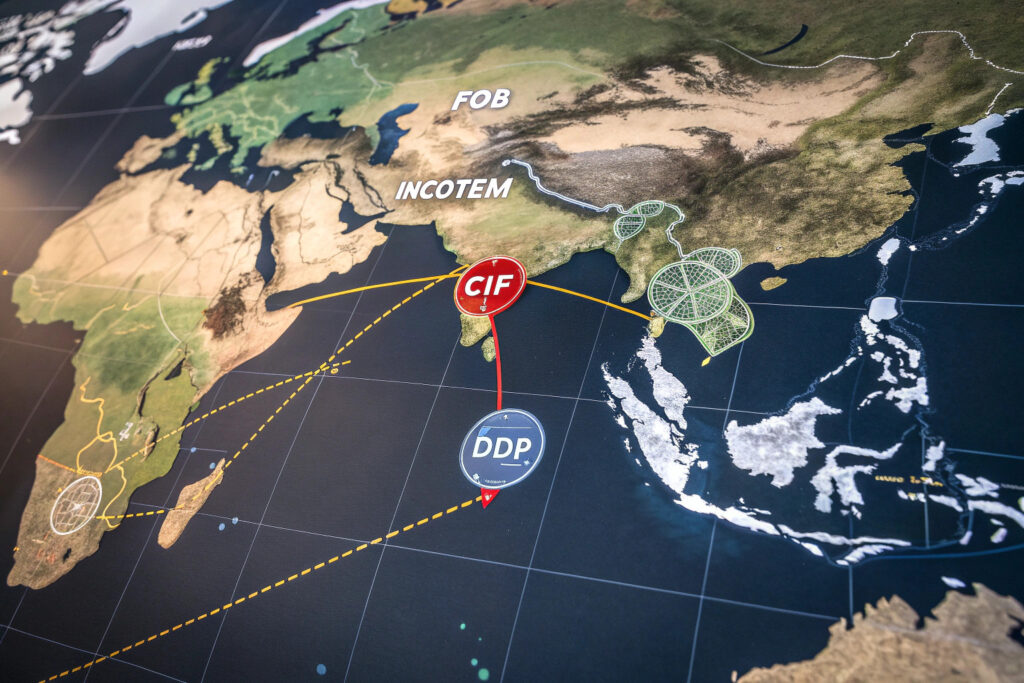
When buying socks from China, Incoterms can either make or break your shipping flow. A common mistake I’ve seen buyers make—especially newer Amazon sellers—is blindly choosing FOB or CIF without understanding the responsibilities they’re taking on. Miscommunication on Incoterms often results in unexpected demurrage fees, customs delays, or inventory pileups.
For most sock buyers in the USA, DDP (Delivered Duty Paid) is the most convenient Incoterm. It ensures the Chinese exporter handles everything—from customs clearance to doorstep delivery—without putting risk on the buyer.
Why Is DDP the Best Incoterm for Sock Importers?
Delivered Duty Paid means we as the exporter take full control of the logistics and customs process until your goods arrive at your warehouse. This eliminates your need to deal with brokers or sudden fees. Most of our U.S. clients prefer DDP for socks due to predictable landed cost calculations and speedier delivery.
With DDP, we prepay import duties and taxes, arrange trucking, and ensure HS code classification aligns with the correct tariff brackets. If you’re sourcing fashion or athletic socks, these categories often fall under HS Code 6115. We ensure full legal compliance to avoid costly inspection delays.
Can You Still Use FOB or CIF Without Delays?
Yes, but only if you have an experienced freight forwarder on the U.S. side. With FOB, we handle the delivery up to the port in China. CIF includes marine insurance and freight to your destination port but not inland delivery or customs.
If you’re importing full-container loads (FCL) and have in-house customs brokers, CIF or FOB can offer control. However, small or mid-sized buyers usually benefit from DDP because it eliminates the guesswork and lets us handle everything efficiently—especially when shipping from Keqiao via Ningbo or Shanghai ports.
How to Ensure Fast Customs Clearance for Socks?
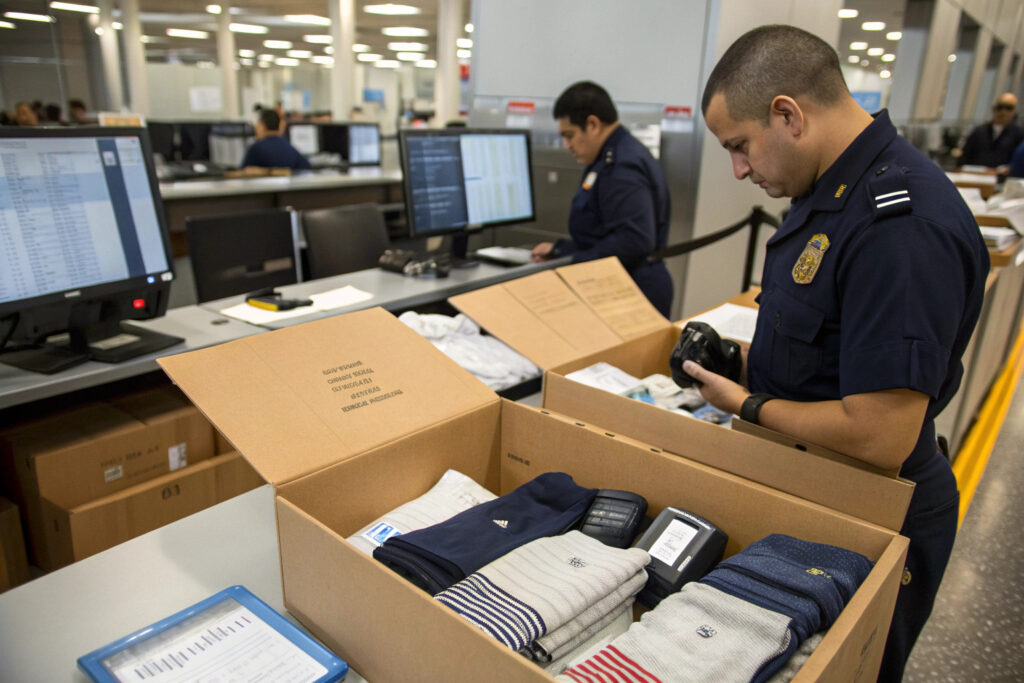
Socks might seem like a low-risk product category, but customs clearance can still delay your timeline. Over the past 2 years, U.S. Customs and Border Protection (CBP) has increased random checks on textile shipments. Delays often stem from poor labeling, inaccurate commercial invoices, or lack of compliance documentation.
Fast customs clearance for socks requires accurate HS coding, full packing documentation, and partnerships with suppliers experienced in U.S. compliance regulations.
What Documents Are Required for Sock Imports?
Here’s a checklist of essential documents we always prepare for our U.S. clients:
| Document | Purpose |
|---|---|
| Commercial Invoice | Declares value for duty assessment |
| Packing List | Ensures physical checks match items |
| Certificate of Origin | Confirms country of manufacture |
| HS Code Classification | Aligns with tariff regulations |
| B/L or AWB | Transportation proof |
We embed QR code-based digital docs into each carton, allowing customs agents to instantly verify content, reducing physical inspection needs.
How Can We Help You Avoid Tariff Surprises?
Our socks comply with Generalized System of Preferences (GSP) and we monitor U.S. tariff updates weekly. Thanks to local partnerships in Keqiao’s bonded warehouse zone, we pre-clear many shipments and often group LCL (less-than-container load) orders to optimize duties and entry speed.
We also advise you in advance if a certain sock material—such as silk or wool—is flagged for a higher rate or special customs handling.
What Shipping Modes Work Best for Bulk and Small Orders?
Shipping isn’t one-size-fits-all. The right mode depends on order volume, urgency, and budget. We help you match the best solution, whether you’re a Walmart-scale buyer or a Shopify startup.
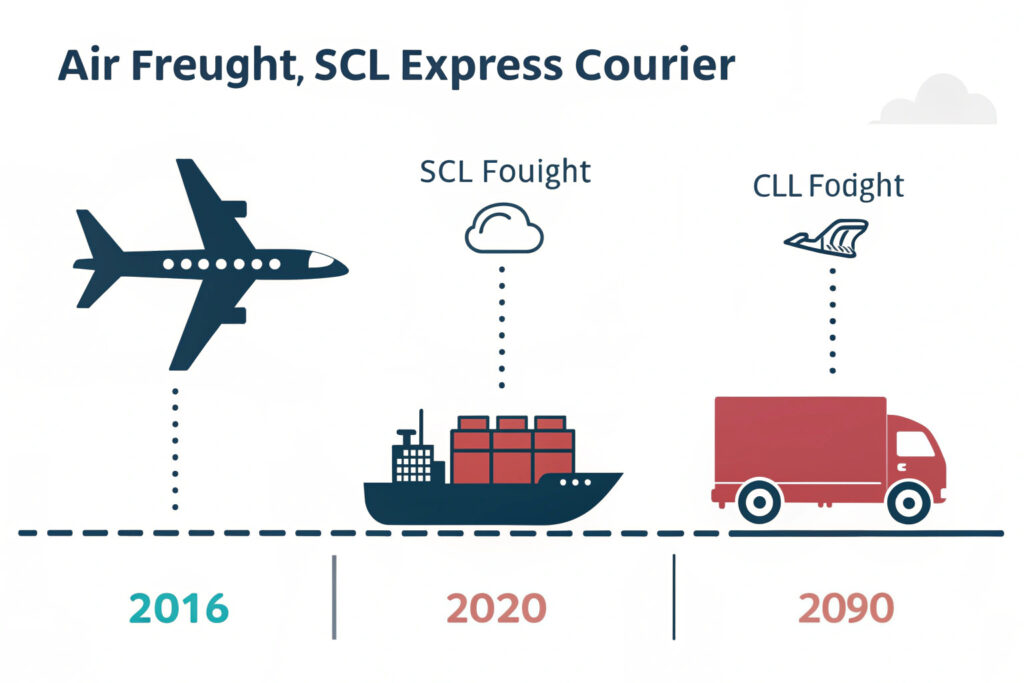
For large-volume orders, sea freight (FCL or LCL) is most cost-effective. For small-batch or urgent sock orders, air freight or express delivery offers the fastest turnaround.
When Should You Use Sea Freight?
Sea freight is ideal when your sock order exceeds 2 CBM or 2000+ pairs. We consolidate from Keqiao to Ningbo port, and from there, send full containers (FCL) or combine shipments (LCL) to reduce cost.
Typical transit times to West Coast USA ports:
| Mode | Port | Transit Time |
|---|---|---|
| FCL | Los Angeles | 14–18 days |
| LCL | Oakland | 18–22 days |
| FCL | Houston | 22–26 days |
We use Maersk Flow Pro and similar platforms to offer live vessel tracking. This adds transparency, helping clients plan inventory release in advance.
Is Air Freight Worth It for Socks?
Yes—especially for high-margin or seasonal collections. From Hangzhou or Shanghai to LAX, we can deliver socks via air cargo in 3–5 days. For even smaller packages, we often use FedEx International Priority or DHL Express Worldwide for 2–4 day delivery.
This mode suits Kickstarter brands, urgent restocks, or limited drops where speed outweighs cost.
How Can You Track Sock Shipments and Minimize Risks?
Once your socks are in transit, visibility becomes your best friend. I’ve seen buyers lose sleep waiting for updates from third-party forwarders who vanish after payment. That’s why we built an end-to-end tracking system to keep you in the loop from factory floor to front door.
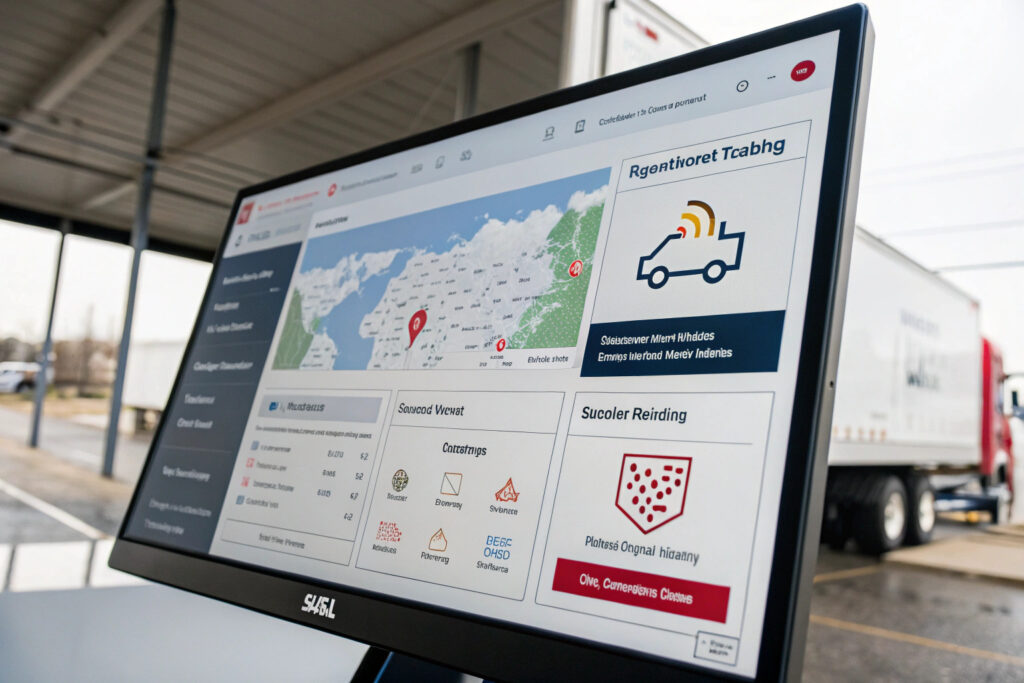
To track sock shipments effectively, use a supplier with real-time logistics dashboards, QR-enabled packaging, and integrated alerts for weather or port congestion.
What Real-Time Tools Do We Use?
Each sock carton comes with a QR code linked to our cloud-based logistics portal. You can track:
- Factory pickup confirmation
- Port departure & arrival times
- Customs clearance progress
- Last-mile handoff to domestic couriers
We also integrate with your 3PL or WMS systems for seamless syncs. These alerts help you plan inventory intake, product launches, and avoid warehouse backups.
How Do We Handle Delays and Damage?
Shipping risks like typhoons, port strikes, or reroutes happen. What matters is your partner’s ability to respond. Our multimodal routing options let us switch between Ningbo, Shanghai, or even rail via Yiwu-Europe lines during emergencies.
Additionally, we use Marine Cargo Insurance to protect sock shipments from loss or damage. Claims can be filed digitally with photo evidence within 48 hours.
Conclusion
Shipping socks from China to the U.S. is no longer a simple "place order and wait" process. It requires smart Incoterm selection, real-time visibility, and risk management at every step. From fast customs clearance to flexible shipping modes, every decision impacts your delivery speed, cost, and peace of mind.
That’s why working with a one-stop sock manufacturing and shipping team like GlobalSock makes a difference. We don’t just make socks—we deliver them to your warehouse or customer’s doorstep without you lifting a finger.
If you’re ready to produce and ship your own sock orders from China, reach out to our Business Director Elaine at elaine@fumaoclothing.com today. Let’s co-create the perfect logistics plan for your brand.