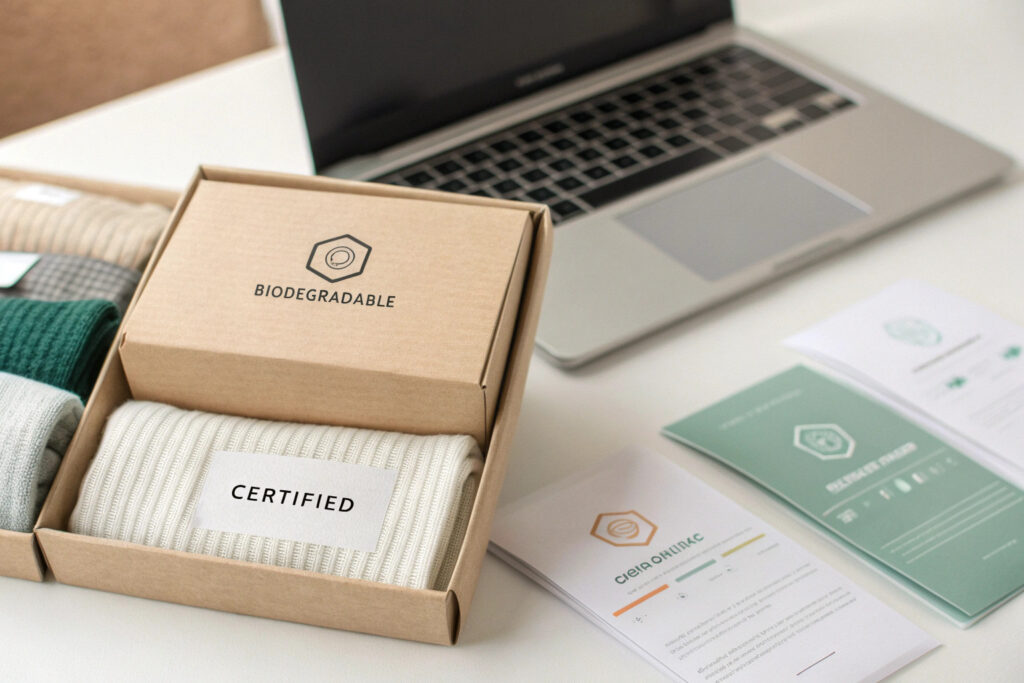
As an eco-conscious brand, you know that every detail matters. Your customers demand sustainability from the product itself right down to the packaging. But finding a sock manufacturer that can deliver high-quality socks with truly biodegradable packaging often feels like searching for a needle in a haystack. The struggle is real—greenwashing is rampant, material certifications are confusing, and supply chain transparency is often lacking. At GlobalSock, we’ve navigated these challenges for over a decade, helping brands like yours make the switch to genuine, certified biodegradable packaging solutions.
Transitioning to biodegradable packaging for your sock line is a strategic move that requires partnering with a manufacturer who understands sustainable material science, possesses relevant certifications, and has a transparent, verifiable supply chain. This approach not only meets consumer demand but also future-proofs your brand against tightening environmental regulations.
The journey toward sustainable packaging involves several key decisions. Let’s explore how you can successfully source socks with packaging that aligns with your brand’s environmental values.
What are the best biodegradable materials for sock packaging?
The quest for the perfect biodegradable packaging starts with understanding your material options. Not all "eco-friendly" materials are created equal, and their performance varies significantly based on your specific needs. The right choice balances environmental impact with practical requirements like durability, cost, and shelf life.
The best biodegradable materials for sock packaging include compostable cellulose films, PLA (polylactic acid) derived from corn starch, mushroom-based packaging, and recycled cardboard with water-based inks. These materials break down effectively in appropriate conditions while protecting your products during shipping and storage. At our facility, we’ve tested numerous options and found that multilayer compostable films offer the best moisture barrier for international shipping, while molded pulp from recycled paper provides excellent protection for premium sock boxes.
How do compostable films compare to recycled cardboard?
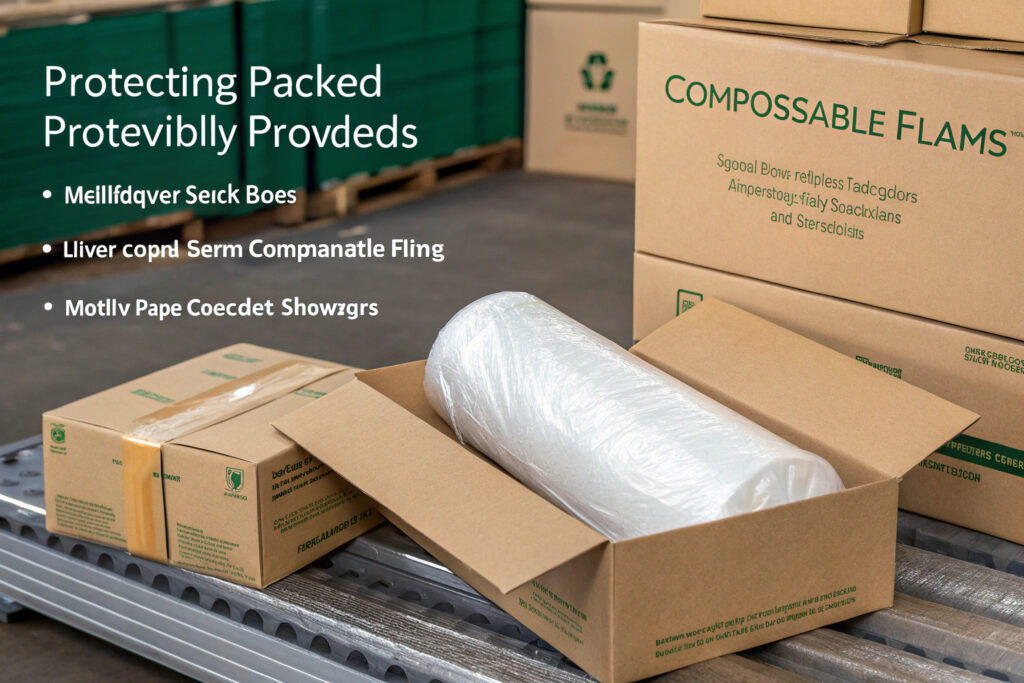
Compostable films and recycled cardboard serve different purposes in sustainable packaging. Compostable films, like those certified by the Biodegradable Products Institute, break down into non-toxic components in industrial composting facilities, making them ideal for inner packaging that directly contacts socks. These films provide essential moisture barriers during transit, especially for sea freight to humid regions. Recycled cardboard, particularly FSC-certified options, offers structural integrity for outer boxes and retail presentation. The Forest Stewardship Council certification ensures the paperboard comes from responsibly managed forests. Many of our eco-brand partners use a combination: compostable film for the primary sock enclosure and recycled cardboard for the retail box.
What certifications should genuine biodegradable packaging have?
Authentic biodegradable packaging requires third-party verification to prevent greenwashing. The most recognized certifications include the BPI (Biodegradable Products Institute) certification for compostability, which verifies materials break down safely in commercial facilities. The TUV Austria OK compost INDUSTRIAL and OK compost HOME labels indicate whether materials require industrial composting or can decompose in home compost systems. For paper-based packaging, FSC (Forest Stewardship Council) certification ensures sustainable forestry practices. Additionally, the ASTM D6400 standard specifies performance criteria for compostable plastics, while the ISO 17088 standard defines requirements for plastics suitable for recovery through composting. We maintain these certifications across our packaging options, providing documentation to clients for their own sustainability reporting.
How to verify supplier claims about biodegradable packaging?
Many suppliers make environmental claims that don’t hold up to scrutiny. Without proper verification, your brand risks association with greenwashing, which can damage consumer trust and lead to regulatory penalties. The verification process requires a systematic approach to assessing documentation, manufacturing processes, and material traceability.
To verify supplier claims about biodegradable packaging, request third-party certification documents, conduct facility audits, perform independent lab tests, and trace material origins through the supply chain. Genuine suppliers willingly provide transparent documentation and welcome verification processes. At GlobalSock, we maintain an open-door policy for client audits and provide complete documentation packages for all our sustainable packaging options.
What documentation proves packaging is truly biodegradable?
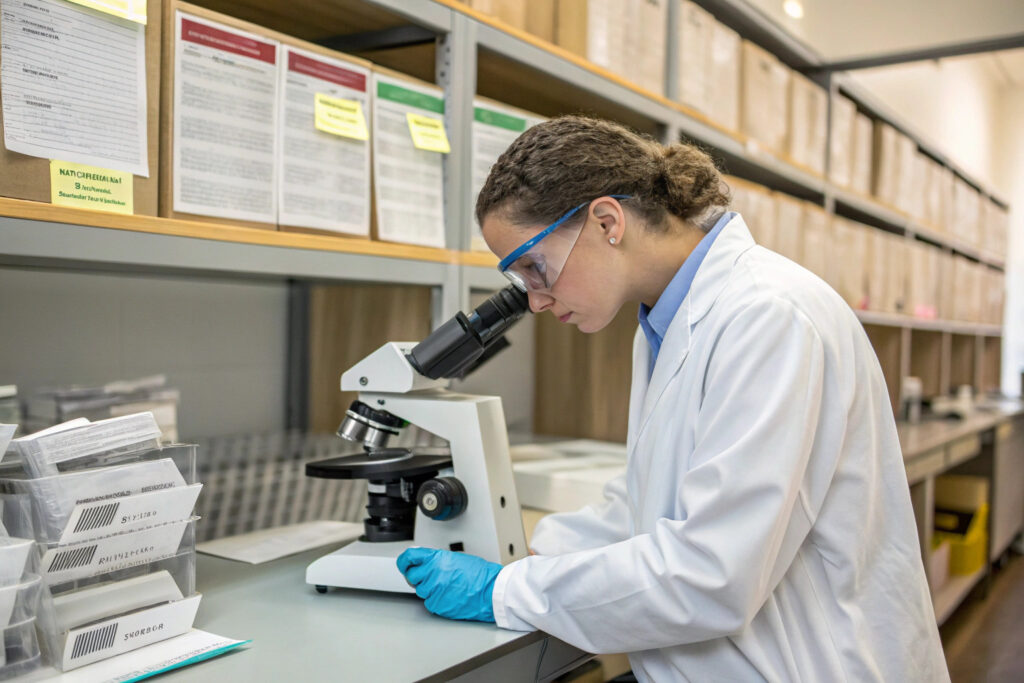
Comprehensive documentation is the first line of defense against greenwashing. Legitimate suppliers should provide current certificates from recognized third-party organizations like BPI, TUV Austria, or the Forest Stewardship Council. Additionally, material safety data sheets (MSDS) detail chemical composition, while certificates of analysis (COA) from each production batch verify consistency. We also provide life cycle assessment (LCA) reports that quantify environmental impact from raw material extraction to end-of-life disposal. These documents should reference specific ISO standards for biodegradability testing and compostability. For international clients, we include documentation demonstrating compliance with both EU packaging regulations and the relevant ASTM standards in the U.S. market.
How can you test packaging biodegradability yourself?
While third-party certifications provide essential verification, conducting your own tests adds an extra layer of assurance. Simple immersion tests can check waterproof claims—authentic biodegradable films shouldn’t disintegrate immediately in water but should break down in composting conditions. The burn test (conducted safely) distinguishes plant-based PLA from conventional plastics—PLA burns with a clear flame and slight sweet smell, unlike petroleum plastics. For more rigorous verification, you can send samples to independent laboratories like Eurofins or SGS for disintegration testing under composting conditions. We encourage clients to take samples of our packaging materials for their own verification processes and provide guidance on setting up simple compost tests to observe decomposition rates firsthand.
What are the cost implications of biodegradable packaging?
Transitioning to biodegradable packaging involves financial considerations beyond simple per-unit costs. While sustainable materials often carry a higher price tag than conventional options, the total cost equation must account for consumer perception, regulatory compliance, waste management savings, and potential tariff advantages.
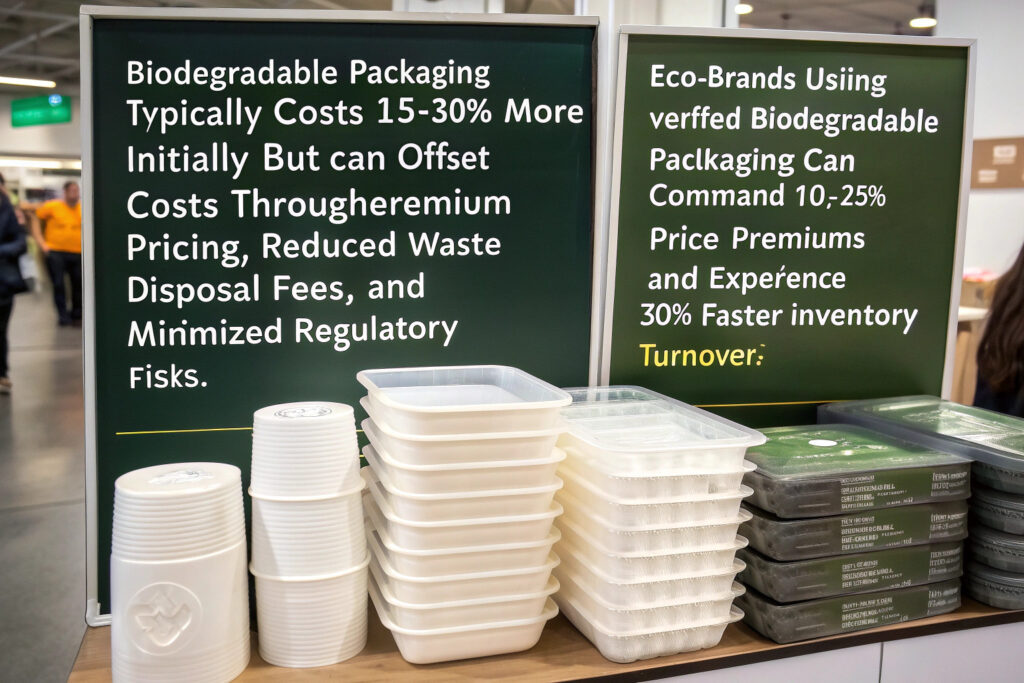
Biodegradable packaging typically costs 15-30% more than conventional alternatives initially, but strategic implementation can offset these costs through premium pricing, reduced waste disposal fees, and minimized regulatory risks. The key is viewing this not as an expense but as an investment in brand equity and future-proofing. Our data shows eco-brands using verified biodegradable packaging can command 10-25% price premiums while experiencing 30% faster inventory turnover compared to conventional counterparts.
How does biodegradable packaging affect total product cost?
The impact on total product cost depends on several factors: material selection, order volume, and packaging complexity. For standard sock packaging, compostable films add approximately $0.08-$0.15 per unit, while recycled cardboard boxes increase costs by $0.25-$0.60 per unit depending on construction complexity. However, these upfront costs can be partially offset by reduced waste management expenses, especially in regions with strict packaging waste regulations. Additionally, some sustainable materials are lighter than alternatives, potentially reducing shipping costs—a significant factor for international orders. We help clients optimize this balance through sustainable materials management strategies that consider the entire product lifecycle rather than just initial manufacturing expenses.
Can sustainable packaging reduce import tariffs?
In certain cases, sustainable packaging can indeed reduce import tariffs and duties. Several countries offer tariff reductions or exemptions for environmentally preferable products, though specific provisions vary by market. The European Union’s Green Deal initiatives are progressively creating tariff advantages for verified sustainable products, while certain U.S. states offer tax incentives. More directly, using thinner, lighter biodegradable materials can reduce shipping costs—a significant portion of total landed cost. We guide clients through customs classification processes to identify potential duty savings and help structure shipments to maximize these benefits. The key is maintaining thorough documentation of sustainable attributes to qualify for these programs.
How to ensure biodegradable packaging survives international shipping?
The durability of biodegradable packaging during transit is a legitimate concern for brands sourcing from overseas. Conventional packaging materials were developed specifically to withstand the rigors of international logistics, while sustainable alternatives must meet these same performance standards while maintaining their environmental credentials.
To ensure biodegradable packaging survives international shipping, select materials with appropriate durability certifications, implement protective packaging design, conduct pre-shipment testing, and choose logistics partners experienced in handling sustainable materials. Through rigorous testing and design optimization, we’ve developed packaging solutions that protect products through 60+ day sea voyages while maintaining compostability certifications.
What packaging designs protect products during transit?
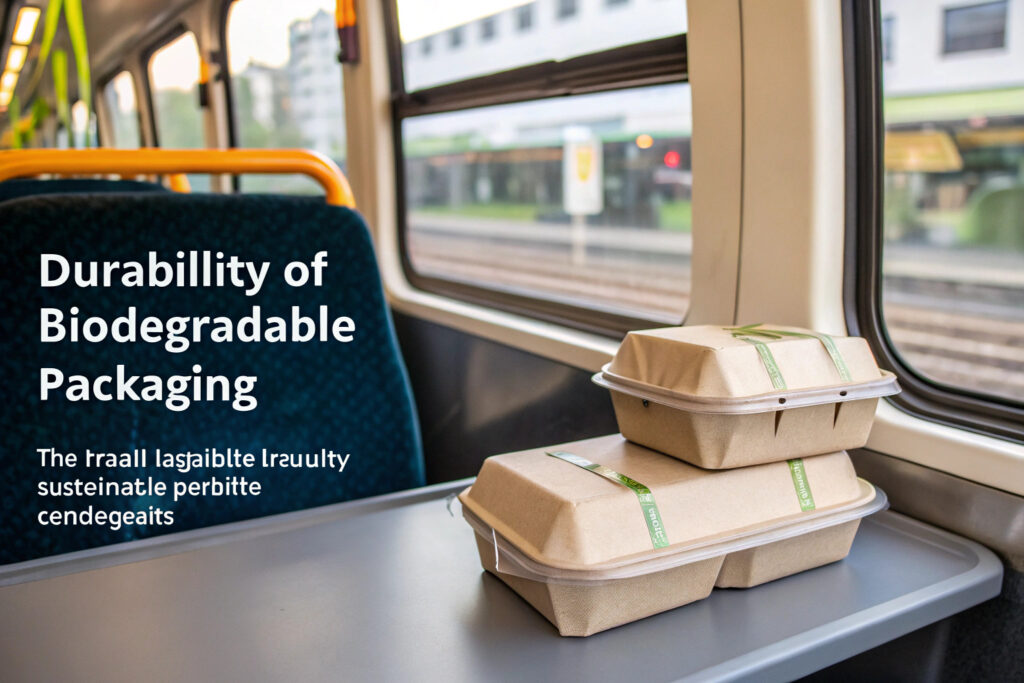
Strategic packaging design is crucial for protecting products during international shipping while maintaining sustainability. Our approach includes reinforced corner protection using molded pulp rather than plastic foam, compartmentalization within boxes to prevent product movement, and moisture barriers using compostable films with wax alternatives. We’ve developed proprietary box designs that maximize structural integrity while minimizing material usage—some reducing total packaging weight by 40% compared to conventional options. These designs undergo rigorous testing at our ISTA-certified testing facility, simulating the vibrations, impacts, and compression forces experienced during container shipping and last-mile delivery. The result is packaging that protects your products while aligning with your environmental values.
How do humidity and temperature affect biodegradable packaging?
Humidity and temperature variations during international shipping present significant challenges for biodegradable materials. Plant-based plastics like PLA can become brittle in cold temperatures or soften in extreme heat, while paper-based materials risk losing structural integrity in high humidity. Through extensive testing, we’ve developed material blends and protective coatings that maintain performance across the temperature ranges (-20°C to 50°C) and humidity levels (20% to 90% RH) typical of global logistics routes. Our packaging solutions undergo validation in environmental chambers that simulate conditions from frozen containers to tropical warehouses. We also provide specific handling guidelines to logistics partners to ensure proper storage and transit conditions. For clients shipping to extreme climates, we offer customized solutions tested specifically for those environments.
Conclusion
Transitioning to biodegradable packaging for your sock line is no longer an optional sustainability initiative but a necessary evolution in response to consumer demand and regulatory trends. The journey involves selecting appropriate materials, rigorously verifying supplier claims, understanding true cost implications, and ensuring packaging durability through the supply chain. With the right manufacturing partner, these challenges become opportunities to strengthen your brand positioning and build consumer trust.
As you consider making the switch to biodegradable packaging for your sock collections, we invite you to experience the GlobalSock difference. Our comprehensive approach to sustainable manufacturing combines material expertise, rigorous testing, and supply chain transparency to deliver socks that perform for both your customers and the planet. Contact our Business Director Elaine at elaine@fumaoclothing.com to discuss how we can help you develop sock lines with packaging that truly reflects your brand’s environmental commitment.