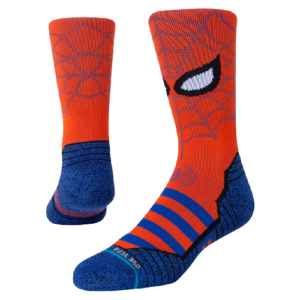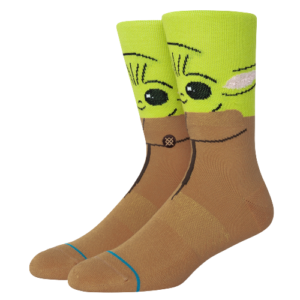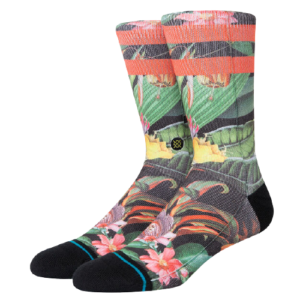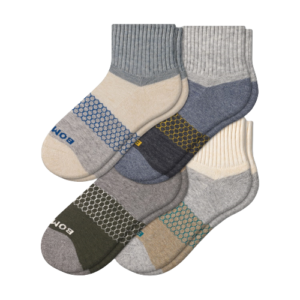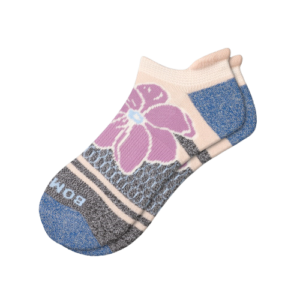

Chemotherapy is a challenging journey. Patients often face unexpected side effects, including extreme sensitivity in their feet. Finding the right socks can make a big difference in comfort and well-being. This is a concern we hear often from our clients who supply healthcare products.
The best socks for chemotherapy patients are specifically designed to address treatment-related discomfort. They prioritize ultra-soft, non-irritating materials like bamboo viscose or organic cotton, a seamless construction to prevent friction, and gentle, non-binding tops to support circulation without pressure. These features work together to provide much-needed relief and protection for sensitive skin during a vulnerable time.
This article will guide you through the essential features of oncology socks. We will explore the best materials, key design elements, and how to choose the right supplier for these specialized products.
What Features Are Most Important in Oncology Socks?
When your skin is sensitive from treatment, ordinary socks can feel like sandpaper. The wrong sock can cause real pain. For chemotherapy patients, every detail of a sock matters immensely for their comfort.
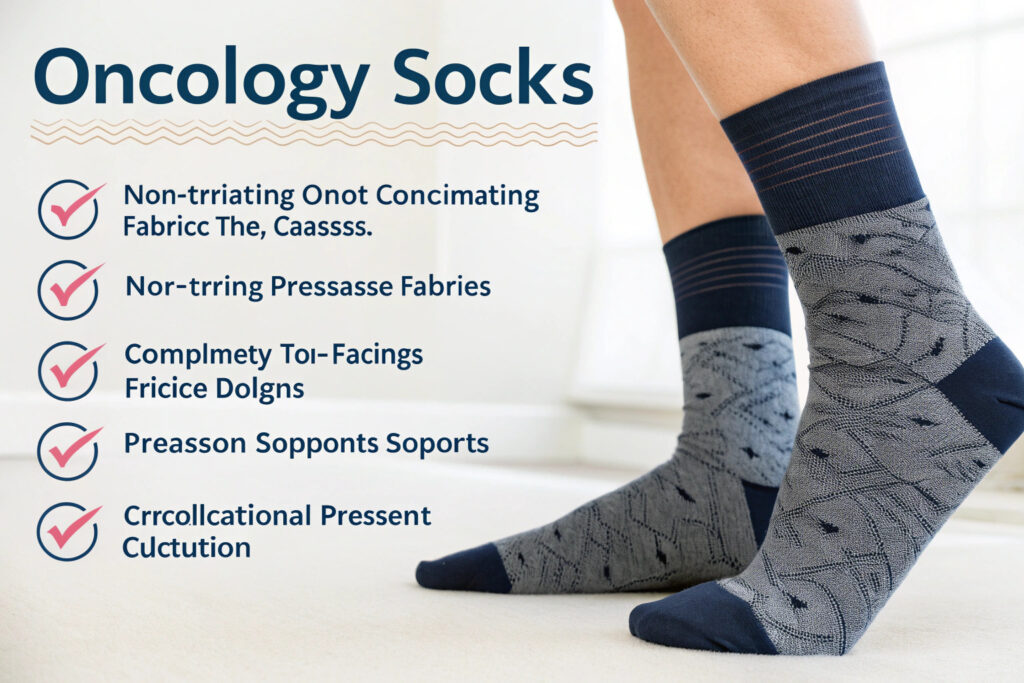
The most important features in oncology socks are non-irritating fabrics, a completely seamless toe, and a non-constricting top. This combination minimizes friction, prevents pressure points, and supports circulation, which can be compromised during treatment. These are not just comfort features; they are protective measures for vulnerable feet.
Why is a Seamless Toe Construction Critical?
A traditional sock has a seam across the toes. For someone undergoing chemo, this small ridge can feel like a sharp pebble. It creates constant friction, which can quickly lead to blisters and skin breakdown. This is dangerous because it increases the risk of infection.
A seamless toe eliminates this point of friction entirely. The inside of the sock is completely smooth, allowing the foot to rest without any abrasive contact. This is crucial for patients who may be bedridden or have limited mobility, as their feet are in constant contact with the bedding and socks. Furthermore, for patients experiencing peripheral neuropathy, a common side effect causing numbness, a seamless design prevents unseen injuries. Combining this with moisture-wicking materials helps keep the skin dry and further reduces the risk of irritation.
How Does a Non-Binding Top Improve Patient Comfort?
Chemotherapy can cause swelling, a condition known as edema. A standard sock with a tight elastic band can dig into the skin, creating painful indentations and restricting blood flow. This is not just uncomfortable; it can worsen swelling and potentially lead to circulation problems.
A non-binding top, often made from soft, wide-folded ribbing or a special loose-knit design, provides a secure fit without any tightness. It hugs the leg gently to stay in place but applies zero pressure. This accommodates swelling and ensures healthy, unrestricted circulation. It’s a simple design change that offers profound relief and is a key feature of the best compression socks adapted for oncology use, which focus on gentle support rather than strong pressure.
Which Materials Are Best for Sensitive Skin During Chemo?
Skin during chemotherapy is often compared to a baby’s skin—incredibly delicate and prone to irritation. The wrong fabric can cause itching, rashes, and significant discomfort, turning a simple act like putting on socks into an ordeal.
For sensitive skin during chemo, the best materials are natural, breathable, and ultra-soft fibers like bamboo viscose, organic cotton, and specialty blends like Tencel™. These fabrics are inherently hypoallergenic, temperature-regulating, and excellent at wicking moisture away from the skin. They provide a protective, comforting barrier against the environment.
Choosing the right material is about more than just softness. It’s about how the fiber interacts with the skin’s new, fragile state.
What are the Benefits of Bamboo Viscose Socks?
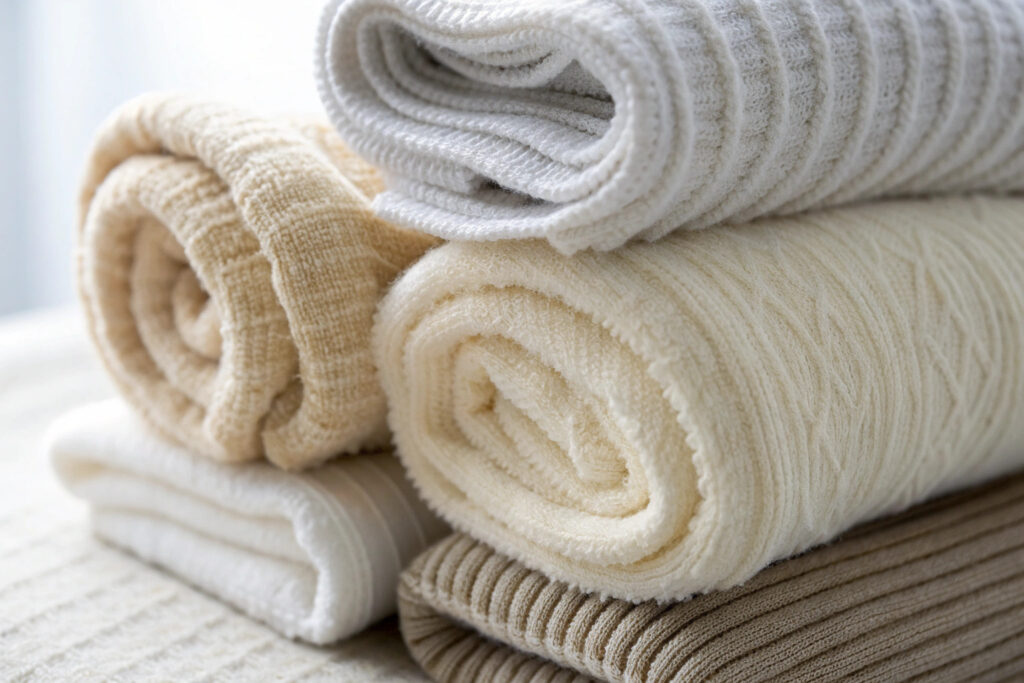
Bamboo viscose is a top-tier choice for oncology socks. It is naturally incredibly soft, often compared to silk or cashmere. Beyond its luxurious feel, it is highly breathable and has excellent moisture-wicking properties, which pull sweat away from the skin to keep feet dry. This is vital for preventing fungal infections.
Additionally, bamboo fiber is naturally antibacterial and hypoallergenic. This helps control odor without the need for chemical treatments that could irritate the skin. For a patient whose immune system is compromised, this built-in protection is a significant health benefit. Its temperature-regulating nature also helps keep feet comfortably warm in the winter and cool in the summer, managing the temperature fluctuations many patients experience.
Why is Organic Cotton a Safe Choice?
High-quality, long-staple organic cotton is a classic and trusted material. It is gentle, highly absorbent, and allows the skin to breathe. Because it is grown without synthetic pesticides or fertilizers, it reduces the risk of exposing sensitive skin to chemical residues that can be present in conventional cotton.
The key is to look for combed or pima cotton, which removes shorter fibers and creates a stronger, smoother yarn that is less likely to pill or cause friction. While pure cotton can retain moisture if saturated, blends with bamboo or a small amount of synthetic like spandex can improve wicking and add durability without sacrificing softness. This makes it a reliably safe and comfortable option.
How to Choose a Reliable Supplier for Medical Socks?
Sourcing socks for chemotherapy patients isn’t like buying standard fashion items. The stakes are higher. You need a supplier who understands the medical context and can guarantee consistency, quality, and safety in every single pair.
To choose a reliable supplier for medical socks, verify their experience with healthcare textiles, check for relevant certifications like OEKO-TEX or GOTS, and assess their quality control processes, especially for consistent fabric softness and seamless construction. A trustworthy partner will be transparent about their materials and manufacturing standards.
Your due diligence here directly impacts the end-user’s comfort and safety. Let’s look at the key factors that separate a good supplier from a great one.

What Quality Certifications Should I Look For?
Certifications are your objective proof of a supplier’s claims. For medical-grade socks, look for the OEKO-TEX Standard 100 certification. This independent test confirms that the textiles are free from harmful levels of over 100 regulated substances, ensuring the product is safe for sensitive skin.
For natural fibers, the Global Organic Textile Standard (GOTS) is crucial. It certifies the organic status of the fiber from harvesting through environmentally and socially responsible manufacturing. If a supplier has a CNAS-accredited lab, like we do at GlobalSock, it further demonstrates a commitment to in-house, verifiable quality testing that meets international standards for durability, colorfastness, and composition.
Why is a Agile Supply Chain Important for Healthcare Orders?
The needs of healthcare distributors and buyers can change quickly. A reliable supplier must be agile. This means having the capability for rapid sampling—turning around a prototype sock in a week—to get approval quickly. It also means having a robust supply chain to ensure on-time bulk delivery, avoiding stockouts that could impact patients.
An agile supply chain is also built for flexibility. It should support small-batch customization, allowing you to order specialized sizes or designs without a massive minimum order quantity (MOQ). This is essential for testing new products or catering to niche patient needs. Partners with local dyeing and finishing partnerships can also react faster to material and color requests.
Can Socks Really Help with Chemotherapy Side Effects?
It’s a fair question. Socks are not medicine. However, the right socks are a powerful tool for managing the physical discomfort caused by treatment. They act as a protective layer and a source of physical comfort, which in turn can provide a psychological boost.
Yes, the right socks can significantly help manage specific chemotherapy side effects like temperature sensitivity, peripheral neuropathy, and skin dryness. They do not cure the side effects, but they effectively mitigate the discomfort associated with them, improving the patient’s quality of life. This is considered a form of supportive care.
Recraft指令–A hopeful and uplifting scene of a chemotherapy patient smiling softly while looking down at their feet, which are clad in soft, colorful socks. They are in a cozy home setting, perhaps wrapped in a blanket. The focus is on their expression of comfort and the socks on their feet. The image should feel warm, positive, and supportive. The patient’s face must be realistic and show a genuine, gentle expression. No text or maps should be visible on the image.
The value of these socks lies in their targeted, functional design.
How Do Socks Aid in Temperature Regulation?
Many chemotherapy patients experience extreme sensitivity to cold, a condition called cold dysesthesia. Their feet can feel constantly icy or painfully cold to the touch. Conversely, some treatments can cause hot flashes.
Socks made from natural, temperature-regulating materials like bamboo or merino wool are essential. These fibers have a natural hollow structure that traps air, providing excellent insulation when it’s cold and promoting breathability when it’s warm. Unlike synthetic materials that can feel clammy, these natural fibers maintain a stable, comfortable microclimate around the feet, directly addressing this disruptive side effect. This is a key benefit of using merino wool for base layers in both cold and warm environments.
What Role Do Socks Play in Skin Protection?
Chemo can make skin dry, flaky, and fragile, like parchment paper. It becomes highly susceptible to cracking, bleeding, and infection. The simple act of walking in rough socks can cause abrasions.
Oncology socks serve as a critical first line of defense. Their ultra-soft, smooth interior acts as a cushioning barrier between the fragile skin and the inside of a shoe or the bedsheets. The moisture-wicking properties prevent the buildup of sweat that can macerate the skin and lead to breakdown. By reducing friction and managing moisture, these socks directly protect the integrity of the skin, which is paramount for preventing complications in immunocompromised individuals.
Conclusion
Choosing the best socks for chemotherapy patients is a detail with a profound impact. It revolves around prioritizing ultra-soft, non-irritating materials, thoughtful designs like seamless toes and non-binding tops, and partnering with a supplier who understands these critical needs. These socks are more than an accessory; they are a simple, effective form of comfort and protection during one of life’s most difficult challenges.
If you are looking to source or develop high-quality, compassionate socks for chemotherapy patients, we are here to help. Our experience in functional socks and rigorous quality control ensures every pair meets the highest standards of comfort and safety. For a reliable partnership, please contact our Business Director Elaine at elaine@fumaoclothing.com to discuss your needs.