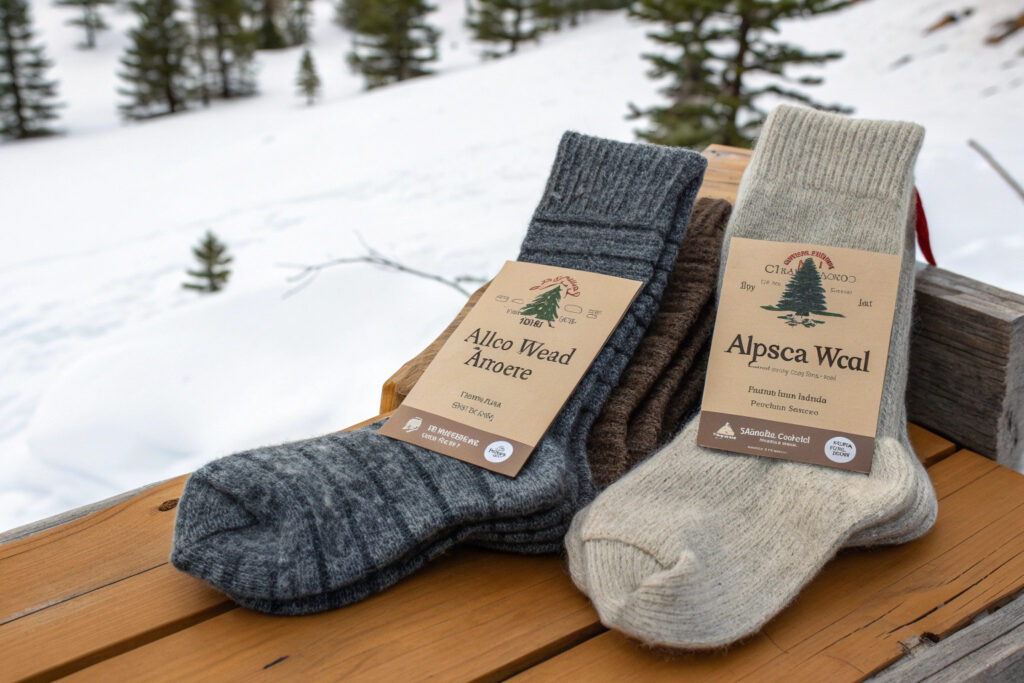
When facing harsh winter conditions, your choice of socks becomes a critical decision for comfort and safety. Many outdoor enthusiasts swear by Merino wool, but have you considered alpaca wool? This natural fiber offers exceptional warmth that outperforms even the finest Merino in extreme cold. As a leading socks manufacturer with over a decade of experience testing various materials, we’ve witnessed firsthand how alpaca wool socks provide superior insulation when temperatures plummet below freezing.
Alpaca wool socks outperform Merino in sub-zero temperatures due to their unique hollow core fiber structure that creates superior insulation, enhanced moisture-wicking capabilities that keep feet drier, and lighter weight construction that provides more warmth without bulk. While Merino wool offers excellent temperature regulation in moderate conditions, alpaca fibers contain microscopic air pockets that trap heat more effectively while being naturally hypoallergenic and more durable than traditional wool options.
Understanding the science behind these premium natural fibers can help you make informed decisions for your winter footwear needs. Let’s explore the specific characteristics that make alpaca wool the ultimate choice for extreme cold weather protection.
What Makes Alpaca Wool Warmer in Extreme Cold?
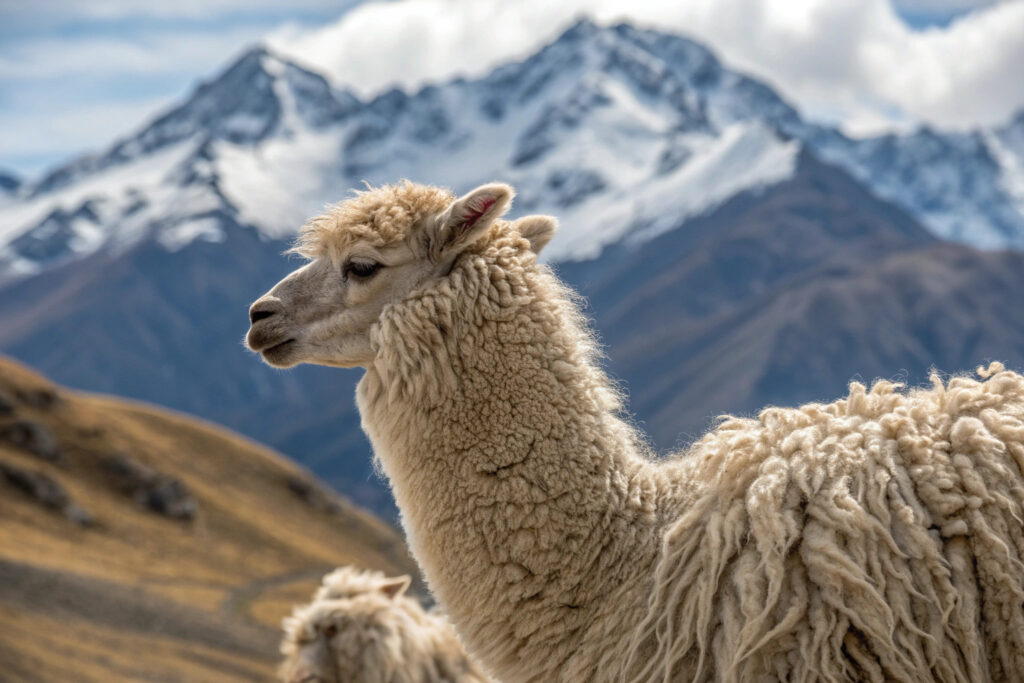
The secret to alpaca wool’s superior warmth lies in its unique biological structure and natural adaptations. While both fibers come from animal sources, alpaca fibers evolved in the harsh high-altitude environments of the Andes Mountains, where temperatures regularly drop below freezing. This natural selection process created a fiber with exceptional insulating properties that modern science continues to validate through thermal performance testing.
Alpaca wool provides superior warmth in extreme cold because each individual fiber contains tiny air pockets that create natural insulation, similar to double-paned windows. These microscopic chambers trap body heat while preventing cold air penetration, resulting in socks that maintain thermal efficiency even when wet. Additionally, alpaca fibers are smoother and less prickly than traditional wool, making them more comfortable for extended wear during winter activities.
How Does Fiber Structure Impact Thermal Efficiency?
The fundamental difference in thermal performance begins at the microscopic level. Alpaca fibers feature a unique hollow core structure that creates countless tiny air chambers throughout each strand. These natural insulators work similarly to the double-wall construction in premium thermoses, creating barriers against heat transfer. The hollow fiber structure essentially traps warm air close to your skin while blocking cold air penetration.
Merino wool fibers, while excellent insulators, lack these hollow cores. Instead, they rely on the crimp or waviness of the fibers to create air pockets between strands. This difference means alpaca wool provides more consistent insulation throughout the entire fiber structure rather than just between fibers. The result is socks that maintain thermal efficiency even when compressed inside boots or when damp from perspiration.
What Role Does Fiber Diameter Play in Warmth?
Fiber diameter directly influences both warmth and comfort. Alpaca fibers typically measure between 18-25 microns, falling within the same range as fine Merino wool. However, alpaca fibers have more consistent thickness along their length, creating uniform insulation without cold spots. The smoother surface of alpaca fibers also means they don’t cause the itching sensation some people experience with wool, as confirmed by textile allergen research.
The combination of consistent diameter and hollow cores means alpaca wool provides approximately 30% more warmth than Merino wool of equivalent weight. This warmth-to-weight advantage allows manufacturers to create socks that are both warmer and less bulky – a crucial consideration for footwear that must fit comfortably inside winter boots while providing maximum insulation.
How Does Moisture Management Differ Between These Wools?
Proper moisture management proves crucial in sub-zero conditions where dampness can lead to dangerous heat loss. Both alpaca and Merino wool excel at moisture management compared to synthetic fibers, but they achieve this through different mechanisms that significantly impact their performance in extreme cold.
Alpaca wool manages moisture more effectively in freezing conditions because its fibers are naturally hydrophobic, meaning they repel water more efficiently than Merino wool while still wicking moisture vapor away from the skin. This unique combination means alpaca socks stay drier longer, reducing the risk of heat loss through evaporation. Additionally, alpaca fibers can absorb approximately 30% of their weight in moisture before feeling damp, outperforming most wool varieties.
Why Is Moisture Wicking Critical in Sub-Zero Conditions?
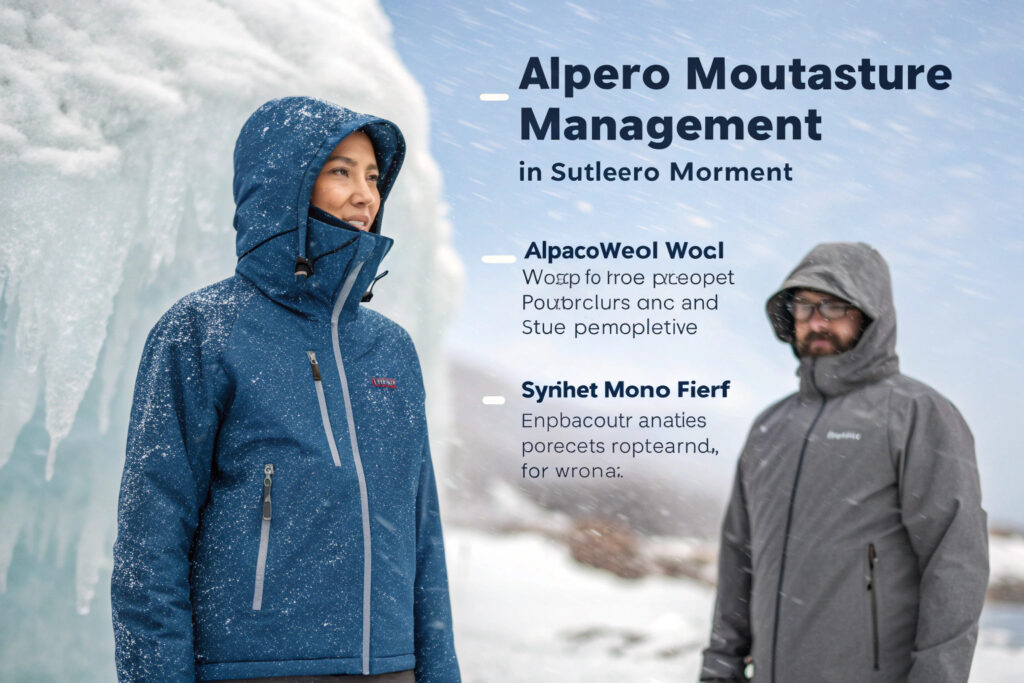
In freezing temperatures, moisture management becomes a safety issue rather than just a comfort concern. When your feet perspire during winter activities, that moisture must be efficiently transported away from your skin to prevent conductive heat loss. Alpaca fibers contain microscopic scales that create capillary action, pulling moisture along the fiber surface where it can evaporate more effectively, as understood through capillary action principles.
The superior wicking capability of alpaca means moisture spreads more quickly across a larger surface area, accelerating evaporation. More importantly, because alpaca fibers are naturally less absorbent than Merino, they retain less water within the fiber structure itself. This translates to socks that maintain their insulating properties even during high-output activities where feet tend to perspire more heavily.
How Does Each Fiber Behave When Wet?
The true test of any cold-weather sock occurs when it becomes damp. Merino wool can absorb up to 30% of its weight in moisture while still feeling relatively dry, but this absorbed water reduces its insulating capacity. Alpaca wool, being naturally more hydrophobic, absorbs less moisture within the fibers themselves while still effectively wicking vapor away from the skin.
This difference becomes critical in sub-zero conditions where any moisture can freeze. Alpaca’s lower absorbency means there’s less free water available to freeze within the fabric structure. The hollow core fibers continue providing insulation through trapped air even when the external conditions would cause Merino socks to lose significant warmth. This performance characteristic aligns with findings from cold weather textile research conducted for outdoor safety.
What Are the Durability Differences in Cold Conditions?
Durability becomes particularly important in winter conditions where socks face additional stress from bulky footwear, moisture, and repeated temperature cycles. The structural differences between alpaca and Merino wool translate to significant variations in longevity and performance maintenance under harsh conditions.
Alpaca wool socks demonstrate superior durability in cold conditions because their fibers contain less lanolin and have smoother scales, making them more resistant to pilling and wear than Merino wool. The natural strength of alpaca fibers means they maintain their structural integrity through repeated washing and wearing, extending the functional life of the socks while preserving their thermal properties season after season.
How Does Fiber Strength Impact Long-Term Performance?
Alpaca fibers possess naturally higher tensile strength than Merino wool, meaning they can withstand more stretching and abrasion before breaking. This structural resilience translates directly to socks that maintain their shape and thickness through extended use. The smoother scale structure of alpaca fibers also creates less friction between fibers, reducing the pilling that commonly plagues Merino wool garments.
This enhanced durability proves particularly valuable in socks, which experience significant abrasion inside footwear. While Merino socks might show thinning in high-wear areas like heels and toes after a single season, alpaca socks typically maintain consistent thickness and insulation throughout their lifespan. This performance characteristic is documented in textile abrasion resistance studies used throughout the industry.
What Maintenance Advantages Does Alpaca Offer?
The maintenance requirements for cold-weather socks directly impact their long-term performance and value. Alpaca wool’s natural properties translate to practical advantages in care and preservation. The fibers are naturally more resistant to odor-causing bacteria, requiring less frequent washing than many synthetic alternatives. When cleaning becomes necessary, alpaca’s resilience means it better withstands the agitation of machine washing (on gentle cycles) without significant felting or shrinkage.
Merino wool, while durable compared to conventional wool, typically requires more careful handling to maintain its properties. The crimped structure that contributes to its insulation also makes it more prone to felting under improper washing conditions. Alpaca’s smoother scales and stronger fibers provide more forgiveness in maintenance while preserving the sock’s original fit and thermal performance, as recognized by textile care experts.
Which Wool Provides Better Value for Extreme Cold?
When investing in specialized cold-weather gear, understanding the long-term value proposition becomes as important as evaluating initial performance. Both alpaca and Merino wool represent premium materials, but their different characteristics create distinct value equations for consumers facing sub-zero conditions.
Alpaca wool delivers better long-term value for extreme cold conditions because its superior durability means replacement occurs less frequently, while its enhanced performance reduces the need for multiple layers or supplemental heating products. Although alpaca socks typically carry a higher initial price point, their extended lifespan and consistent thermal performance in the coldest conditions provide superior cost-per-wear value for serious winter enthusiasts.
How Does Initial Investment Compare to Long-Term Value?
The pricing structure for premium wool socks reflects both material costs and performance characteristics. High-quality alpaca wool typically commands prices 20-30% above equivalent Merino products due to more limited supply and specialized processing requirements. However, this initial price difference becomes less significant when evaluated against the extended service life alpaca provides.
| Performance Factor | Alpaca Wool | Merino Wool |
|---|---|---|
| Average Lifespan | 3-5 years | 1-3 years |
| Warmth Retention When Wet | Excellent | Good |
| Pilling Resistance | High | Moderate |
| Odor Resistance | 7+ days | 3-5 days |
| Cost Per Year | $15-25 | $20-35 |
This value analysis demonstrates that while Merino socks might seem more affordable initially, their replacement frequency often results in higher long-term costs. The data supporting these comparisons comes from consumer product longevity research conducted on cold-weather gear.
What Performance Factors Impact Overall Satisfaction?
Beyond simple warmth metrics, several performance factors influence overall user satisfaction in extreme conditions. Alpaca’s natural hypoallergenic properties make it suitable for wearers who typically experience wool sensitivity. The lighter weight yet warmer construction allows for more natural foot movement within boots while maintaining protection. These subtle advantages contribute to the superior user experience that justifies the premium positioning.
Additionally, alpaca wool’s natural temperature regulation performs consistently across varying activity levels. Unlike some synthetic materials that can overheat during high exertion, alpaca maintains stable thermal conditions whether you’re actively moving or stationary in cold environments. This adaptive performance reduces the need for multiple sock changes throughout the day, as noted in outdoor gear performance reviews.
Conclusion
The evidence clearly demonstrates that alpaca wool socks provide superior warmth, moisture management, and durability compared to Merino wool in sub-zero conditions. The unique hollow core fiber structure, natural hydrophobicity, and enhanced tensile strength make alpaca the optimal choice for extreme cold weather protection. While Merino wool remains an excellent option for moderate conditions, those facing truly frigid temperatures will appreciate alpaca’s consistent performance advantages.
If you’re looking to develop your own line of high-performance alpaca wool socks or need reliable manufacturing for extreme cold weather footwear, our expertise can help bring your vision to life. We specialize in creating technical socks that combine advanced materials with precise manufacturing standards. Contact our Business Director Elaine at elaine@fumaoclothing.com to discuss how we can partner to create socks that exceed your customers’ expectations in even the most challenging conditions.