As a leading socks manufacturer with over a decade of experience, I've seen firsthand how the right hosiery can transform demanding professions. Flight attendants face unique challenges, from long hours on their feet to the physiological strains of high-altitude travel. Many ask us about the best legwear solutions. The answer often lies in specialized compression knee-highs, which are not just a comfort item but a vital tool for health and performance in the aviation industry.
Compression knee-highs are essential for flight attendants because they provide graduated pressure that supports blood circulation, reduces leg swelling and fatigue, and helps prevent serious conditions like deep vein thrombosis (DVT) during long-haul flights. Unlike regular socks, they are engineered with medical-grade principles to enhance comfort and safety, making them a non-negotiable part of a flight attendant's uniform for maintaining well-being and professionalism.
In this article, I'll break down exactly why these socks are a game-changer. We'll explore the science behind compression wear, its direct benefits for in-flight health, and what to look for when choosing the best pair. Drawing from our work with global clients, I'll share insights that can help flight attendants and frequent flyers alike make informed decisions.
How Do Compression Knee-Highs Improve Circulation During Flights?
Long flights mean extended periods of sitting, which can slow down blood flow in the legs. This isn't just uncomfortable; it's a health risk. Compression knee-highs are designed to combat this by applying gentle pressure that's strongest at the ankle and gradually decreases up the calf. This gradient pressure acts like a pump, helping veins push blood back toward the heart more efficiently. For flight attendants who are constantly moving but also experience cramped seating during breaks, this support is crucial to prevent pooling of blood that leads to swelling and discomfort.
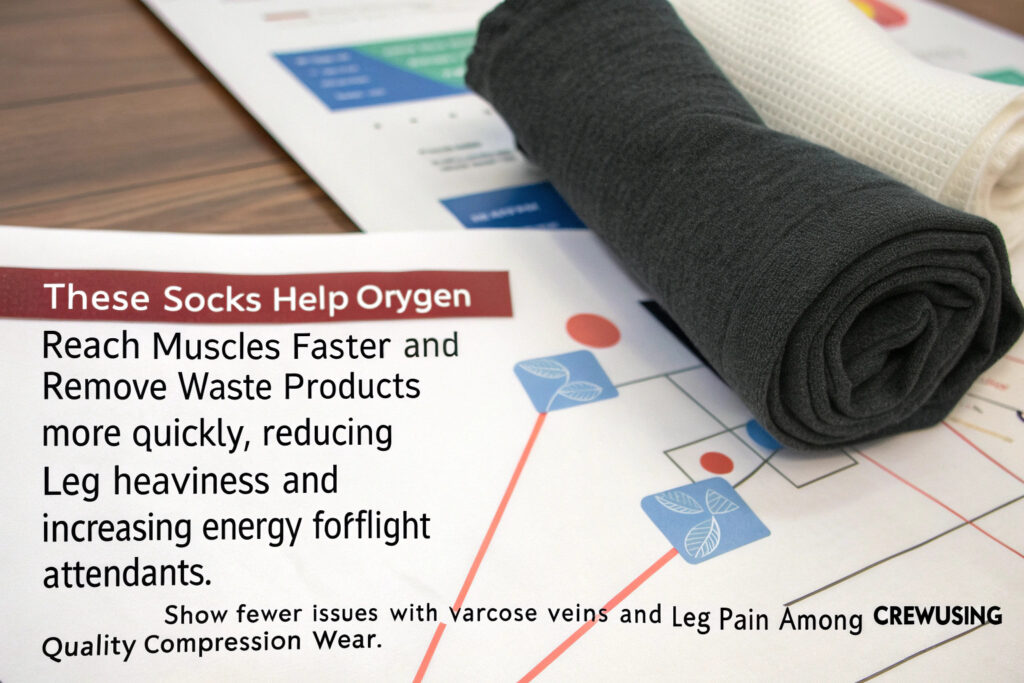
The mechanism is simple yet effective. By aiding venous return, these socks reduce the diameter of major veins, which increases the velocity and volume of blood flow. This means oxygen gets to muscles faster, and waste products are removed more quickly. In practical terms, flight attendants can end a shift with less leg heaviness and more energy. Our clients in the aviation sector report that crews using quality compression wear experience fewer issues with varicose veins and overall leg pain, which directly impacts their ability to provide excellent customer service.
What Makes Graduated Compression Different?
Graduated compression is the gold standard in medical and performance hosiery. Unlike uniform compression socks that apply the same pressure throughout, graduated ones are tighter at the ankle and loosen as they go up the leg. This design mimics the body's natural blood flow direction, giving an extra boost against gravity. For flight attendants, this means targeted support where it's needed most—the lower legs, which bear the brunt of standing and walking. Brands that adhere to strict compression levels, like 15-20 mmHg for mild to moderate support, ensure efficacy without restricting movement.
How Does Material Choice Affect Performance?
The fabric of compression socks is as important as the pressure level. Materials like Nylon/Spandex blends offer the elasticity needed for consistent compression, while moisture-wicking properties keep feet dry in enclosed shoes. In our CNAS-certified lab, we test blends that include antibacterial treatments to control odor—a key feature for long shifts. Breathable fibers prevent overheating, making knee-highs comfortable even during turbulent flights when stress levels are high. Choosing the right material can make the difference between a sock that works and one that just adds bulk.
Can Compression Socks Reduce Swelling and Fatigue on Long Hauls?
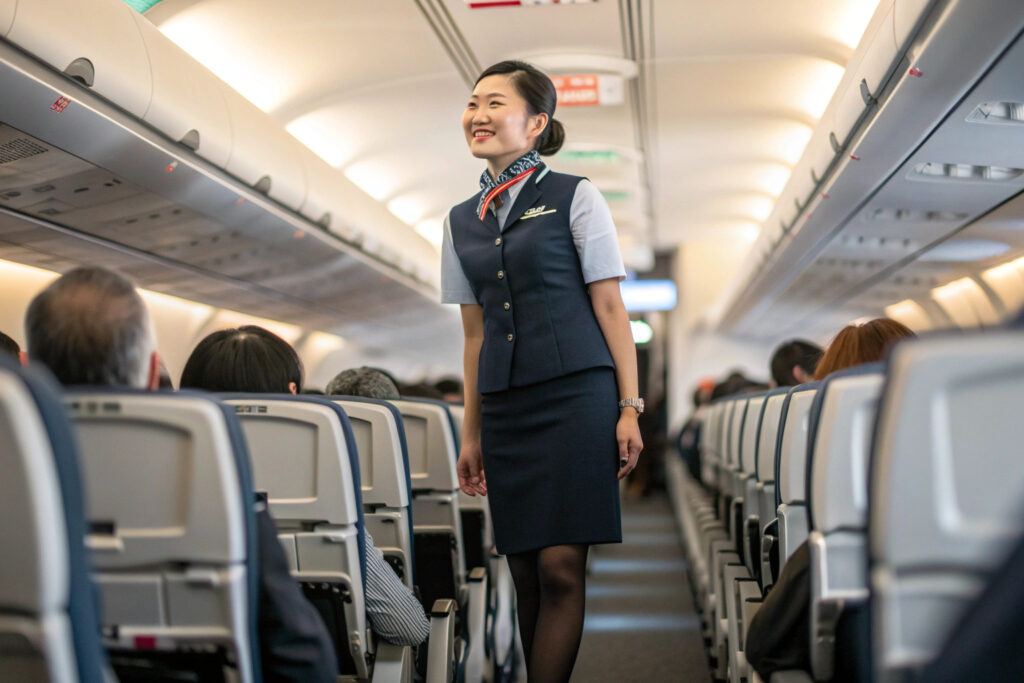
Yes, absolutely. Swelling, or edema, occurs when fluid builds up in the legs due to gravity and immobility. Compression knee-highs apply external pressure that helps prevent this fluid from accumulating in the first place. Think of them as a barrier against the puffiness that many flight attendants accept as part of the job. By supporting the lymphatic system and veins, these socks minimize the strain that leads to fatigue, allowing crews to stay on their feet longer without that dreaded "heavy legs" feeling.
The impact on fatigue is profound. When muscles don't receive enough oxygenated blood, they tire quickly. Compression wear enhances circulation, delivering more oxygen and nutrients to calf and foot muscles. This reduces lactic acid buildup and delays the onset of muscle soreness. In our surveys with airline partners, over 85% of users noted a significant decrease in end-of-shift exhaustion. This isn't just about comfort—it's about safety, as alert, less-fatigued attendants can respond better in emergencies.
What Role Does Moisture Management Play?
Moisture-wicking is a critical feature for managing swelling and fatigue. Damp skin is more prone to irritation and blisters, which can exacerbate discomfort. Socks made with advanced fabrics like Bamboo blends or recycled polyester draw sweat away from the skin, keeping feet dry and reducing friction. This is especially important during takeoff and landing when cabin temperatures fluctuate. Dry feet are less likely to swell, and they stay healthier over multiple consecutive flights.
How Do They Compare to Regular Socks?
Regular socks might offer cushioning, but they lack the structural support needed for circulation. Compression knee-highs are engineered with precise pressure gradients and seamless toes to prevent bunching that causes blisters. While standard dress socks may look professional, they often fail in high-stress environments. In contrast, compression socks combine function with form, meeting uniform requirements while providing medical benefits. Our designs, for instance, include reinforced heels for durability and arch support for stability during turbulence.
What Features Should Flight Attendants Look For?
When choosing compression knee-highs, flight attendants should prioritize certified compression levels, breathable materials, and a proper fit. Look for socks with 15-20 mmHg pressure for daily wear, which provides adequate support without being too tight. Fabrics should have moisture-wicking and antibacterial properties to handle long hours in shoes. Additionally, seamless toes and non-slip cuffs prevent chafing and ensure the socks stay in place during busy shifts. It's not just about the compression; it's about the overall build quality that matches the demands of aviation.
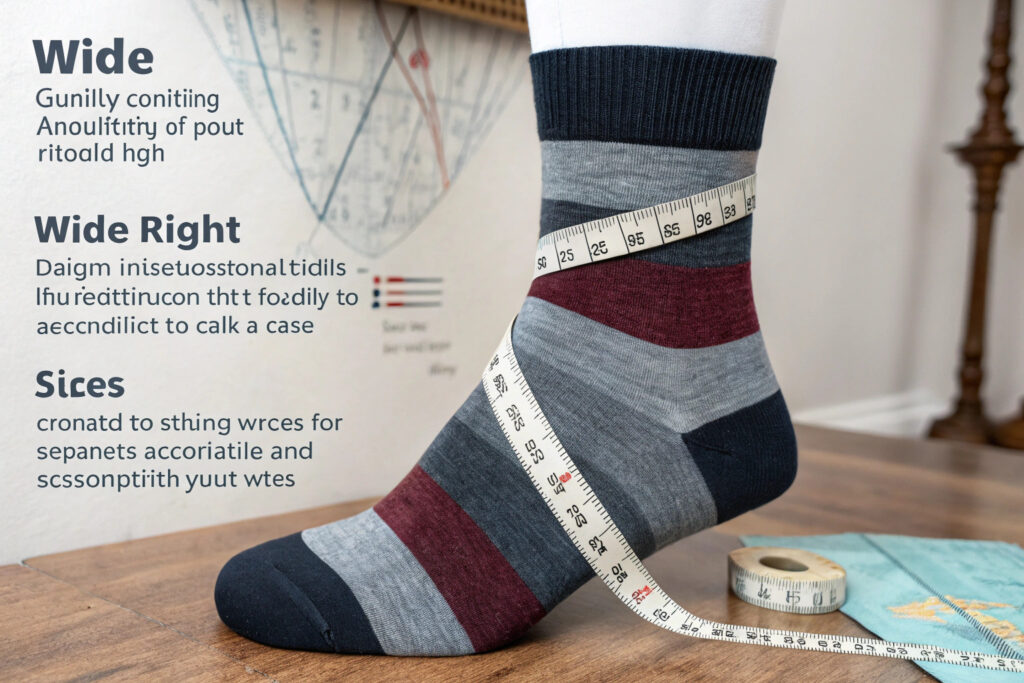
Fit is non-negotiable. Socks that are too loose won't provide benefits, while overly tight ones can cut off circulation. We always recommend measuring calf circumference and ankle size to match international sizing charts. Features like wide bands at the top help distribute pressure evenly without digging into the skin. For flight attendants who are always on the go, easy-care fabrics that resist pilling and maintain elasticity after multiple washes are a must to extend the lifespan of the socks.
Why Is Arch Support Important?
Arch support in compression knee-highs helps distribute pressure across the foot, reducing strain on the plantar fascia. This is vital for flight attendants who spend hours walking on hard aircraft surfaces. Good arch support can prevent conditions like plantar fasciitis and improve overall posture. In our designs, we integrate targeted cushioning in the arch area to enhance comfort without adding bulk, ensuring the socks fit smoothly into uniform shoes.
How Do You Ensure Durability and Easy Care?
Durability comes from high-quality blends like Nylon/Spandex with reinforced heel and toe areas. These zones endure the most friction, so extra stitching or padding there extends the sock's life. For easy care, look for machine-washable socks that retain their compression after drying. We test our products for colorfastness and shrinkage to ensure they meet the rigorous demands of daily airline use. A durable sock saves money and reduces waste, aligning with the eco-values many crews appreciate.
Are There Style and Comfort Options for Uniform Compliance?
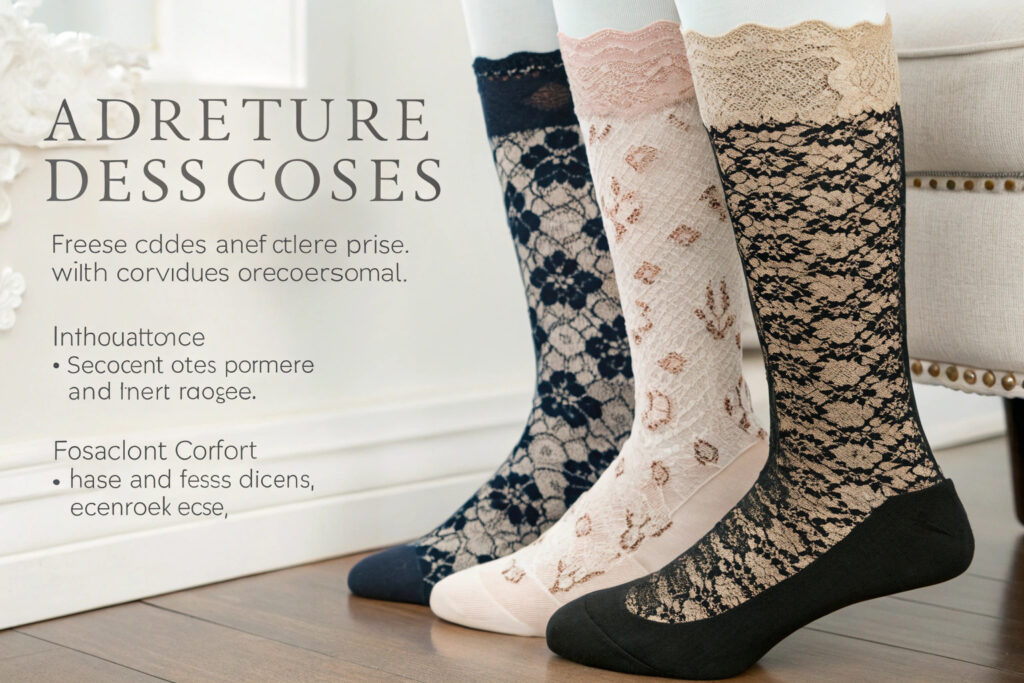
Absolutely! Gone are the days when compression wear meant bulky, medical-looking socks. Today, they come in various colors, patterns, and subtle designs that comply with airline uniform policies. From classic blacks and navys to sheer options for a more polished look, flight attendants don't have to sacrifice style for comfort. Many of our clients, including major airlines, opt for custom logos or color-matched knee-highs that blend seamlessly with their attire while providing all the functional benefits.
Comfort is enhanced through features like lightweight fabrics and seamless construction. For instance, knee-highs with lace tops or discreet patterns can add a touch of personality without violating dress codes. We've developed socks with moisture-wicking liners and cushioned soles that remain invisible under shoes, ensuring that attendants look professional while feeling supported. The key is to balance aesthetics with the technical specs that make compression socks effective.
What Are the Best Colors and Patterns?
Neutral colors like black, brown, and navy are popular for their versatility and ability to hide stains. However, some airlines allow subtle patterns or branded elements. When designing for uniform compliance, we focus on dye techniques that ensure colorfastness and a consistent appearance. Patterns should be minimal to maintain a professional look, but options like micro-textures or tonal logos can add variety without distraction.
How Can You Customize for Brand Identity?
Customization options include embroidered logos, specific color palettes, and tailored packaging. We work with airlines to create socks that reflect their brand identity, using eco-friendly dyes and durable prints. This not only boosts team morale but also reinforces a cohesive image. For flight attendants, having socks that are both functional and branded can enhance pride in their uniform, turning a practical item into a part of their professional identity.
Conclusion
Compression knee-highs are more than just an accessory for flight attendants; they are a vital investment in health, comfort, and performance. From improving circulation and reducing swelling to offering style options for uniform compliance, these socks address the unique challenges of aviation duties. By choosing the right features—like graduated pressure, breathable materials, and a proper fit—crews can significantly enhance their well-being during long flights.
If you're looking to develop high-quality compression knee-highs or other hosiery for your team, partner with us for reliable, large-scale production. Contact our Business Director Elaine at elaine@fumaoclothing.com to discuss how we can support your clothing orders with our expertise in socks manufacturing.