As a sock manufacturer with over a decade of experience, I’ve seen countless customers struggle with blisters. It’s a common pain point, especially for athletes and outdoor enthusiasts. Blisters can ruin a hike, a run, or even a long day on your feet. Many people try different shoes or bandages, but they often overlook the simplest solution: their socks.
Double-layer socks are specifically engineered to prevent blisters by addressing the root cause—friction. Unlike single-layer socks, they feature two independent layers of fabric that work together. The inner layer grips your skin, while the outer layer grips your shoe. This innovative design means that the friction occurs between the two sock layers, not between your skin and the sock, effectively eliminating the rubbing that causes painful blisters.
If you’re tired of dealing with blisters and want to understand why a simple change in your socks can make such a big difference, keep reading. We’re going to dive deep into the science and benefits of double-layer socks.
How Do Double-Layer Socks Reduce Friction?
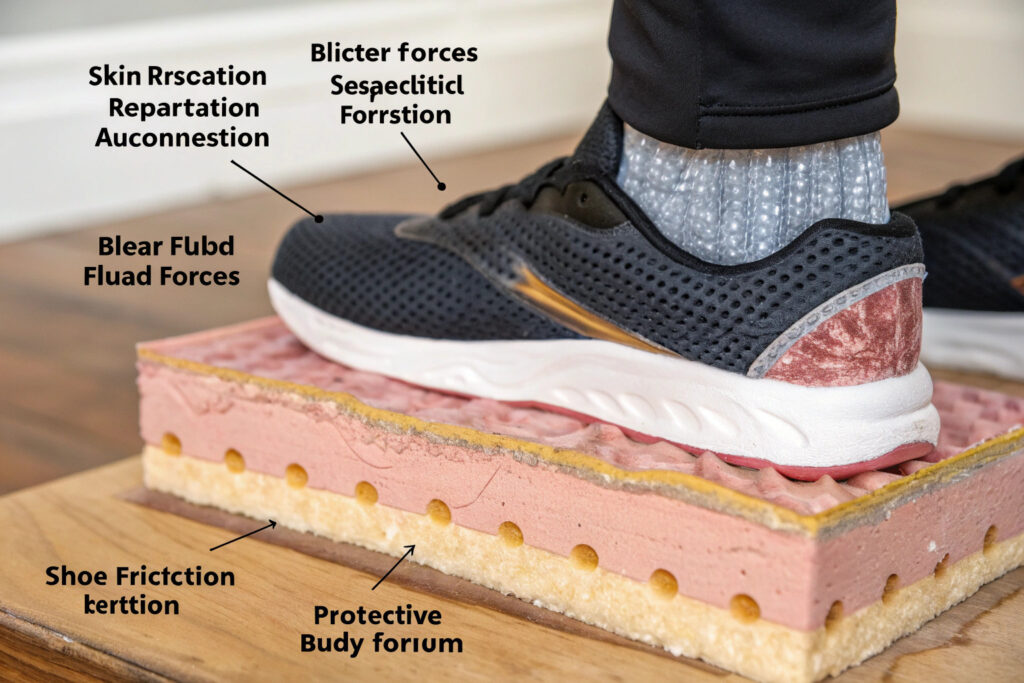
The primary mechanism behind blister formation is simple: friction. When your skin repeatedly rubs against your sock and shoe, the resulting shear forces separate the layers of your skin, filling the space with fluid. This is your body’s way of creating a protective cushion, but it’s also painful and disruptive.
Double-layer socks prevent blisters by fundamentally changing where friction happens. The inner layer, often made of a smooth, moisture-wicking material like Coolmax, moves with your foot. The outer layer moves with your shoe. The critical friction is transferred to the interface between these two layers, shielding your skin entirely from the damaging rubbing motion.
What is the Science Behind the Two-Layer Design?
The effectiveness of the two-layer system hinges on material science and biomechanics. The inner layer is designed for low friction against skin. We often use specialized moisture-wicking fabrics that pull sweat away from the foot, keeping it dry because damp skin is more prone to friction. The outer layer is typically a more durable material that can withstand abrasion from the shoe’s interior. By decoupling the foot from the shoe, the double-layer sock acts as a sacrificial interface.
How Does This Compare to Single-Layer Socks?
Single-layer socks, even thick, cushioned ones, cannot replicate this effect. In a single-layer sock, your foot, the sock, and the shoe are all connected. Any movement creates direct friction on the skin. While cushioning can help, it doesn’t eliminate the shear forces; it only dampens them. A double-layer sock provides a proactive solution, whereas a single-layer sock offers only a reactive one. For high-friction activities like long-distance running or hiking, the difference is not just noticeable; it’s game-changing.
What Materials Are Best for Double-Layer Socks?
Not all double-layer socks are created equal. The choice of material is crucial because it determines the sock’s performance in moisture management, comfort, and durability. A poor material choice can negate the friction-reducing benefits entirely.
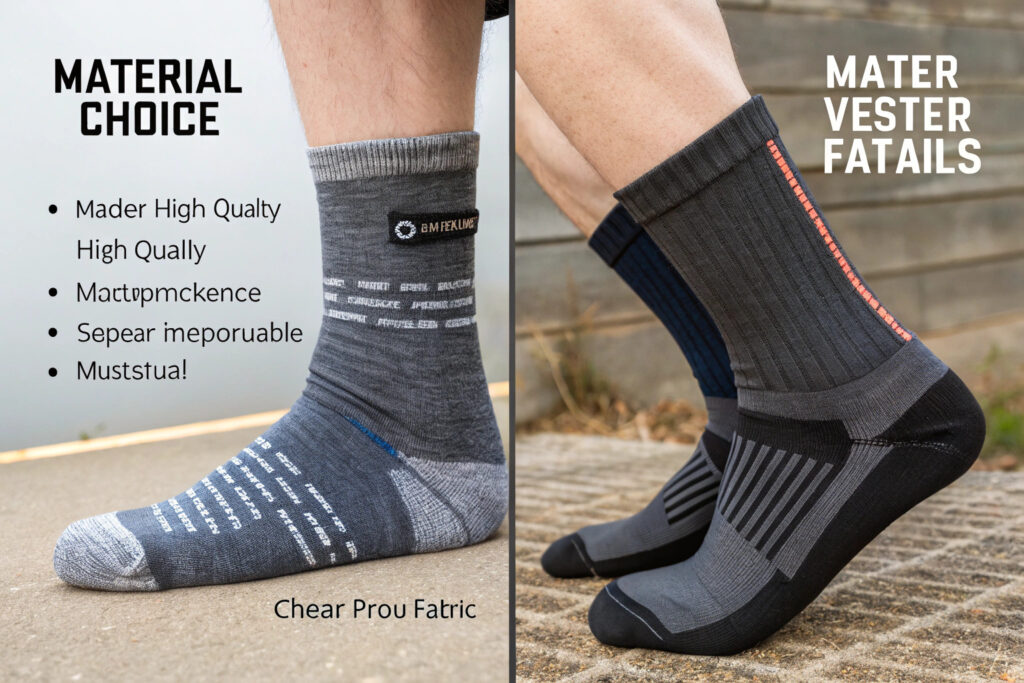
The best double-layer socks combine a hydrophobic (water-repelling) inner layer with a durable, abrasion-resistant outer layer. Common high-performance materials for the inner layer include synthetic blends like Coolmax polyester or nylon, which are excellent at moving moisture away from the skin. For the outer layer, materials like merino wool blends or reinforced synthetic fibers are ideal for their durability and cushioning properties.
Why are Synthetic Blends Like Polyester and Nylon Popular?
Synthetic fibers are the workhorses of performance socks. Polyester, especially in its Coolmax variant, is fantastic for the inner layer due to its inherent moisture-wicking capabilities. It doesn’t absorb water; instead, it transports sweat to the outer layer where it can evaporate. Nylon adds incredible strength and abrasion resistance, which is why it’s often used in the outer layer or blended throughout. This combination ensures the sock maintains its structural integrity.
What are the Benefits of Natural Fibers like Merino Wool?
Merino wool is a superstar in the outer layer of double-layer socks. Unlike traditional wool, it’s fine, soft, and not itchy. Its core benefit is its natural temperature regulation and odor resistance. Merino can absorb a significant amount of moisture vapor without feeling wet, helping to maintain a stable microclimate around your foot. It also possesses natural antimicrobial properties, which fight odor-causing bacteria. When used in the outer layer, merino wool provides superior cushioning and warmth.
Who Needs Double-Layer Socks the Most?
While anyone can benefit from the comfort of double-layer socks, certain groups will find them indispensable. These socks are not just a luxury; for many, they are essential gear that enables their passion or profession.
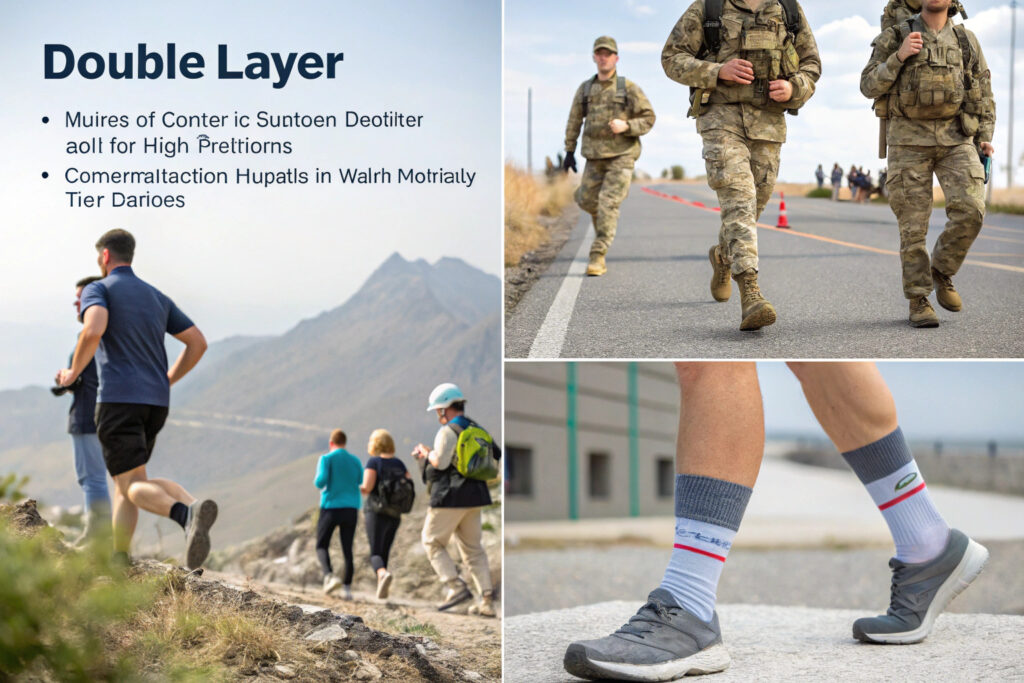
Double-layer socks are most critical for individuals engaged in high-friction, long-duration activities. This includes runners, hikers, military personnel, and workers who are on their feet all day, like nurses and construction workers. They are also highly recommended for people with sensitive skin or those who are prone to blisters, regardless of the activity level.
Are They a Game-Changer for Runners and Hikers?
Absolutely. Distance running and backpacking generate immense, repetitive friction. Every step creates a micro-slide inside your shoe. Over thousands of steps, this accumulates into a significant blister risk. Double-layer socks are a proven blister prevention solution for runners and hikers. They allow athletes to focus on their performance and endurance rather than on hot spots and foot pain. Many marathoners and ultrarunners consider them non-negotiable equipment.
What About for Everyday Use and Sensitive Feet?
You don’t need to be an elite athlete to appreciate double-layer socks. People with diabetes, who require meticulous diabetic foot care to prevent dangerous infections, can benefit greatly from the reduced friction. Similarly, if you have a job that requires long hours of standing or walking, these socks can drastically improve daily comfort and reduce foot fatigue. For anyone who has ever had to cut a walk short, switching to double-layer socks can feel like a revelation.
How to Choose the Right Double-Layer Sock?
Selecting the perfect double-layer sock involves more than just picking a size. To get the full blister-prevention benefit, you need to consider fit, construction, and features tailored to your specific activity.
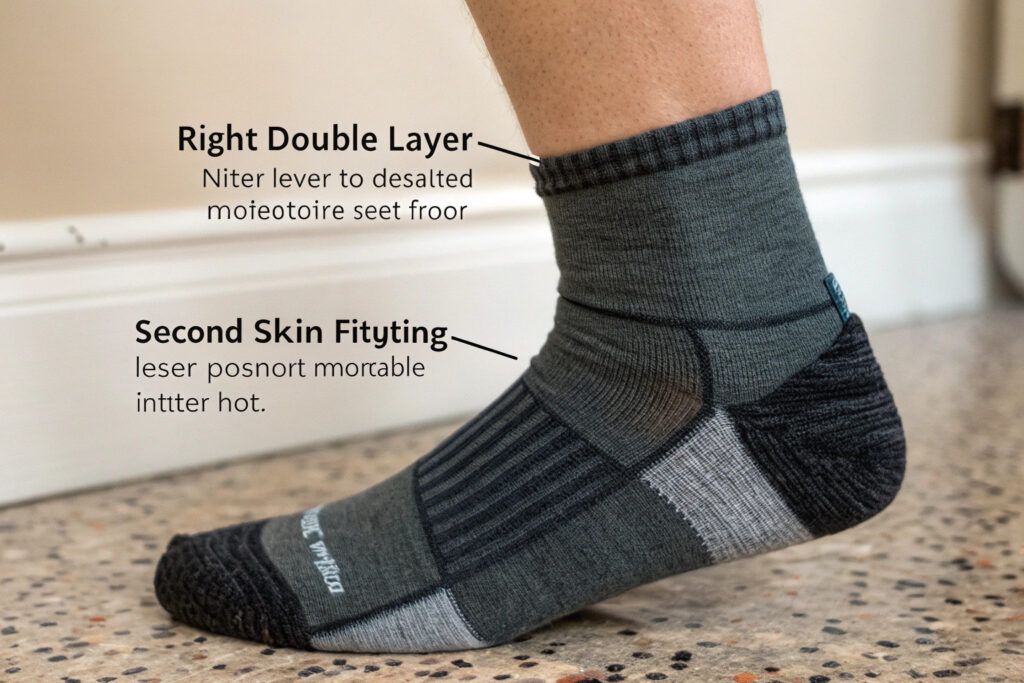
The right double-layer sock should fit like a second skin—snug but not tight. It must have seamless toe closure, especially in the inner layer, and be made from appropriate materials for your intended use, whether it’s moisture-wicking for sports or insulating for winter. A poor fit can create new pressure points, defeating the entire purpose.
What Should You Look for in Fit and Construction?
Fit is paramount. The sock should hug your foot without constricting it. If it’s too loose, it will wrinkle and create new friction points. If it’s too tight, it can restrict circulation. Pay close attention to the toe seam. The best double-layer socks have a seamless toe construction to eliminate a common source of irritation. Also, look for targeted cushioning in high-impact areas like the heel and ball of the foot.
How to Match the Sock to Your Activity?
Your activity dictates the ideal sock features. Use this simple guide:
| Activity | Recommended Features | Why? |
|---|---|---|
| Running & Athletics | Lightweight, maximum moisture-wicking, minimal cushioning. | Prioritizes breathability and lightweight feel to prevent overheating. |
| Hiking & Backpacking | Medium cushioning, durable outer layer, reinforced heel/toe. | Provides comfort under heavy loads and protection against trail debris. |
| Everyday Wear | Light cushioning, natural fiber blends, seamless design. | Focuses on all-day comfort and breathability for lower-intensity movement. |
For instance, the features of a good hiking sock like durability and cushioning are different from those of a running sock. By matching the sock’s properties to your activity, you ensure optimal performance.
Conclusion
Double-layer socks are more than just a piece of clothing; they are a scientifically-backed solution to a common and painful problem. By intelligently managing friction through a two-layer system, using advanced moisture-wicking materials, and offering a secure fit, they provide unparalleled blister prevention. Whether you are pushing your limits in sports or simply seeking everyday comfort, upgrading your socks is one of the most effective changes you can make for your foot health.
If you are a retailer, buyer, or brand looking for a reliable manufacturing partner to create high-quality, blister-preventing double-layer socks, we should talk. At GlobalSock, we specialize in developing and producing technical socks that meet the highest standards of performance and quality. Contact our Business Director Elaine to discuss how we can help you develop your next successful sock line. Reach out at elaine@fumaoclothing.com.