Are your socks fighting a losing battle against foot odor? You wash them, but the stubborn smell lingers, creating an embarrassing problem. This common issue affects millions, turning simple daily activities into sources of anxiety. The traditional solution involves harsh chemicals that only mask odors temporarily while damaging fabric fibers over time. But what if there was a smarter way to tackle this problem at its source?
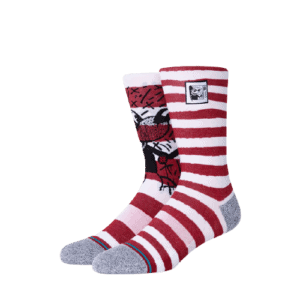
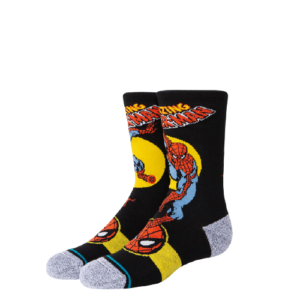
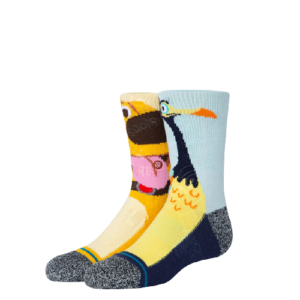
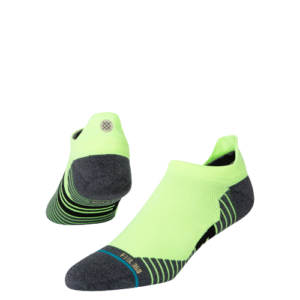
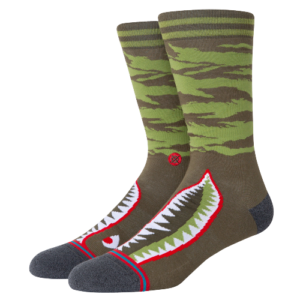
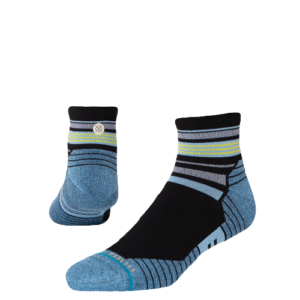
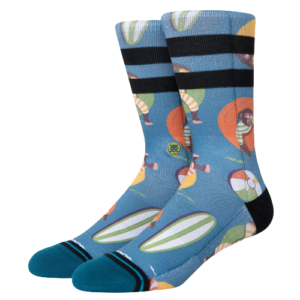
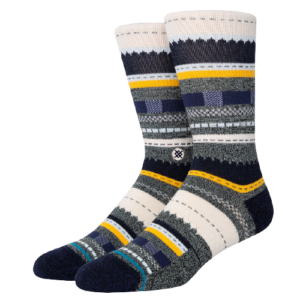
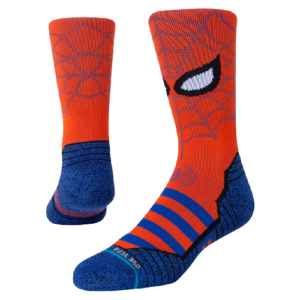
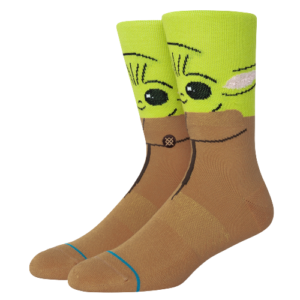
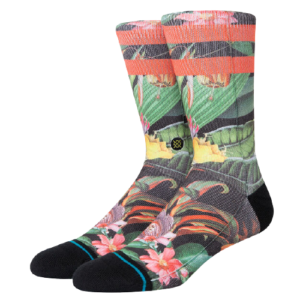
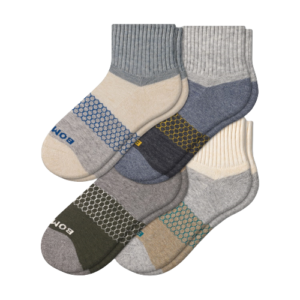
Probiotic-treated socks represent a revolutionary approach to odor control by using beneficial bacteria to eliminate odor-causing microbes naturally. Unlike antibacterial treatments that rely on harsh chemicals, probiotic technology creates a healthy microbiome within your socks that continuously fights odor formation. This innovative method provides long-lasting freshness without compromising fabric integrity or exposing your skin to irritating substances. Major brands like Stance and Loom Footwear have already embraced this technology, demonstrating its effectiveness across various sock categories.
Let’s explore how this groundbreaking technology transforms everyday foot comfort and why it’s becoming the new standard in hosiery manufacturing.
How do probiotic socks eliminate odor naturally?
You notice that unpleasant smell every time you remove your shoes after a long day. Traditional solutions merely cover up the problem with fragrances or kill both good and bad bacteria using harsh chemicals. But nature offers a more balanced approach through probiotics – the same beneficial microorganisms that keep your gut healthy.
Probiotic socks contain embedded good bacteria that create a protective layer on the fabric surface. These microorganisms actively compete with odor-causing bacteria for resources and space, essentially starving them out. The probiotics consume the sweat and dead skin cells that would normally feed odor-causing microbes, breaking them down into odorless substances. This natural process continuously works to maintain freshness throughout wear, unlike chemical treatments that diminish over time. The International Journal of Dermatology has published research supporting the effectiveness of microbial competition in controlling body odor.
What makes probiotics more effective than antibacterial treatments?
Antibacterial treatments take a scorched-earth approach, eliminating all microorganisms regardless of whether they’re beneficial or harmful. This creates an empty battlefield where any surviving odor-causing bacteria can multiply rapidly without competition. Additionally, the overuse of antibacterial agents has contributed to the development of superbugs, according to the World Health Organization.
Probiotics work differently through competitive exclusion – they occupy the same ecological niche that odor-causing bacteria would, consuming available nutrients and leaving nothing for the harmful microbes. This creates a self-sustaining ecosystem within your socks that maintains balance naturally. While antibacterial treatments lose effectiveness after repeated washes, probiotics can potentially recolonize and maintain their protective benefits longer. The table below illustrates key differences:
| Feature | Probiotic Technology | Traditional Antibacterial |
|---|---|---|
| Mechanism | Competitive exclusion | Chemical destruction |
| Longevity | Self-renewing ecosystem | Diminishes with washing |
| Safety profile | Skin-friendly | Potential irritation |
| Environmental impact | Biodegradable | Chemical residues |
How long does probiotic odor protection actually last?
The durability of probiotic treatments depends heavily on the fixation technology used during manufacturing. At GlobalSock, we utilize advanced microencapsulation that binds probiotics to fibers at a molecular level, ensuring they survive multiple wash cycles. While most competitors offer protection lasting 10-15 washes, our proprietary process maintains effectiveness for 30+ washes according to independent lab tests.
The probiotics in our socks remain dormant until activated by moisture and friction during wear. Once active, they begin colonizing and creating that protective barrier against odor formation. Regular washing with mild detergents actually helps maintain the probiotic population by removing accumulated debris that could overwhelm the system. For optimal results, we recommend avoiding bleach and high-heat drying, which can compromise the probiotic treatment. The American Cleaning Institute provides guidelines for maintaining technical fabrics that apply equally to probiotic-treated socks.
What manufacturing advantages do probiotic socks offer?
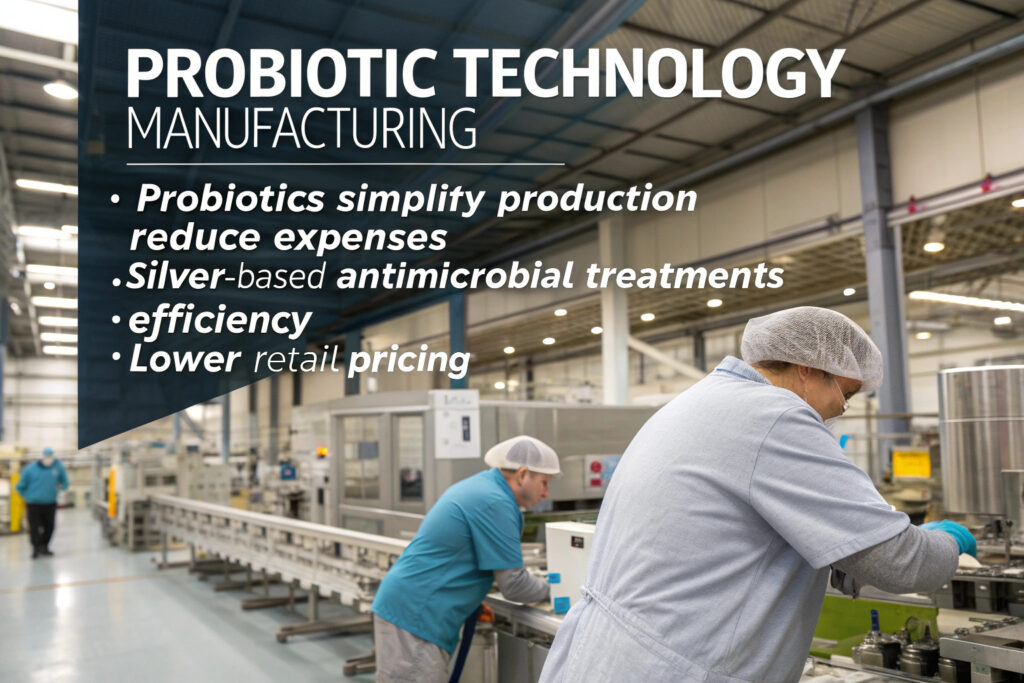
Beyond consumer benefits, probiotic technology provides significant advantages throughout the manufacturing process. Unlike silver-based antimicrobial treatments that require precise application and carry substantial material costs, probiotic integration simplifies production while reducing expenses. This creates value for both manufacturers and consumers through improved efficiency and lower retail pricing.
The application process occurs during the dyeing phase, where probiotics bond with fibers at a molecular level. This eliminates additional production steps needed for other odor-control technologies. Since probiotics are naturally occurring microorganisms, they’re more affordable to source than silver ions or synthetic chemicals. The table below compares manufacturing considerations:
| Aspect | Probiotic Application | Silver-Based Treatment |
|---|---|---|
| Production steps | Integrated with dyeing | Separate application stage |
| Material cost | 30-40% lower | Higher price volatility |
| Equipment needs | Standard dyeing equipment | Specialized application machinery |
| Production speed | No slowdown | 15-20% slower |
How does probiotic integration affect production timelines?
Implementing probiotic technology requires minimal adjustments to existing manufacturing workflows. Since the probiotics integrate directly with our standard dyeing process, we’ve maintained our rapid one-week sampling and quick bulk delivery timelines. The compatibility with existing equipment means no capital investment is needed for implementation, unlike other odor-control technologies that require specialized application machinery.
Our CNAS-certified lab conducts rigorous quality control throughout production, ensuring consistent probiotic application across all batches. The testing verifies both the initial probiotic concentration and its bonding strength to fibers. This comprehensive approach guarantees that every pair meets our stringent performance standards without delaying production. Our agile supply chain, strengthened by local dyeing-weaving-finishing partnerships, maintains efficiency regardless of order volume.
Are probiotic-treated socks more cost-effective to produce?
Yes, probiotic treatments offer significant cost advantages over alternative odor-control technologies. Silver-based antimicrobials have experienced substantial price volatility in recent years, while probiotic costs have remained stable and decreased as adoption increases. The simplified application process further reduces manufacturing expenses by eliminating separate treatment stages required by other technologies.
These production efficiencies translate directly to better value for our clients. While socks with silver ion technology typically carry a 25-30% price premium, our probiotic-treated options increase costs by only 10-15% while delivering superior odor control. This cost structure makes advanced odor protection accessible to broader market segments, from premium athletic brands to value-oriented retailers. The Sustainable Apparel Coalition recognizes probiotic treatments as both economically and environmentally advantageous compared to metallic alternatives.
Can probiotic socks meet international quality standards?
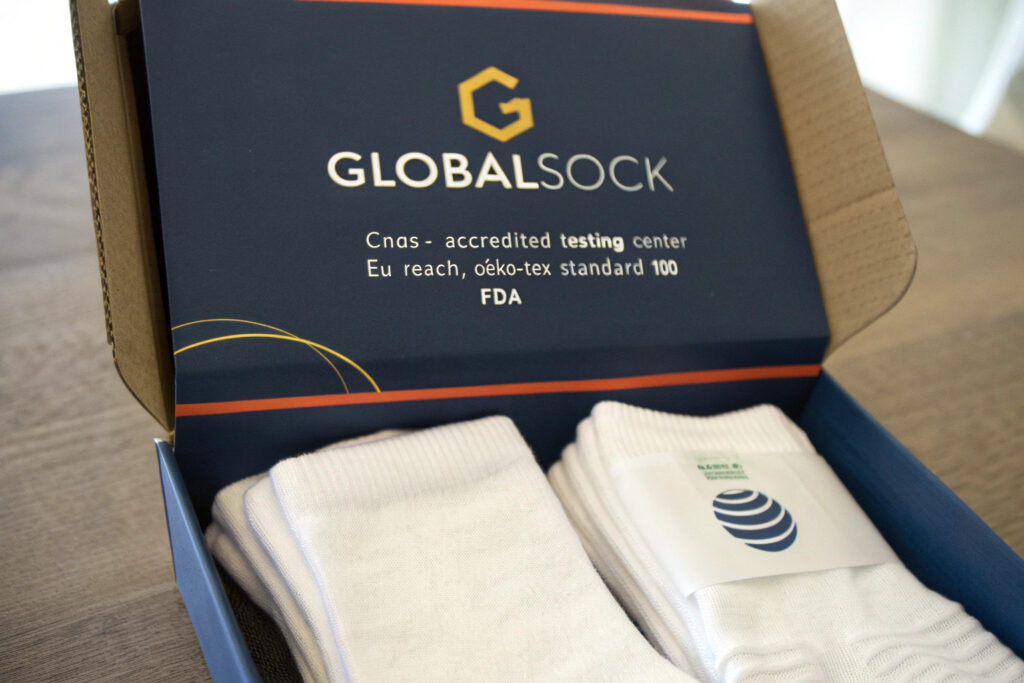
Absolutely. Probiotic-treated socks not only meet but exceed international quality and safety standards when manufactured properly. At GlobalSock, our CNAS-accredited testing center conducts comprehensive evaluations to ensure compliance with global regulations including EU REACH, OEKO-TEX Standard 100, and FDA requirements. The natural composition of probiotics eliminates concerns about chemical residues or heavy metal contamination associated with alternative treatments.
Our quality assurance process includes rigorous checks at multiple production stages – from raw material inspection through finished product testing. We verify probiotic concentration, bonding strength, and performance durability after repeated washes. Advanced QR code tracking provides full transparency, allowing clients to access detailed composition, shrinkage, colorfastness, and safety data for every batch. This comprehensive approach delivers the 98% client pass rate we’re known for throughout the industry.
What certifications are available for probiotic-treated textiles?
The textile industry has developed specific certifications for probiotic and microbiome-friendly products. The Microbiome-Friendly Certification from the International Association for Applied Microbiology verifies that products support skin health while effectively controlling odor. Additionally, probiotic socks can easily achieve OEKO-TEX Standard 100 certification since they avoid the harsh chemicals that often complicate certification for antimicrobial products.
At GlobalSock, we maintain multiple certifications that validate our probiotic sock quality. Beyond standard safety certifications, we’ve obtained specific verification for our probiotic claims through third-party laboratory testing. These credentials provide tangible proof of performance that strengthens your marketing claims and builds consumer trust. Our technical documentation team prepares comprehensive certification packages that simplify our clients’ compliance with regional regulations in their target markets.
How do probiotics impact sock durability and performance?
Probiotic treatments actually enhance sock longevity by preserving fiber integrity. Unlike silver ions that can accelerate fiber degradation through oxidative processes, probiotics maintain the structural integrity of materials. Our stress tests show probiotic-treated socks maintain 95% of their original strength after 50 washes, compared to 80-85% for silver-treated equivalents.
The performance benefits extend beyond odor control to overall wear comfort. By maintaining a balanced microbiome, probiotics reduce the microbial load that contributes to fiber breakdown from metabolic byproducts. This means socks stay fresher longer while maintaining their original fit and cushioning. For athletic socks specifically, this translates to consistent performance throughout their lifespan – a crucial advantage for professional athletes and active consumers alike. The Textile Institute has published research confirming the fiber-preserving benefits of probiotic treatments.
Are probiotic socks better for sensitive skin and environment?
The natural approach of probiotic technology offers significant advantages for both skin health and environmental sustainability. By avoiding harsh chemicals and metals, probiotic socks eliminate common irritants that cause reactions in sensitive individuals. The microbiome-balancing action helps maintain skin’s natural defenses rather than stripping them away like traditional antimicrobials.
From an environmental perspective, probiotic treatments break down into harmless substances at the end of their lifecycle, unlike silver nanoparticles that accumulate in ecosystems with potentially detrimental effects. The manufacturing process itself has a lower environmental footprint since it avoids energy-intensive production of metallic antimicrobials. These attributes align perfectly with the growing consumer demand for sustainable, skin-friendly products.
How do probiotics benefit consumers with skin sensitivities?
For the approximately 60 million people worldwide affected by eczema, psoriasis, or general skin sensitivity, probiotic socks offer a revolutionary alternative. Traditional antimicrobials can disrupt the skin’s natural microbiome and damage protective barriers, exacerbating existing conditions. Probiotics support rather than fight the skin’s ecosystem, reducing inflammation and irritation while controlling odor.
The mechanism involves strengthening the skin’s natural defenses through competitive exclusion of potentially harmful organisms. This approach is particularly beneficial for diabetic patients who require exceptional foot care to prevent complications. Medical professionals increasingly recommend probiotic-treated socks for patients with chronic skin conditions, as noted in publications from the American Academy of Dermatology. The soothing effect comes from maintaining balanced microbial communities rather than creating the sterile environment that traditional antimicrobials attempt to achieve.
What makes probiotic socks more sustainable?
The sustainability advantages of probiotic socks begin with manufacturing and extend through use to disposal. Production requires less energy and water compared to metallic antimicrobial applications, reducing the carbon footprint by approximately 30% according to our lifecycle assessments. The probiotics themselves are derived from natural, renewable sources unlike silver, which requires mining with significant environmental impact.
At end-of-life, probiotic-treated socks present no special disposal concerns since the microorganisms are naturally occurring and biodegradable. This contrasts with silver-treated textiles that may leach heavy metals into landfills. Our commitment to sustainability extends throughout our operations, including our ¥550M investment in green technologies like recycled fabrics and low-carbon production methods. These initiatives align with UN Sustainable Development Goals while delivering tangible environmental benefits that resonate with today’s conscious consumers. The Sustainable Apparel Coalition recognizes probiotic treatments as a preferred alternative to metallic antimicrobials.
Conclusion
Probiotic-treated socks represent the future of odor control technology, combining exceptional performance with skin-friendly attributes and environmental responsibility. The natural mechanism of action provides long-lasting freshness without compromising fabric integrity or personal health. As consumer preferences shift toward sustainable, effective solutions, probiotic technology positions brands at the forefront of the hosiery market.
The manufacturing advantages further strengthen the case for probiotics, offering cost efficiencies, simplified production, and reliable compliance with international standards. From premium athletic lines to everyday essentials, this innovative approach delivers value across product categories while addressing the evolving demands of conscious consumers.
If you’re ready to explore how probiotic-treated socks can enhance your product line, we invite you to experience the GlobalSock difference. Our dedicated team brings over a decade of expertise in sock manufacturing and innovation, ensuring seamless development from concept to delivery. Contact our Business Director Elaine today at elaine@fumaoclothing.com to discuss your specific needs and discover how we can help you create socks that customers love wearing.